
How to Plan Your Skin Care Timeline Between Microneedling in Cambridge and Mole Removal

Planning Your Skin Care Journey
Achieving radiant, healthy skin often requires a combination of different cosmetic treatments. If you are considering skin rejuvenation alongside minor surgical procedures, timing is everything. Scheduling treatments like microneedling in Cambridge requires careful planning, especially if you also need a mole removed. Combining these procedures can deliver outstanding aesthetic results, but rushing the process can compromise your skin’s healing ability. To get the best out of both treatments, you must establish a structured schedule that prioritises tissue recovery. This guide outlines how to safely coordinate your clinical appointments and structure your daily skincare routine to ensure your skin heals beautifully and remains completely undamaged.
Understanding Microneedling and Skin Regeneration
How the Treatment Works
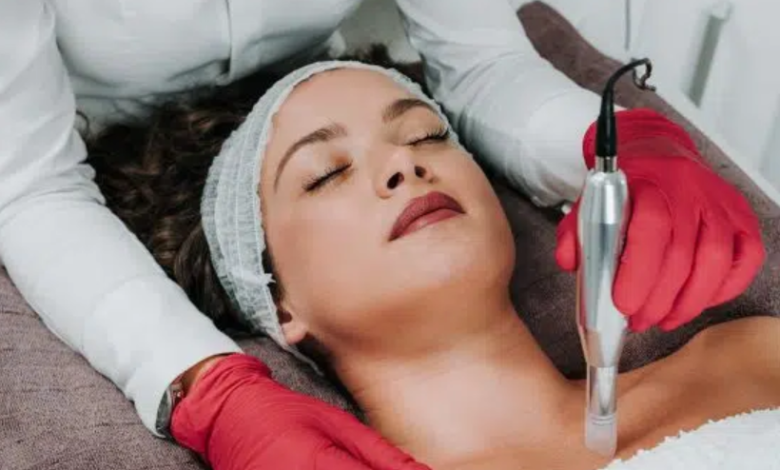
Microneedling is a minimally invasive procedure that uses tiny, sterile needles to create micro-injuries in the skin. This process triggers the body’s natural wound-healing response, stimulating collagen and elastin production. When you book a session for microneedling in Cambridge, the primary goal is to address concerns like fine lines, acne scarring, and uneven skin texture.
The Healing Phases
Immediately after the procedure, your skin will look and feel like it has a mild sunburn. This initial redness and swelling typically subside within 24 to 48 hours. However, the deeper dermal layers continue to rebuild for several weeks. During this critical regenerative phase, the skin barrier is temporarily compromised, making it highly sensitive to environmental factors and active skincare ingredients. You must avoid harsh chemicals, direct sunlight, and abrasive scrubs for at least one week. Because the skin is actively repairing itself, introducing another disruptive treatment too quickly can lead to hyperpigmentation or scarring. Allowing the skin to fully complete its initial healing cycle ensures that subsequent treatments do not interfere with the collagen-building process. Giving your face a clear two-week window to recover before any other physical interventions is the safest approach to protect your skin barrier.
The Mechanics of Mole Removal and Wound Healing
Surgical and Non-Surgical Options
Mole removal is a common minor dermatological procedure, often performed using surgical excision, shave excision, or laser therapy. Unlike microneedling, which treats the skin surface globally, mole removal is a targeted, deeper intervention that creates a localised wound. The method your practitioner uses will directly influence the depth of the wound and the overall recovery duration.
Essential Recovery Protocols
Proper mole removal aftercare is vital to prevent infection and minimise scarring. Immediately after the procedure, the treated area must be kept clean, dry, and covered with a sterile dressing or ointment as directed by your clinician. The initial closure of the skin takes about one to two weeks, during which a scab forms and eventually falls off. However, the remodelling of the scar tissue beneath the surface continues for several months. Neglecting your mole removal aftercare can lead to raised scars, dark marks, or prolonged redness. You must avoid pulling at scabs, apply prescribed healing balms, and protect the fresh tissue from ultraviolet radiation. Because this area is highly vulnerable, you cannot perform aggressive skin therapies over the healing scar until the tissue has fully matured and regained its structural strength.
Structuring Your Treatment Timeline
Spacing Your Appointments
To achieve the best results, you must space your appointments logically. Medical professionals generally recommend waiting at least four to six weeks between mole removal and microneedling in Cambridge if the treatments occur on the same area of the face or body. This gap allows the localised excision wound to heal thoroughly before subjecting the surrounding skin to micro-needles.
Prioritising the Procedures
In most cases, it is best to have the mole removed first. Once the dermatologist confirms that the excision site has healed, you can proceed with your overall skin rejuvenation plans. If you perform microneedling first, the increased blood circulation and localised inflammation might complicate the precision needed for a clean mole excision. During the waiting period, your primary focus should remain on diligent mole removal aftercare to ensure the scar flattens and fades. If you must have microneedling first, ensure there is a minimum two-week gap before the mole removal, and instruct your practitioner to completely avoid the area immediately surrounding the mole. This careful zoning prevents unnecessary irritation and ensures both treatments achieve their specific aesthetic goals without interfering with each other’s recovery pathways.
Managing Your Daily Skincare Routine
Gentle Cleansing and Hydration
When managing the weeks between these two procedures, your daily skincare routine must shift from active correction to gentle support. Swap out aggressive exfoliants, retinoids, and high-strength vitamin C serums for soothing, hydrating alternatives. Use a soap-free, non-foaming cleanser to wash your face twice daily, taking care not to rub the healing mole excision site.
Barrier Repair and Sun Protection
Incorporate products containing hyaluronic acid, ceramides, and centella asiatica to support the skin barrier. These ingredients accelerate tissue repair and maintain optimal hydration levels. Sun protection is the most critical component of this transitional routine. Apply a broad-spectrum sunscreen with an SPF of 50 every morning, even on cloudy days. Freshly needled skin and healing scars are exceptionally prone to post-inflammatory hyperpigmentation when exposed to UV rays. If you are recovering from a mole excision, apply a physical block like zinc oxide directly over the scar. Keeping the skin calm, hydrated, and shielded from the sun ensures that your skin remains in peak condition, ready for your next scheduled clinical treatment. Avoid using makeup on the treated areas for at least three days post-treatment to prevent clogged pores and bacterial infections.
Conclusion
Coordinating microneedling in Cambridge with a mole removal procedure requires patience, clear communication with your practitioners, and a structured healing timeline. By allowing your skin sufficient time to recover between treatments, you protect your skin barrier and enhance the final aesthetic outcomes. Prioritising diligent mole removal aftercare ensures that targeted wounds heal with minimal scarring, while spaced microneedling sessions safely boost overall collagen production. Always consult with qualified professionals to tailor these timelines to your specific skin type and healing rate. With a disciplined approach to post-treatment care and sun protection, you can safely achieve a smoother, clearer, and healthier complexion.
