

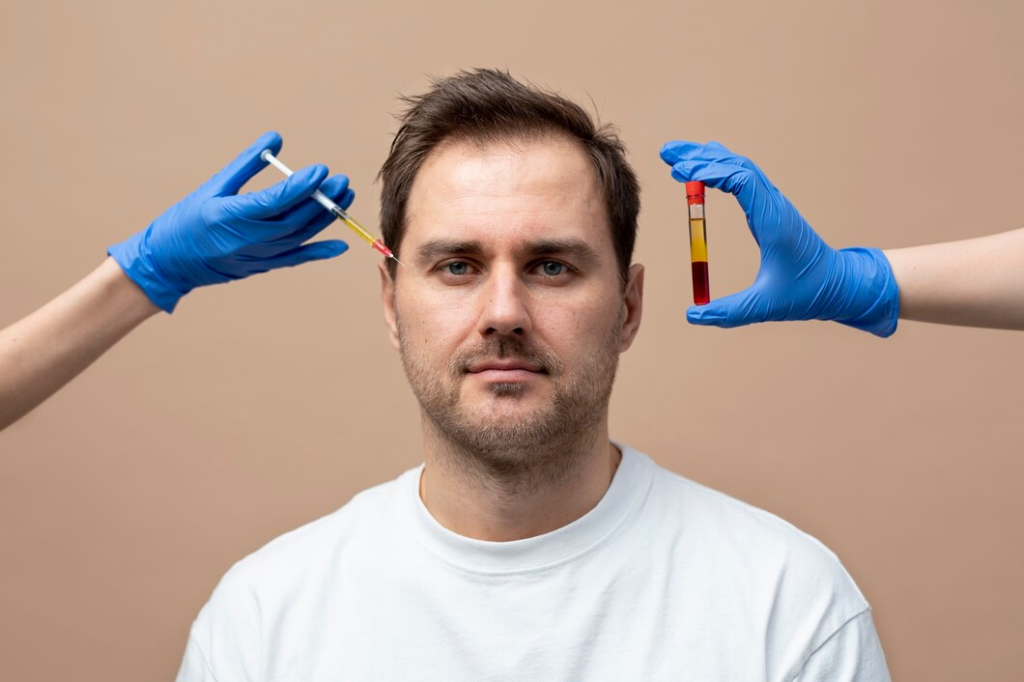
Hair restoration journeys often combine multiple advanced techniques to achieve the most natural, dense appearance. If you are experiencing thinning hair, opting for professional PRP treatment for hairloss in Bournemouth offers a scientifically proven way to stimulate natural follicle growth. At the same time, many people pair this therapy with scalp micro-pigmentation to create an immediate illusion of density. While both procedures yield outstanding results, their success relies heavily on how you treat your scalp during the recovery phase. Proper aftercare ensures that your investment pays off, protects your sensitive skin, and maximises the longevity of both treatments. Let us look at how to manage your scalp recovery step by step.
Immediate Aftercare for PRP Therapy
Platelet-Rich Plasma therapy involves drawing your own blood, processing it to concentrate the growth factors, and injecting it directly into the scalp. Because this process involves micro-injections, your scalp will feel tender, tight, and slightly inflamed immediately afterwards. To ensure the platelets settle effectively, you must avoid washing your hair for at least twenty-four hours post-treatment. This restriction allows the injection sites to close naturally, reducing the risk of infection.
During the first forty-eight hours, stay away from intense physical activities that cause heavy sweating. Sweat contains bacteria that can easily irritate the healing pores. Additionally, avoid applying any styling products, harsh chemicals, or hair dyes for at least a week. When you wash your hair for the first time, use a mild, sulphate-free shampoo and lukewarm water. Gently pat the scalp dry with a clean towel instead of rubbing it vigorously. Skipping blood-thinning medications, alcohol, and anti-inflammatory drugs like ibuprofen is also crucial, as these can interfere with the natural inflammatory process required for PRP to work. Protecting your head from direct sunlight by wearing a loose, clean hat when outdoors will shield the vulnerable skin from UV damage.
Essential Aftercare for Scalp Micro-pigmentation (SMP)
Scalp micro-pigmentation is a highly detailed tattooing process that mimics natural hair follicles. If you have recently undergone SMP treatment in Bournemouth, protecting the freshly deposited pigment is your primary goal. For the first four days after your session, keep your scalp completely dry. This means avoiding showers, heavy workouts, rain, and excessive sweating, as moisture can cause the pigment to fade, blur, or wash out before it cures.
Around day five, you can gently rinse your head with cool water and a mild, fragrance-free cleanser, but do not scrub the skin. You will notice light scabbing or peeling; it is vital that you do not pick, scratch, or peel these flakes, as doing so will pull the pigment out of the skin, leaving uneven patches. Moisturising is key from day five onwards. Apply a thin layer of a recommended, non-comedogenic moisturiser twice daily to keep the skin hydrated and prevent excessive flaking. Furthermore, avoid swimming pools, saunas, and steam rooms for at least twenty-one days, because chlorine and intense humidity will degrade the pigment. Always wear a high-SPF sunscreen once the initial healing phase ends to prevent UV rays from fading the delicate ink.
Combining Both Treatments Safely
Many clinics recommend combining micro-pigmentation with platelet therapy to tackle thinning hair from multiple angles. However, scheduling these procedures requires careful planning to prevent one treatment from disrupting the other. If you are undergoing PRP treatment for hairloss in Bournemouth alongside your pigmentation sessions, timing is everything. You should never schedule a PRP session immediately after an SMP treatment, as the needle injections can disperse the fresh pigment particles, causing them to blur under the skin.
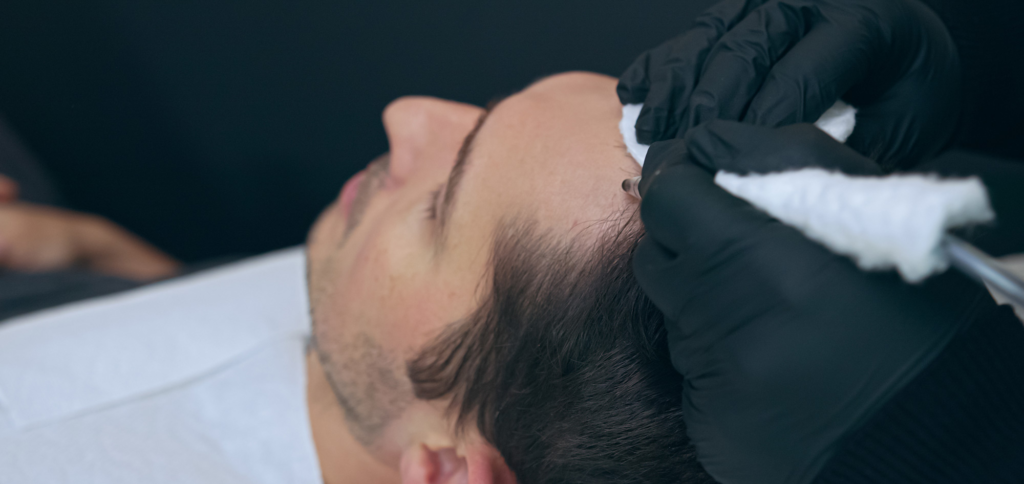
Ideally, you should wait at least four to six weeks after your final pigmentation session before resuming platelet injections. This gap gives the skin pigment ample time to settle permanently into the dermal layer. Conversely, if you receive platelet therapy first, you should wait at least two weeks before starting your SMP treatment in Bournemouth. This delay ensures that any swelling, bruising, or localised inflammation from the injections has fully resolved, providing a smooth, stable canvas for the technician. Always consult with your practitioners to design a coordinated treatment schedule that prioritises skin health and optimises the visual outcome of both procedures. Following a structured timeline prevents complications and ensures that the growth factors from the plasma do not interfere with the settling of the micro-pigmentation ink.
Long-Term Scalp Maintenance and Lifestyle Habits
Achieving great results from your hair restoration procedures requires ongoing care that extends far beyond the initial healing weeks. Maintaining a healthy scalp environment is essential for sustaining the benefits of your therapies. To support the active follicles stimulated by your PRP treatment for hairloss in Bournemouth, focus on a nutrient-rich diet packed with vitamins A, C, E, iron, and zinc. These nutrients supply the building blocks needed for robust hair growth.
Hydration is equally important. Drinking plenty of water keeps your scalp skin elastic and healthy, which directly benefits the appearance of your SMP treatment in Bournemouth. Dry, flaky skin can dull the appearance of the pigment, making it look unnatural. Limit your exposure to chlorinated water and harsh chemical treatments, such as strong dyes or bleaches, which can irritate the hair follicles and cause the pigment to fade prematurely. When spending time outdoors, make a habit of wearing a clean cap or applying a broad-spectrum sunscreen designed specifically for the scalp. This simple habit protects your skin from sun damage, preserves the crispness of the pigment, and fosters an optimal environment for natural hair growth to thrive over the coming years.
Conclusion
Managing the recovery process after hair restoration treatments requires patience, discipline, and a commitment to proper hygiene. Whether you are stimulating natural hair growth or enhancing density with scalp micro-pigmentation, the way you care for your scalp in the days and weeks following your procedures dictates your final results. By strictly adhering to the recommended washing, moisturising, and sun protection guidelines, you safeguard your investment and ensure a comfortable recovery. Co-ordinating the timing of your sessions and maintaining a healthy lifestyle will keep your scalp in peak condition. Ultimately, consistent aftercare turns these advanced cosmetic procedures into a long-lasting, confidence-boosting success.osmetic procedures into a long-lasting, confidence-boosting success.
