

Choosing to improve your vision is a significant step, and opting for lasik eye surgery in London is a life-changing decision for many people seeking freedom from glasses or contact lenses. While LASIK remains the most popular refractive procedure, it is not the only advanced option available. Many leading ophthalmic clinics also offer transepithelial photorefractive keratectomy, commonly known as TransPRK. Some patients are ideal candidates for the flap-based LASIK method, while others find that transPRK surgery in London suits their specific corneal structure or lifestyle better. Preparing properly for either procedure ensures a smooth surgical experience and an optimal visual outcome. Understanding how these two techniques differ helps you prepare mentally and physically for your upcoming transformation.
Understanding the Differences Between LASIK and TransPRK
To prepare effectively, you must first understand how each procedure alters your eye. LASIK involves a two-step process. First, the surgeon uses a femtosecond laser to create a thin, precise flap on the surface of your cornea. This flap is gently folded back, allowing an excimer laser to reshape the underlying corneal tissue before the flap is repositioned. Because the surface layer remains largely intact, healing is remarkably swift, and discomfort is minimal.
In contrast, TransPRK is an all-laser, surface-level procedure that does not require a corneal flap. Instead, a single excimer laser precisely removes the outer protective layer of the cornea, known as the epithelium, and reshapes the tissue beneath in one continuous step. Because no flap is created, TransPRK eliminates any risk of flap-related complications, making it an excellent choice for individuals with thinner corneas or those who participate in contact sports. However, because the epithelium must naturally regenerate after the procedure, the recovery phase is longer and requires a different preparation mindset. Knowing which technique your surgeon recommends allows you to tailor your preparation, especially regarding your post-operative schedule and recovery expectations.
The Essential Pre-Consultation Steps in London Clinics
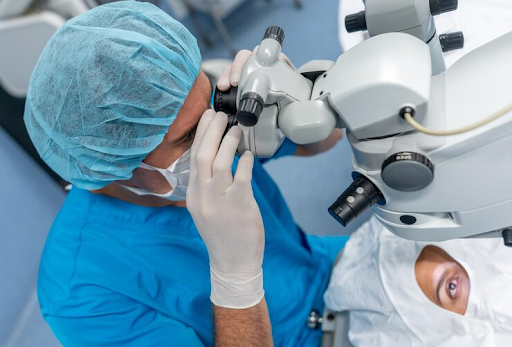
Your preparation journey begins long before you step into the operating room. When you prepare for lasik eye surgery in London, the first step is a comprehensive pre-operative consultation. During this assessment, ophthalmic specialists perform advanced diagnostic scans to map your unique eye anatomy. These tests include corneal topography to measure corneal curvature, pachymetry to assess corneal thickness, and wavefront analysis to detect subtle optical imperfections.
The same rigorous screening applies if you are undergoing surface ablation. Specialist clinics offering transPRK surgery in London will measure your epithelial thickness and tear film stability to ensure your eyes are healthy enough for the procedure. You must be entirely honest during these consultations about your medical history, current medications, and lifestyle habits. For instance, conditions like dry eye syndrome or autoimmune disorders can influence which procedure is safer for you. Additionally, you must stop wearing contact lenses prior to this evaluation. Contact lenses temporarily alter the shape of your cornea, which can lead to inaccurate measurements. Your clinic will provide specific guidelines, but typically, soft lenses must be left out for at least one week, while hard or toric lenses may require up to four weeks of non-use before your scans.
Lifestyle Adjustments and Eye Care Before Your Procedure
In the days leading up to your laser eye surgery, making a few simple lifestyle adjustments can significantly reduce the risk of complications and anxiety. First, organise your transport home. You will not be allowed to drive immediately after either procedure, as your vision will be blurry and your eyes may be sensitive to light. Having a family member or friend accompany you is highly recommended, or you can organise a reliable taxi service.
On the day before and the day of your surgery, you must avoid using any cosmetics, creams, perfumes, or aftershaves. These products can release microscopic airborne particles or vapours that interfere with the sensitive laser equipment or increase the risk of infection. Wash your face thoroughly on the morning of the procedure to ensure the skin around your eyes is completely clean. It is also wise to wear comfortable, loose-fitting clothing. Choose a button-down shirt or a zip-up top rather than a pullover sweater, so you do not have to pull clothing over your head and risk rubbing your eyes after the procedure. Finally, ensure you get a good night’s sleep and eat a light meal before heading to the clinic, as this helps keep your nerves steady during the treatment.
What to Expect on the Day of Your Laser Eye Procedure
Knowing what happens inside the treatment room helps demystify the experience and reduces anxiety. When you arrive at the clinic, the clinical team will administer anaesthetic eye drops to completely numb your eyes, ensuring you feel no pain during the procedure. You might also be offered a mild sedative if you feel particularly anxious.
Once you are comfortable on the treatment bed, a small device called a speculum is gently placed to keep your eyelids open and prevent blinking. For LASIK, you will feel a brief sensation of pressure when the laser creates the corneal flap, and your vision may go dim for a few seconds. For TransPRK, there is no pressure sensation from flap creation, but you will hear the ticking sound of the laser and might notice a faint scent, which is simply the laser interacting with the corneal tissue. The surgeon will ask you to focus on a coloured fixation light throughout the process, which usually takes less than a minute per eye. The entire experience in the operating theatre rarely exceeds fifteen minutes. Immediately afterward, your surgeon will examine your eyes to ensure everything is positioned correctly before discharging you with a protective set of sunglasses and your recovery kit.
Recovery Timelines and Aftercare Protocols
The recovery process is where the preparation strategies for these two surgeries diverge significantly. Patients who opt for lasik eye surgery in London often return to work and normal activities within twenty-four to forty-eight hours, enjoying rapid visual improvement with minimal discomfort. The main task during this initial phase is applying prescribed anti-inflammatory and antibiotic eye drops precisely as directed, along with frequent preservative-free lubricating drops to combat temporary dryness.
Conversely, recovery after transPRK surgery in London requires a bit more patience and preparation. Because the epithelial layer needs time to grow back, the surgeon places a clear bandage contact lens over your eye at the end of the procedure. This lens remains in place for three to five days to protect the surface and ease discomfort. You may experience moderate discomfort, watering, and light sensitivity during the first few days, meaning you should plan to take a week off work and avoid screen time. Preparing your home with dim lighting, audiobooks, and pre-prepared meals is an excellent strategy for TransPRK recovery. Regardless of the procedure, you must avoid rubbing your eyes under any circumstances, wear protective eye shields while sleeping for the first week, and avoid swimming pools or heavy exercise until your surgeon gives you the clearance.
Conclusion
Preparing for laser vision correction is a straightforward process that relies on careful planning, honest communication with your surgeon, and strict adherence to pre-operative and post-operative guidelines. Whether you choose LASIK for its rapid recovery or TransPRK for its surface-based safety profile, choosing a reputable clinic in London ensures you receive world-class care tailored to your eyes. By organising your transport, taking a break from contact lenses, and preparing your home for the recovery phase, you set yourself up for a seamless journey toward clear vision. Take the time to discuss your lifestyle and visual goals with your ophthalmic surgeon to determine the best path forward for your eyes.
