Cornea And Eye Health: Complete Guide to Healthy Vision, Common Problems, and Eye Care Tips

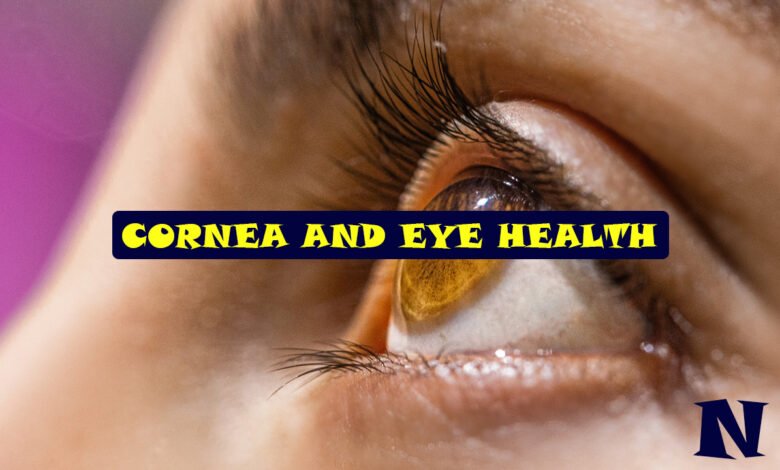
The cornea plays an important role in keeping your eyes healthy and your vision clear. It is the transparent front layer of the eye that allows light to enter and helps focus images. Understanding Cornea And Eye Health can help you recognize common eye problems, protect your vision, and develop healthy habits that support your eyes throughout life.
Many people experience eye dryness, irritation, blurred vision, or sensitivity to light without knowing what causes these symptoms. Some problems are temporary, while others need medical attention. This guide explains how the cornea works, common conditions that affect it, warning signs, treatment options, and practical ways to maintain healthy eyes.
What Is the Cornea and Why Is It Important for Eye Health?
The cornea is a clear, dome-shaped tissue covering the front of the eye. It sits over the iris and pupil, creating a protective barrier against dust, germs, and other harmful substances. Although it looks simple, the cornea has a highly organized structure that allows light to pass through with minimal scattering. Its transparency is essential for normal vision, and even small changes in its surface can affect how clearly a person sees.
One of the cornea’s most important jobs is bending light as it enters the eye. This process is called refraction. The cornea provides much of the eye’s focusing power, while the natural lens makes additional adjustments. When the cornea becomes damaged, swollen, or irregularly shaped, light may not focus correctly on the retina. This can lead to blurred or distorted vision, making corneal health an important part of overall eye care.
Understanding the Structure of the Cornea
The cornea contains several specialized layers that work together to maintain strength, transparency, and protection. The outermost layer, called the epithelium, acts as a barrier against germs and minor injuries. Beneath it is Bowman’s layer, which provides structural support. The stroma forms most of the cornea’s thickness and contains carefully arranged collagen fibers that help maintain its clear appearance.
Deeper inside are Descemet’s membrane and the endothelium. The endothelium helps control fluid levels within the cornea, preventing excess swelling that could interfere with vision. Some anatomical descriptions also recognize a thin pre-Descemet’s layer. Each part contributes to healthy vision, and damage to different layers can produce different symptoms. Understanding this structure helps explain why certain corneal diseases require specialized treatment.
How Cornea And Eye Health Affect Everyday Vision
Healthy corneas allow people to read, drive, work on computers, and recognize objects clearly. When the corneal surface is smooth and transparent, light enters the eye in an organized way. However, irritation, dryness, infection, or changes in corneal shape can disturb this process. Even minor surface problems may cause noticeable discomfort because the cornea contains many sensitive nerve endings that respond to touch and injury.
Corneal problems can also affect everyday comfort. A person with dry eyes may experience burning after long periods of screen use, while someone with corneal inflammation may find bright sunlight uncomfortable. These symptoms can interfere with concentration and daily activities. Maintaining healthy corneas supports both visual clarity and physical comfort, particularly for people who use digital devices frequently or wear contact lenses.
Common Corneal Diseases and Eye Problems
Several conditions can affect the cornea, ranging from mild irritation to serious diseases that threaten vision. Dry eye disease is a common problem that occurs when tears do not provide enough lubrication or protection. Corneal abrasions are scratches on the surface, often caused by fingernails, dust, or contact lenses. These injuries can be painful but many superficial scratches heal with appropriate care.
Other conditions include keratitis, corneal ulcers, corneal dystrophies, and keratoconus. Keratitis involves inflammation of the cornea and may result from infection or noninfectious causes. A corneal ulcer is an open sore that requires prompt medical attention. Keratoconus causes progressive thinning and changes in corneal shape, leading to distorted vision. Early diagnosis is important because treatment options and outcomes depend on the specific condition.
Signs and Symptoms of Poor Corneal Health
Corneal problems often produce symptoms that should not be ignored. Common warning signs include eye redness, pain, excessive tearing, blurred vision, and sensitivity to light. Some people describe a gritty feeling, as though sand or another object is trapped inside the eye. Others notice difficulty keeping the affected eye open or experience discomfort when blinking. Symptoms may appear suddenly after an injury or develop gradually.
Not every symptom indicates a serious condition, but severe pain, sudden vision changes, or significant light sensitivity require urgent medical evaluation. Contact lens wearers should be especially careful because infections can progress quickly. If redness or pain develops while wearing lenses, remove them and seek prompt professional advice. Avoid using leftover prescription eye drops or attempting to treat a suspected corneal infection without medical guidance.
Major Causes of Corneal Damage
Corneal damage can occur for several reasons, including physical injuries, infections, environmental exposure, and underlying medical conditions. Small particles, accidental scratches, and chemical splashes may injure the corneal surface. Contact lenses can also increase the risk of problems when worn incorrectly, cleaned with unsuitable solutions, or exposed to water. Sleeping in lenses that are not approved for overnight use can further increase infection risk.
Environmental conditions also influence corneal comfort. Dry air, wind, smoke, and prolonged screen use may worsen tear evaporation and irritation. Certain autoimmune diseases, eyelid disorders, and problems with tear production can affect the cornea over time. Some people develop corneal conditions because of inherited factors rather than lifestyle habits. Identifying the underlying cause helps eye care professionals recommend suitable treatment and prevention strategies.
How Dry Eyes Affect the Cornea
Tears are essential for keeping the corneal surface smooth, moist, and protected. Every time a person blinks, tears spread across the eye and help remove small particles. The tear film also supports clear vision by creating an even optical surface. When tear production decreases or tears evaporate too quickly, the cornea may become irritated and uncomfortable. This condition is commonly known as dry eye disease.
Dry eye symptoms include burning, stinging, fluctuating vision, and a feeling of dryness or grittiness. Some people experience watery eyes because irritation triggers reflex tearing. Treatment may include artificial tears, changes to the environment, eyelid care, or prescription medication when appropriate. Persistent symptoms should be evaluated because untreated severe dryness can sometimes damage the corneal surface and increase the risk of complications.
The Importance of Proper Contact Lens Care
Contact lenses provide convenient vision correction, but they require careful handling to protect the cornea. Poor lens hygiene can introduce bacteria and other microorganisms into the eye. Wearing lenses longer than recommended may also reduce oxygen availability and contribute to irritation. Contact lens-related infections can become serious, particularly when people continue wearing lenses despite pain, redness, or blurred vision.
Always wash and dry your hands before handling contact lenses. Use the cleaning and disinfecting solution recommended by your eye care professional, and replace lenses according to their prescribed schedule. Never rinse or store lenses in tap water. Avoid swimming or showering while wearing them unless your eye care professional has specifically advised appropriate precautions. Proper lens care helps reduce preventable infections and supports long-term corneal health.
How Doctors Diagnose Corneal Problems
Eye care professionals use several examination methods to assess the cornea. A slit-lamp examination allows the doctor to inspect the eye’s front structures under magnification. Special fluorescent dye may be applied to highlight scratches or damaged areas. These tests help identify inflammation, surface injuries, infections, and other abnormalities. A routine examination may also include checking vision and evaluating tear quality.
Additional tests may be necessary for specific conditions. Corneal topography creates a detailed map of the cornea’s curvature and can help detect keratoconus. Pachymetry measures corneal thickness, while specular microscopy evaluates endothelial cells. Doctors select tests according to symptoms, medical history, and examination findings. Accurate diagnosis matters because different corneal conditions can cause similar symptoms but require very different treatments.
Treatment Options for Corneal Diseases
Treatment for corneal problems depends on their cause and severity. Mild dryness may improve with lubricating eye drops and environmental changes. Certain bacterial infections require prescription antibiotic medication, while fungal or viral infections need different treatments. Corneal abrasions may heal naturally, but medical evaluation can help prevent infection and identify deeper injuries. Using the wrong medication can delay healing or worsen an existing condition.
More advanced problems sometimes require specialized procedures. Corneal cross-linking may be recommended to slow or stop the progression of keratoconus. Selected patients may benefit from specialty contact lenses or other vision correction methods. Severe corneal scarring or disease may require a corneal transplant. The best approach depends on examination results, overall eye health, and individual needs, so treatment decisions should be made with a qualified ophthalmologist.
Daily Habits That Support Cornea And Eye Health
Simple daily habits can help protect the cornea and maintain comfortable vision. Avoid rubbing your eyes aggressively, especially when they feel itchy or irritated. Eye rubbing can cause surface injuries and may contribute to problems in people susceptible to keratoconus. Washing your hands before touching your eyes also reduces the chance of transferring germs. Protective eyewear is useful during sports, construction work, gardening, and activities involving flying particles.
People who spend long hours looking at screens should blink regularly and take short visual breaks. The 20-20-20 rule suggests looking at something approximately 20 feet away for 20 seconds every 20 minutes. This can help reduce screen-related eye strain, although it is not a treatment for corneal disease. Keeping indoor air comfortable, avoiding direct airflow toward the eyes, and managing persistent dryness can also improve everyday eye comfort.
Nutrition and Its Role in Eye Health
A balanced diet supports overall eye health, although no single food can prevent every corneal condition. Vitamin A is especially important for maintaining healthy eye surfaces and normal vision. Severe vitamin A deficiency can damage the cornea and lead to serious vision problems. Foods such as carrots, sweet potatoes, leafy vegetables, eggs, and dairy products can provide vitamin A or compounds the body converts into it.
Other nutrients, including vitamin C, vitamin E, and omega-3 fatty acids, contribute to general health and may support aspects of eye function. However, supplements are not a proven substitute for treating corneal diseases. People should focus on varied meals rather than relying on high-dose vitamins without medical advice. Adequate hydration and appropriate management of underlying health conditions are also important for maintaining comfortable, healthy eyes.
Protecting Your Cornea From Sunlight and Environmental Damage
Sunlight contains ultraviolet radiation that can damage exposed eye tissues. Intense ultraviolet exposure may cause photokeratitis, a painful condition sometimes called snow blindness. It can occur after exposure to reflected sunlight from snow, water, or other bright surfaces. Wearing sunglasses that block 99% to 100% of UVA and UVB radiation helps protect the eyes during outdoor activities. Wide-brimmed hats can provide additional protection.
Environmental hazards require attention as well. Safety goggles can prevent many workplace and household eye injuries. Chemical splashes are particularly dangerous and require immediate rinsing with clean running water, followed by emergency medical care. Do not delay rinsing to search for medication or attempt to neutralize chemicals with other substances. Taking appropriate precautions helps reduce avoidable corneal injuries and supports long-term eye health.
Cornea And Eye Health in Children and Older Adults
Corneal health matters at every age, but risks and care needs can differ. Children may experience eye injuries during play or sports and might have difficulty explaining their symptoms. Parents and caregivers should watch for persistent redness, excessive blinking, light sensitivity, or unusual eye rubbing. Eye examinations can help identify vision problems early, especially when a child struggles with reading, school activities, or visual tasks.
Older adults may experience changes in tear production, eyelid function, and corneal cells. Certain medications and medical conditions can also contribute to dryness or surface irritation. Some corneal diseases become more common with age, including Fuchs endothelial dystrophy. Regular professional eye care helps monitor these changes. Treatment should be based on individual findings rather than assuming that persistent discomfort or worsening vision is a normal part of aging.
When Should You Visit an Eye Specialist?
An eye examination is recommended when symptoms persist, recur, or interfere with normal activities. Mild irritation may sometimes improve with simple measures, but ongoing redness, discomfort, or blurred vision deserves professional attention. People with existing corneal conditions should follow the examination schedule recommended by their ophthalmologist. Contact lens wearers should seek prompt evaluation if they develop pain, redness, or unusual sensitivity to light.
Certain situations require emergency care, including chemical injuries, penetrating eye injuries, sudden vision loss, or severe eye pain. A suspected corneal ulcer also needs urgent assessment because delayed treatment can lead to permanent scarring. Avoid pressing on an injured eye or trying to remove an embedded object. Seeking timely care can improve the chance of protecting vision and preventing long-term complications.
Interesting Facts About the Human Cornea
The cornea has several unusual characteristics that make it different from many other body tissues. A healthy cornea contains no blood vessels, which helps preserve its transparency. Instead, it receives oxygen mainly from the surrounding air through the tear film and obtains additional nutrients from nearby fluids. This specialized arrangement allows the cornea to remain clear while performing its protective and focusing functions.
The cornea is also one of the most sensitive tissues in the body because it contains numerous nerve endings. This explains why even a tiny scratch can cause considerable discomfort. Its outer surface can repair many minor injuries relatively quickly, although deeper damage may cause scarring. Another interesting feature is that corneal transplantation can restore vision in selected patients whose corneas have become cloudy or damaged.
Conclusion
Understanding Cornea And Eye Health is essential for protecting clear vision and preventing avoidable eye problems. The cornea performs important functions by protecting the eye and focusing incoming light. Conditions such as dryness, infection, injury, and keratoconus can affect its performance, but appropriate diagnosis and treatment can help manage many of these problems.
Good hygiene, careful contact lens use, protective eyewear, and regular eye examinations all contribute to healthier eyes. Pay attention to persistent symptoms and seek urgent care for severe pain, sudden vision changes, or injuries. Protecting the cornea through everyday habits and timely professional care can make a meaningful difference to long-term eye comfort and vision.
Frequently Asked Questions About Cornea And Eye Health
1. What is the main function of the cornea?
The cornea protects the front of the eye and helps focus incoming light onto the retina. Its smooth, transparent surface is essential for clear vision. It also acts as a barrier against dust, germs, and minor environmental hazards.
2. Can a damaged cornea heal naturally?
Many minor scratches affecting the outer corneal layer can heal within a few days. However, deeper injuries, infections, and certain diseases may require medical treatment. Healing depends on the type and severity of damage.
3. What are the early signs of corneal problems?
Common early signs include redness, discomfort, tearing, blurry vision, and sensitivity to light. Some people experience a gritty sensation or difficulty keeping the eye open. Persistent or severe symptoms should be assessed by an eye care professional.
4. How can I keep my cornea healthy naturally?
Maintain good eye hygiene, eat a balanced diet, avoid rubbing your eyes, and wear appropriate protective eyewear. If you use contact lenses, follow proper cleaning and replacement instructions. Regular eye examinations also help identify problems before they become more serious.
5. Can corneal diseases cause permanent vision loss?
Yes, certain corneal diseases can cause lasting vision problems when they are severe or left untreated. Serious infections, deep injuries, and advanced corneal disorders may lead to scarring or loss of transparency. Early diagnosis and appropriate treatment can reduce the risk of permanent damage.
See more amazing Information visit Novira Magazine