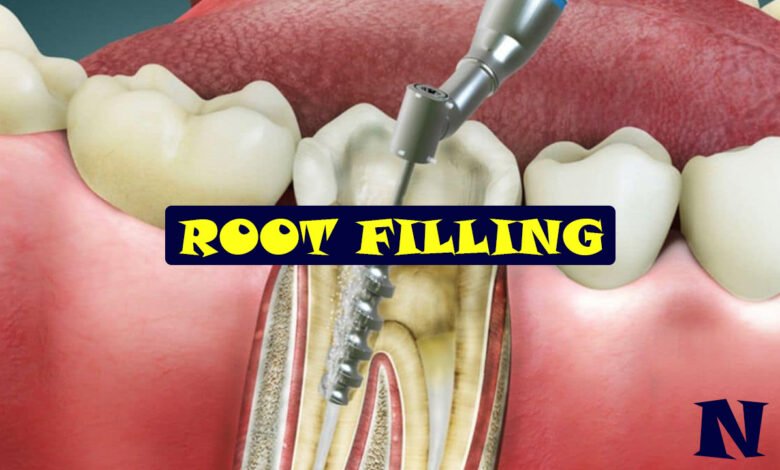
Root filling is a common dental treatment used to save a tooth that has become badly infected or damaged inside. Instead of removing the tooth, a dentist cleans the infected root canals, removes damaged tissue, and fills the empty spaces with a special dental material. This helps prevent further infection and allows the natural tooth to remain in place.
Many people worry about root filling because they expect pain or a complicated procedure. However, modern dental techniques and local anesthesia make the treatment much more comfortable than many people imagine. This guide explains how root filling works, why it is needed, how much it may cost, how long recovery takes, and what patients should expect before and after treatment.
What Is Root Filling?
Root filling is a dental procedure performed as part of root canal treatment. Inside every natural tooth is a soft tissue called pulp, which contains nerves, blood vessels, and connective tissue. When this tissue becomes infected or seriously damaged, it may need to be removed to protect the surrounding tooth and bone.
After removing the affected pulp, the dentist carefully cleans and shapes the root canals. The canals are then filled and sealed to reduce the chance of bacteria entering again. This allows the tooth to continue functioning without its original pulp tissue.
Why Is Root Filling Needed?
Root filling becomes necessary when the pulp inside a tooth is inflamed beyond repair, infected, or dead. Deep tooth decay is one of the most common causes. Bacteria can travel through damaged enamel and dentin until they reach the inner pulp, causing inflammation and sometimes severe pain.
A cracked tooth, repeated dental procedures, or an injury can also damage the pulp. Without treatment, infection may spread beyond the root and cause swelling or an abscess. Root filling removes the affected tissue and helps preserve the natural tooth.
Common Signs You May Need Root Filling
The symptoms of a damaged or infected tooth can vary from person to person. Some people experience severe discomfort, while others notice only minor changes. In certain cases, an infected tooth may not cause any noticeable pain.
Common warning signs include:
- Persistent or severe toothache.
- Pain when biting or chewing.
- Lingering sensitivity to hot or cold drinks.
- Swollen or tender gums near a tooth.
- A small pimple-like bump on the gums.
- Tooth discoloration following damage.
- Swelling around the jaw or face.
These symptoms do not always mean root filling is required. A dental examination and appropriate tests are needed to confirm the cause.
How Is Root Filling Done?
Root filling follows a careful process designed to remove infection and protect the remaining tooth structure. The dentist first examines the tooth and may take dental X-rays to understand the shape of the roots and identify possible infection.
The main steps usually include:
- Local anesthesia is given to numb the tooth and surrounding area.
- A small opening is made in the tooth to reach the pulp chamber.
- Damaged or infected pulp tissue is removed.
- The root canals are cleaned, shaped, and disinfected.
- The prepared canals are filled with a suitable material.
- The tooth is sealed with a temporary or permanent restoration.
A crown may be recommended afterward, especially when the tooth has lost significant structure.
Is Root Filling Painful?
One of the biggest concerns about root filling is whether the procedure will hurt. In most cases, local anesthesia effectively numbs the area, allowing the dentist to work without significant pain. Patients may feel pressure or movement during treatment, but sharp pain should not be expected.
After the anesthesia wears off, mild soreness or tenderness is common. This usually improves over the following days. Over-the-counter pain medication may help when suitable for the patient. Severe pain, increasing swelling, or symptoms that worsen should be checked by a dentist promptly.
How Long Does Root Filling Take?
The time required for root filling depends on the tooth being treated and the complexity of its root canals. Front teeth often have fewer canals and may be easier to treat. Molars usually have several canals, making the procedure more detailed and sometimes longer.
A typical appointment may last around 60 to 90 minutes, although some treatments take longer. Many cases can be completed in one or two visits. More complicated infections, unusual root anatomy, or retreatment of an existing root filling may require additional appointments.
Benefits of Root Filling
The main benefit of root filling is that it allows a natural tooth to be saved instead of extracted. Keeping the original tooth can help maintain normal chewing, support surrounding teeth, and preserve the natural appearance of the smile.
Other important benefits include:
- Removing infected or damaged pulp tissue.
- Helping relieve pain caused by pulp inflammation or infection.
- Reducing the risk of infection spreading.
- Preserving natural tooth structure.
- Maintaining chewing ability after proper restoration.
- Avoiding some costs associated with tooth replacement.
Although root filling has a high success rate, no dental treatment guarantees that a tooth will last forever.
Root Filling Cost: What Affects the Price?
The cost of root filling varies according to the country, dental clinic, tooth location, and difficulty of treatment. A front tooth may cost less because it generally has fewer canals. Molars can be more expensive because their root systems are often more complicated.
Other factors include the dentist’s experience, whether a specialist is needed, diagnostic imaging, and the type of final restoration. A crown, if required, is often charged separately. Patients should request a written estimate explaining the complete treatment cost before beginning the procedure.
Root Filling Recovery Time
Recovery after root filling is usually straightforward. Many patients return to their normal daily activities the same day, although the treated tooth may feel sensitive for a short period. Mild tenderness when chewing is especially common if the surrounding tissues were inflamed before treatment.
Most temporary discomfort improves within several days, but healing can vary. Patients should avoid chewing hard foods on a tooth with a temporary filling or one awaiting its final restoration. If pain becomes stronger, swelling develops, or the bite feels uneven, a dental review is important.
What to Eat After Root Filling
Eating carefully after root filling can help protect the treated tooth while it recovers. Patients should wait until the numbness has worn off before chewing to avoid accidentally biting their tongue, lips, or cheeks. Soft foods are often more comfortable during the first day.
Suitable options include yogurt, scrambled eggs, mashed potatoes, soft rice, soup that is not too hot, and cooked vegetables. Hard, sticky, or crunchy foods should be avoided on the treated side until the dentist confirms the tooth is properly restored and safe for normal chewing.
How to Care for Your Tooth After Root Filling
Good aftercare plays an important role in the long-term success of root filling. Although the pulp has been removed, the tooth can still develop decay, fractures, or problems around its roots. Regular cleaning and dental visits remain essential.
Patients should brush twice daily using fluoride toothpaste and clean between their teeth every day. They should also complete any recommended permanent filling or crown without unnecessary delay. Avoiding habits such as chewing ice or opening packages with teeth can help prevent damage to the restored tooth.
Root Filling vs Tooth Extraction
Root filling and tooth extraction are two different approaches to treating a badly damaged tooth. Root filling aims to preserve the natural tooth, while extraction removes it completely. The best option depends on the amount of healthy tooth remaining, the condition of the roots, and the surrounding bone.
Saving a restorable tooth is often preferred because it maintains natural chewing and avoids an empty space. However, extraction may be necessary when a tooth has a severe fracture, extensive structural damage, or cannot be predictably restored. A dentist can explain which treatment offers the better outcome.
Can Root Filling Fail?
Root filling is generally a successful treatment, but problems can occasionally occur. Some teeth have narrow, curved, or unusually shaped canals that are difficult to clean completely. Infection may also return if bacteria enter through a leaking restoration or a new crack.
Signs of a possible problem include recurring pain, swelling, tenderness, or a gum bump near the treated tooth. In some cases, a dentist or endodontist can perform root canal retreatment to address the issue. Other cases may require endodontic surgery or extraction, depending on the tooth’s condition.
Does a Tooth Need a Crown After Root Filling?
Not every tooth requires a crown after root filling. The decision depends on the tooth’s location, how much healthy structure remains, and the amount of pressure it experiences during chewing. Back teeth often benefit from crowns because they handle greater biting forces.
A front tooth with limited damage may sometimes be restored with a permanent filling instead. The dentist will assess the remaining structure and recommend a suitable restoration. Completing this final step is important because an unprotected or poorly sealed tooth may fracture or become reinfected.
How Long Does Root Filling Last?
A properly treated and restored tooth can remain functional for many years, and some last a lifetime. However, the lifespan of a root-filled tooth depends on several factors, including the quality of treatment, the final restoration, oral hygiene, and the condition of the surrounding gums and bone.
Regular dental examinations help identify problems before they become serious. Patients should also avoid excessive biting pressure and address teeth grinding when necessary. Even though the tooth no longer contains living pulp, it still needs the same daily care as other natural teeth.
Can Root Filling Be Avoided?
Root filling can sometimes be prevented through early dental care. Small cavities are generally easier to treat before decay reaches the pulp. Regular examinations allow dentists to identify tooth damage, gum problems, and other concerns that may not cause obvious symptoms.
Brushing with fluoride toothpaste, cleaning between teeth, limiting frequent sugary snacks, and attending routine dental visits can reduce the risk of serious decay. Wearing a mouthguard during contact sports may also help prevent dental injuries. However, not every cause of pulp damage is preventable.
Interesting Facts About Root Filling
Root filling is often misunderstood, especially by people who have never experienced the procedure. One interesting fact is that a tooth can remain useful after its pulp is removed because the surrounding tissues continue to support it.
Another important fact is that a tooth needing root canal treatment does not always hurt. Some infections are discovered during routine examinations or dental X-rays. Root-filled teeth can also still develop cavities, even though they no longer respond to temperature changes in the same way. These facts highlight why regular dental care remains necessary after treatment.
Conclusion
Root filling is an effective way to treat damaged or infected tooth pulp while preserving a natural tooth. The procedure involves cleaning the root canals, removing affected tissue, and sealing the canals to help prevent further infection. With modern anesthesia and dental techniques, treatment is usually more comfortable than many patients expect.
Successful results depend on proper diagnosis, careful treatment, a suitable final restoration, and consistent oral hygiene. Anyone experiencing persistent tooth pain, swelling, or sensitivity should seek a dental examination rather than waiting for the symptoms to become worse.
Frequently Asked Questions About Root Filling
1. Is root filling a permanent treatment?
Root filling is intended to provide a long-lasting solution, and many treated teeth remain healthy for years. However, the tooth may still develop new decay, cracks, or infection. Its long-term success depends on the quality of treatment, the final restoration, and regular dental care.
2. Can I eat normally after root filling?
You can usually eat once the local anesthesia has worn off. Soft foods are recommended initially if the tooth feels tender. Avoid chewing hard or sticky foods on the treated tooth until the dentist has completed the final restoration and confirmed that normal chewing is safe.
3. Can infection return after root filling?
Yes, infection can occasionally return if bacteria remain in untreated canal spaces or enter through a damaged filling, crown, or crack. A dentist may recommend retreatment or another procedure depending on the cause. Persistent pain, swelling, or a recurring gum bump should be examined.
4. Is root filling better than removing a tooth?
Root filling is often preferred when the natural tooth can be successfully restored. It preserves the tooth and helps maintain normal chewing. Extraction may be more appropriate when the tooth is severely fractured, extensively damaged, or cannot be predictably saved.
5. How many appointments are needed for root filling?
Many root filling treatments are completed in one or two appointments. More complicated teeth, persistent infections, or retreatment cases may require additional visits. The exact number depends on the tooth’s anatomy, the condition of the canals, and the dentist’s treatment plan.
See more amazing Information visit Novira Magazine