
How to Prepare for Optimal Results After a MACS Facelift and Midface Lift Surgery

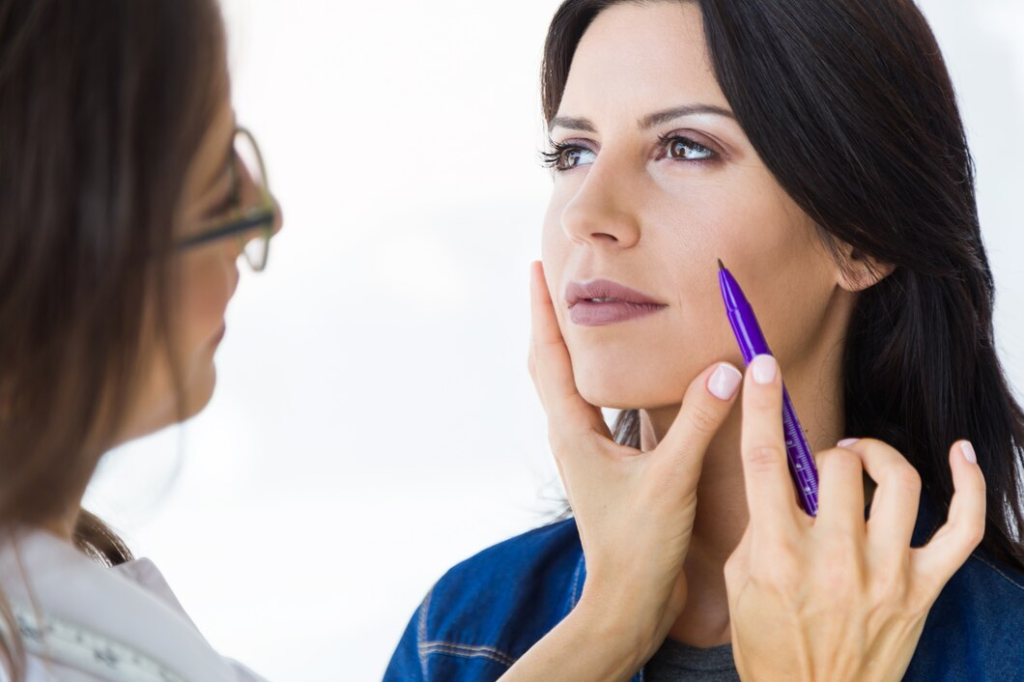
Undergoing a facial rejuvenation procedure is a significant step towards restoring a youthful, refreshed appearance. If you have decided to undergo a MACS facelift, you are choosing a highly effective, less invasive surgical technique designed to lift the lower third of the face with shorter incisions and quicker recovery times. Often, patients combine this procedure with a midface lift surgery to address sagging cheeks and deep nasolabial folds simultaneously. Achieving the best possible outcome from these advanced procedures requires careful planning. Proper preparation before you enter the operating theatre directly influences your healing trajectory, minimises potential complications, and ensures your long-term results are as natural and beautiful as possible.
Understanding the Surgical Approach
To prepare effectively, you must first understand what occurs during your scheduled procedures. A MACS facelift, or Minimal Access Cranial Suspension lift, targets the lower face and jawline using vertical suspension sutures. Unlike traditional facelifts that require extensive incisions around the ear and into the hairline, this technique uses a smaller, inconspicuous incision in front of the ear. This makes the surgical trauma significantly lighter, resulting in less bruising and a faster return to normal activities.
When combined with midface lift surgery, the surgeon addresses the area from the lower eyelids to the corners of the mouth. This secondary procedure repositions the fallen fat pads of the cheeks, restoring youthful volume to the midface without relying solely on dermal fillers. Because both procedures address different layers and regions of the face, your body requires specific preparation to handle the combined healing demands. Knowing how these surgeries alter facial tissue helps you appreciate the necessity of strict pre-operative guidelines, such as avoiding blood-thinning medications and preparing your skin for the upcoming incisions.
Synergy of Combined Procedures
Addressing both the lower and middle regions of the face simultaneously creates a balanced, harmonious rejuvenation. It prevents the mismatched appearance that sometimes occurs when only one area is surgically corrected, ensuring your jawline and cheeks look equally youthful.
Pre-Operative Health and Lifestyle Adjustments

Preparing your body physically is the cornerstone of a smooth recovery. Your surgeon will provide a comprehensive list of instructions, but certain adjustments are universal. If you smoke or use nicotine products, you must stop at least four to six weeks before your surgery. Nicotine constricts blood vessels, severely restricting oxygen delivery to the healing tissues and significantly increasing the risk of scarring or skin necrosis around the delicate incision lines.
Dietary adjustments also play a vital role in your preparation. Focus on nutrient-rich foods that promote wound healing, such as lean proteins, leafy greens, and foods high in vitamin C. However, you must avoid certain supplements that increase bleeding risks. Stop taking aspirin, ibuprofen, vitamin E, and herbal supplements like ginkgo biloba or ginseng at least two weeks prior to your midface lift surgery. These substances thin the blood, which can lead to excessive post-operative haematomas or bruising. Instead, consult your surgical team about safe pain management alternatives and approved multivitamins to keep your immune system strong ahead of your scheduled procedure.
Hydration and Skin Care
Keep your skin well-hydrated by drinking plenty of water in the weeks leading up to surgery. Avoid harsh chemical peels, sunburns, or new, aggressive skincare products that could irritate your face before the incisions are made.
Setting Up Your Recovery Sanctuary
Your home environment should be fully prepared before you head to the surgical clinic. Having everything you need within arm’s reach prevents unnecessary movement and stress during the critical first few days of recovery. Set up a comfortable resting area, ideally a bed or a reclining chair, where you can remain upright. Keeping your head elevated at a 45-degree angle is essential after a MACS facelift to reduce swelling and prevent fluid accumulation in the facial tissues.
Stock your recovery space with essential supplies to ensure you do not need to run errands post-surgery. You will need ice packs or bags of frozen peas wrapped in clean towels to soothe the cheeks and jawline. Prepare soft, easy-to-chew foods like soups, smoothies, yoghurts, and scrambled eggs, as chewing solid food can be uncomfortable after midface surgery due to temporary tightness in the cheek and jaw areas. Additionally, arrange for a responsible adult to drive you home from the clinic and stay with you for at least the first twenty-four hours to assist with medication schedules and basic tasks.
Essential Comfort Items
Gather button-up shirts or loose-fitting tops that do not require pulling over your head. This simple wardrobe choice protects your healing incisions from accidental friction or pulling, ensuring the delicate sutures remain undisturbed during dressing changes.
Managing the Immediate Post-Operative Window
The first seventy-two hours after your procedure are the most challenging, but knowing what to expect can alleviate anxiety. Swelling and bruising are natural physiological responses to surgical intervention, peaking around the second or third day. Applying cold compresses gently to the designated areas for fifteen minutes at a time will help manage this swelling. However, never apply ice directly to the skin, as temporary numbness from the procedure might prevent you from feeling extreme cold, leading to skin damage.
Strict adherence to your prescribed medication schedule is vital during this initial window. Take your pain relief medications on time rather than waiting for discomfort to become severe. If your surgeon prescribed preventative antibiotics, complete the entire course to safeguard against infection. Wound care must be handled with utmost cleanliness. Gently clean the incision lines according to your surgeon’s specific instructions, using clean cotton buds and prescribed ointments. Avoid touching or picking at any crusting around the ears or temples, as this natural barrier protects the healing incisions from external bacteria.
Rest and Gentle Movement
While bed rest is essential, light movement is equally important. Take short, gentle walks around your living room every few hours to promote healthy blood circulation and prevent deep vein thrombosis, but avoid any strenuous physical activity.
Gradual Return to Normal Activities
Patience is your greatest asset during the weeks following your midface procedure and lower face rejuvenation. Most patients feel comfortable returning to public life and non-strenuous work within ten to fourteen days, once the initial bruising has faded and can be easily concealed with light makeup. However, your internal tissues are still healing, and you must avoid vigorous exercise, heavy lifting, or bending over for at least four to six weeks to prevent spikes in blood pressure that could cause bleeding.
Sun protection is another critical aspect of your long-term recovery. Healing incisions are highly sensitive to ultraviolet radiation, which can cause permanent hyperpigmentation, making scars appear dark and prominent. Wear a wide-brimmed hat whenever you go outside and apply a high-SPF, broad-spectrum sunscreen once your surgeon confirms the incisions have fully closed. By protecting your face from the sun, you preserve the delicate scars from your surgery and ensure they fade into thin, virtually invisible lines over the coming months.
Patience with Final Results
Residual swelling can persist for several months, particularly in the cheek area. Do not judge your final surgical outcome prematurely; the true, refined contours of your rejuvenated face will gradually reveal themselves as the deep tissues settle completely.
Conclusion
Preparing thoroughly for your procedure and midface rejuvenation is the most effective way to ensure a safe, comfortable recovery and exceptional aesthetic results. By making healthy lifestyle adjustments, setting up a supportive recovery environment, and following your surgeon’s post-operative instructions diligently, you actively participate in your own healing process. Facial rejuvenation is a journey that requires patience, but the reward of a refreshed, youthful, and natural-looking appearance is well worth the effort. Take the time to prepare your body and mind before your procedure, allowing you to relax during your recovery and enjoy the long-lasting benefits of your surgical investment with complete peace of mind.
