Open, Closed, Preservation or Piezo: Decoding the Rhinoplasty Terms Clinics Advertise

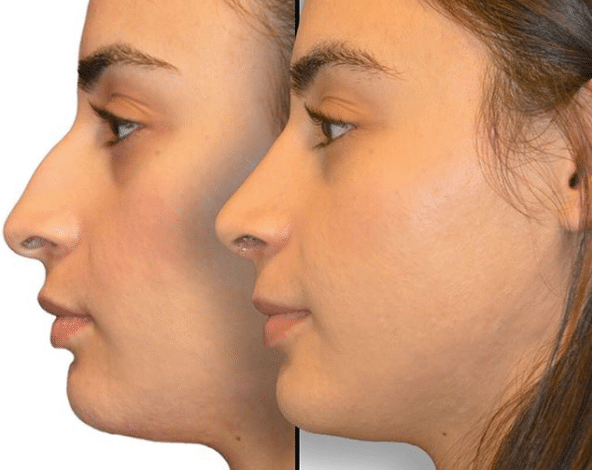
Clinic websites often list rhinoplasty techniques as if they were competing products: open, closed, preservation, ultrasonic, piezo. They are not all the same kind of thing. Some describe how the surgeon reaches the nasal structures, some describe a philosophy of reshaping, and one describes a type of instrument. Mixing them up makes it hard to compare consultations, and easy to choose a technique for its name rather than for your nose.
If you have been searching nose job Turkey and noticed how often these terms appear, this guide sorts them into their categories, explains what the evidence says about each, and suggests questions that reveal how a surgeon thinks.
Approach, Philosophy and Tool Are Different Questions
Every rhinoplasty plan answers three separate questions:
- Approach: how does the surgeon get access to the cartilage and bone? This is the open or closed choice.
- Philosophy: does the surgeon mainly remove and rebuild structures, or preserve and reposition them? This is the structural or preservation choice.
- Tool: how is the bone cut and shaped? This is where piezo, or ultrasonic, instruments come in.
A surgeon can perform a preservation rhinoplasty through a closed approach using piezo instruments, or a structural rhinoplasty through an open approach with conventional tools, or many other combinations. When a clinic advertises one term, ask about the other two.
Open and Closed Approaches
In an open rhinoplasty, the surgeon makes a small incision across the columella, the strip of skin between the nostrils, and lifts the skin to see the structures directly. It gives excellent visibility for complex work, such as major tip changes, crooked noses and revisions. It leaves a small scar under the nose that usually fades well.
In a closed rhinoplasty, all incisions sit inside the nostrils. There is no external scar, and swelling may settle a little faster, but the surgeon works with less direct visibility. It suits many primary rhinoplasties with moderate changes, particularly to the bridge.
Neither is better in every case. What matters is that the surgeon chooses the approach that fits your nose and is experienced with it.
Structural Rhinoplasty
Structural rhinoplasty has been the dominant approach for decades. To reduce a hump, the surgeon removes the bony and cartilaginous excess, then rebuilds the middle of the nose with grafts, often taken from the septum, so it stays strong and the airway stays open. Tip shape is refined with sutures and grafts.
Its strength is versatility. It can handle large humps, significant deviations, weak cartilage and revisions. Its drawbacks are that it involves more dissection and reconstruction, and that it uses graft material that you might need for any future surgery.
Preservation Rhinoplasty
Preservation rhinoplasty aims to keep the natural structures intact wherever possible. In dorsal preservation, instead of shaving off a hump, the surgeon lowers the whole bridge as one unit by removing a strip of septum beneath it, in techniques known as push-down or let-down. Other preservation methods focus on keeping the lateral cartilages and soft-tissue ligaments intact.
Interest in these techniques has grown quickly, and a number of the published case series come from surgeons working in Turkey. The evidence is still developing, though. A 2023 systematic review in Facial Plastic Surgery found that most studies were low-level evidence with few direct comparisons against structural techniques. Reviews have also noted that dorsal preservation can be limited by a higher rate of hump recurrence, and that very large humps may not suit a push-down approach. A 2024 meta-analysis of patient-reported outcomes found similar cosmetic satisfaction between dorsal preservation and conventional hump reduction, while noting that conventional reduction may do better at relieving breathing obstruction.
Preservation can give natural-looking results in the right nose. It is not the right choice for every nose, and a surgeon who offers it to everyone is following a trend rather than an assessment.
Piezo, or Ultrasonic, Rhinoplasty
Piezo instruments use ultrasonic vibration to cut and shape bone. They were first used in rhinoplasty in 2004 and are now widely marketed as “ultrasonic rhinoplasty”. The idea is that they cut bone precisely while sparing surrounding soft tissue.
The evidence on this is encouraging, with caveats. A 2024 meta-analysis of 12 randomised controlled trials found that piezo surgery reduced swelling and bruising in the first week and caused fewer injuries to the lining of the nose than conventional chisels. A separate meta-analysis described the evidence as weak, because of the low quality of many studies, while also finding less early swelling, bruising and pain.
The important thing to understand is that piezo is a tool, not a different operation. It can make the early recovery gentler. It does not decide the shape of your nose. The surgeon’s plan and skill do that.
Matching the Technique to Your Nose
Before discussing any technique by name, a good surgeon should assess:
- Your breathing, including any blockage, previous injury or allergies, and look inside your nose as well as at it.
- The size and shape of any hump, and whether the bridge is straight or deviated.
- Your tip, including strength of the cartilage and thickness of the skin.
- Your septum, which is both a structural support and the main source of graft material.
- Your goals, ideally discussed with photographs of noses you like and dislike.
From that assessment, the approach, philosophy and tools should follow. If a clinic leads with the name of a technique before examining you, ask why that technique suits you specifically.
Questions That Reveal How a Surgeon Thinks
- Will you use an open or closed approach for my nose, and why?
- Do you plan a preservation or a structural technique, and what are the trade-offs for my hump and tip?
- Will you use piezo instruments, conventional tools or both?
- How will you protect or improve my breathing?
- How much of my septum will remain available if I ever need revision surgery?
- How many rhinoplasties do you perform each year, and can I see results at twelve months or later?
Choosing a nose job Turkey surgeon based on a technique’s name is a common mistake. Choose a surgeon who can explain, in plain terms, which approach, philosophy and tools fit your nose, and why. The right technique follows from that conversation.
This article is general information, not medical advice. Only a qualified surgeon who has examined your nose, inside and out, can recommend a technique suited to you.