
10 Essential Tips for Healing After Wisdom Teeth Removal and Salivary Gland Tumour Surgery in London


Undergoing oral or maxillofacial surgery requires careful preparation to ensure a smooth recovery. Whether you have scheduled a wisdom teeth removal in London or are preparing for the surgical removal of a salivary gland tumour in London, the post-operative period dictates how quickly you return to your normal routine. While these two procedures target different areas of the mouth and neck, they share fundamental recovery principles. Proper wound care, swelling management, and dietary adjustments prevent complications like infection or dry socket. This guide provides ten practical, expert-backed tips to help you heal comfortably, minimise pain, and safely manage your recovery at home after undergoing major oral surgery in the capital.
Setting Up Your Recovery Zone Before Surgery
A successful recovery starts before you even arrive at the clinic for your wisdom teeth removal in London. Preparing your home beforehand reduces stress and physical exertion when you return in a post-anaesthetic state. Designate a quiet resting area with extra pillows to keep your head elevated, which is crucial for reducing initial facial swelling. Stock your pantry with soft, nutrient-dense foods that require zero chewing, such as smooth soups, yoghurt, and protein shakes.
Stocking the Right Supplies
In addition to food, gather essential medical supplies. You will need clean gauze packs, ice wraps, and any prescribed pain relief medications or antibiotics. Place these items within arm’s reach of your bed or sofa. Keep a notepad nearby to track your medication schedule, as staying ahead of the pain threshold is much easier than catching up once discomfort sets in. If you live alone, arrange for a friend or family member to stay with you for the first twenty-four hours. Having someone to assist with basic tasks and monitor your early recovery ensures safety and peace of mind during those critical first hours. Furthermore, ensure you have a thermometer and a list of emergency contact numbers for your surgical team handy, so you never have to search for information while feeling unwell.
Managing Pain, Swelling, and Bruising
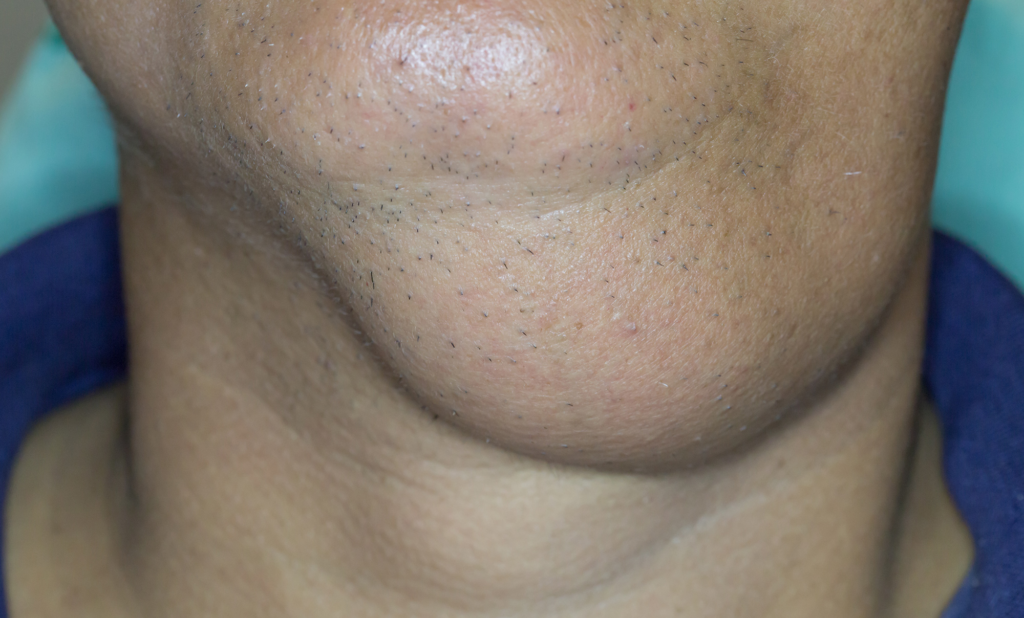
Post-operative swelling and bruising are natural inflammatory responses, particularly after complex procedures like the excision of a salivary gland tumour in London. Swelling typically peaks around forty-eight to seventy-two hours after surgery before gradually subsiding. To control this, apply ice packs wrapped in a thin towel to the affected side of your face for twenty minutes on, then twenty minutes off. This cold therapy is highly effective during the first two days to constrict blood vessels and limit fluid build-up.
Transitioning to Heat Therapy
After the initial forty-eight hours, switch from cold compresses to warm, moist heat. A warm compress promotes blood circulation to the surgical site, which accelerates the healing process and relaxes tight jaw muscles. Take your prescribed analgesics precisely as directed by your surgeon, rather than waiting for pain to become severe. If your specialist prescribed anti-inflammatory drugs, these will help reduce both pain and tissue swelling. Avoid aspirin, as it thins the blood and can increase the risk of post-operative bleeding at the wound site. Rest remains your primary ally; avoid any strenuous physical activity, lifting, or vigorous exercise for at least a week to keep your blood pressure stable.
Nutritional Guidelines for Safe Healing
Maintaining proper nutrition is vital for tissue repair, but you must modify your diet to protect the healing surgical wounds. For the first few days, stick strictly to cool or room-temperature liquids and pureed foods. Avoid hot liquids like boiling tea or coffee, as heat can dissolve the blood clots forming in the surgical sockets or incisions, leading to bleeding. Excellent options include mashed potatoes, scrambled eggs, blended smoothies, and lukewarm broths.
Staying Hydrated Safely
Hydration is equally important for flushing out toxins and keeping your mucous membranes moist. Drink plenty of water throughout the day, but never use a straw. The suction force created by using a straw can easily dislodge blood clots, causing a painful condition known as dry socket or delaying wound healing. Eat small, frequent meals rather than three large ones to keep your energy levels consistent. As your jaw mobility improves and tenderness decreases, you can gradually reintroduce semi-soft foods like pasta, well-cooked vegetables, and fish. Avoid crunchy, spicy, or highly acidic foods, as well as items with small seeds that can easily become trapped in the surgical wounds and cause localised infections.
Oral Hygiene and Wound Care Protocols
Keeping your mouth clean is essential to prevent bacterial infections, but you must handle the surgical areas with extreme care. Do not brush your teeth, spit, or rinse your mouth on the day of your wisdom teeth removal in London. Spitting creates pressure that can disrupt the delicate healing tissues. Instead, let any excess saliva or fluid gently drool out of your mouth into a tissue or sink.
Gentle Cleaning Techniques
Starting twenty-four hours after your procedure, you can begin gentle warm salt water rinses. Mix half a teaspoon of salt into a glass of warm water and let it bathe the surgical sites by gently tilting your head from side to side. Do not rinse vigorously. Repeat this process four to five times a day, particularly after eating, to wash away food debris. You can resume brushing your remaining teeth with a soft-bristled toothbrush on the second day, but stay well clear of the surgical wounds. If your surgeon prescribed a specific antiseptic mouthwash, use it exactly as instructed. Avoid touching the wounds with your fingers or tongue, as this introduces bacteria and can disrupt the stitches.
Recognising Complications and When to Contact Your Specialist
While most patients recover without incident, you must monitor your progress closely and recognise the early signs of potential complications. Minor bleeding, oozing, and mild discomfort are normal for the first few days. However, if you experience persistent, heavy bleeding that does not stop after biting down on a clean gauze pad for thirty minutes, contact your surgical team immediately. This is especially critical after major neck surgeries, such as those addressing a salivary gland tumour in London, where swelling can potentially impact breathing.
Warning Signs to Monitor
Watch for signs of infection, which include a high fever, severe throbbing pain that worsens over time, increased swelling after the third day, or a foul taste in your mouth. Difficulty swallowing or breathing requires urgent medical attention. If you notice any numbness or tingling in your tongue, lip, or chin that lasts beyond the first twenty-four hours, inform your surgeon. They will evaluate your symptoms to ensure your recovery remains on track. Keeping open communication with your clinical team provides reassurance and ensures any issues are managed promptly and professionally, allowing you to focus entirely on your physical recovery.
Conclusion
Recovering from oral and maxillofacial surgeries requires patience, preparation, and strict adherence to post-operative guidelines. Whether you are recovering from a wisdom teeth removal in London or a complex treatment for a salivary gland tumour in London, prioritising rest, proper nutrition, and gentle oral hygiene will significantly accelerate your healing. By setting up a comfortable recovery space, managing pain proactively, and watching for warning signs, you protect your surgical wounds and prevent avoidable complications. Always trust the specific advice provided by your surgical team, and do not hesitate to contact them if you have any concerns. With the right care and approach, you will soon return to your normal routine with restored health and comfort.
