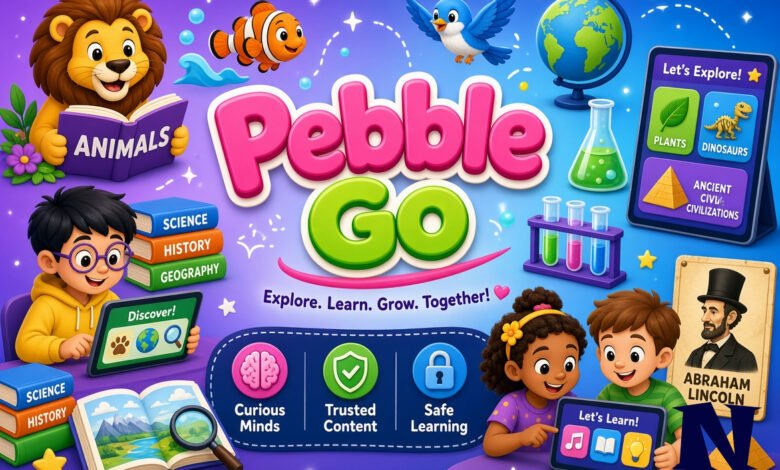
PebbleGo is an online educational learning platform designed to help young students explore different subjects through simple articles, pictures, videos, and interactive activities. It is mainly used in elementary schools, where teachers and librarians introduce children to research and independent learning. The platform makes information easier to understand by using age-appropriate language, audio narration, and organized topics that support classroom lessons.
Developed by Capstone, PebbleGo focuses on making educational research accessible to early readers. Students can explore subjects such as animals, science, biographies, social studies, and health. Its child-friendly design helps learners find information without struggling with complicated websites. For teachers and parents, PebbleGo provides a structured educational environment where children can develop reading skills, improve their knowledge, and become more confident researchers.
What Is PebbleGo?
PebbleGo is a digital research database created specifically for elementary school students. Unlike general search engines, which may display complicated or unrelated information, PebbleGo organizes educational content into clearly defined subjects. Students can select a topic, read a short article, listen to narration, and explore related images or videos. This approach makes learning more manageable for children who are still developing their reading and comprehension abilities.
The platform is commonly used by schools, libraries, and educational institutions. Its main purpose is to introduce children to reliable research materials in a format they can understand. Teachers can use PebbleGo during classroom activities, while students can explore educational topics independently. The combination of written content and multimedia features supports different learning styles and helps make classroom research more engaging.
The History and Development of PebbleGo
PebbleGo was introduced by Capstone, an educational publishing company that produces learning resources for schools and libraries. The platform launched in 2009 with a focus on helping young children access digital nonfiction information. At a time when online research was becoming increasingly important in education, PebbleGo offered a simpler alternative to traditional websites and complex reference databases.
Over time, PebbleGo expanded its educational content and added new subject categories. Its development reflected the growing need for digital learning materials that could support elementary classrooms. The platform also introduced features that made research more accessible to students with different reading abilities. Today, PebbleGo continues to serve as a digital resource for schools seeking organized, age-appropriate educational information.
How Does PebbleGo Work?
PebbleGo works through a simple browsing system that allows students to explore educational subjects without needing advanced computer skills. After accessing the platform through a school or library subscription, learners can choose a subject category and select an article. Each article presents information in short sections, making it easier for children to understand one idea before moving to another.
Many articles include audio narration, allowing students to listen while following the written text. This feature is particularly helpful for early readers and children who need additional reading support. Depending on the topic, students may also find pictures, videos, diagrams, and related educational activities. These resources encourage children to explore information rather than simply memorize facts.
Main Educational Subjects Available on PebbleGo
PebbleGo offers several subject areas designed to support elementary education. The availability of individual modules may depend on a school’s subscription. Each category contains articles organized around topics that children commonly encounter during classroom lessons.
Animals
The Animals category introduces students to different creatures, their habitats, diets, physical characteristics, and behavior. Children can learn about mammals, birds, reptiles, insects, and other animal groups. The information is presented in simple language, helping students understand basic biological concepts. Animal photographs and supporting media make the subject more interesting while encouraging curiosity about wildlife and the natural environment.
Science
The Science category helps students explore topics related to the natural world, matter, energy, weather, and other scientific ideas. Articles explain basic concepts using vocabulary suitable for younger learners. Teachers can use this material to support science lessons, introduce unfamiliar terms, and encourage children to ask questions about how things work.
Biographies
The Biographies category introduces children to notable people from history and different professional fields. Students can explore the achievements and contributions of scientists, inventors, artists, leaders, athletes, and other important individuals. These articles help learners understand how people influence society while introducing the basic structure of biographical research.
Social Studies
The Social Studies category covers subjects related to communities, geography, government, history, and culture. Students can learn about different places, traditions, and social systems through accessible explanations. This category helps children develop an understanding of the world beyond their immediate surroundings and supports classroom discussions about communities and citizenship.
Health
The Health category provides age-appropriate information about the human body, wellness, and healthy habits. Students can explore topics connected to nutrition, personal care, and physical well-being. The content is designed for educational learning rather than personalized medical guidance, making it suitable for introducing basic health concepts in elementary classrooms.
Key Features of PebbleGo
One of the most useful features of PebbleGo is its read-aloud functionality. Students who find reading difficult can listen to articles while following the text on the screen. This helps them connect spoken words with written language and may improve comprehension. It also allows children to explore educational subjects without being completely dependent on their current reading level.
Another important feature is the platform’s organized navigation system. Categories, article headings, and related content help students locate information without using complicated search techniques. Multimedia resources, including photographs and videos, provide additional explanations. Some articles also include interactive elements and activities that encourage students to review what they have learned and develop basic research skills.
Why PebbleGo Is Popular in Elementary Schools
PebbleGo is designed around the needs of younger students, which makes it useful in elementary classrooms. Many traditional research websites contain long articles, advertisements, or advanced vocabulary that children may find confusing. PebbleGo reduces these difficulties by presenting educational information through shorter sections, familiar navigation, and supportive media.
Teachers also benefit from having a structured research resource that connects with common classroom subjects. Instead of searching through multiple websites, students can begin with a selected educational category. This saves instructional time and allows teachers to focus on helping children understand information, ask meaningful questions, and communicate their findings.
How PebbleGo Helps Students Improve Reading Skills
Reading development is an important part of elementary education, and PebbleGo provides features that support students at different ability levels. Its articles use accessible vocabulary and manageable sections, allowing children to practice reading informational text. Audio narration offers additional assistance by helping learners hear pronunciation and follow sentence structure.
The platform also introduces subject-specific vocabulary through meaningful examples. When children read about animals, weather, or historical figures, they encounter new words connected to familiar ideas. Repeated exposure to these terms can strengthen comprehension. Although PebbleGo does not replace direct reading instruction, it can provide useful opportunities for independent reading practice.
PebbleGo for Teachers and Classroom Learning
Teachers can use PebbleGo to introduce new lessons, support research projects, and provide additional reading materials. For example, during a science unit about animal habitats, students can explore related articles and identify important facts. Teachers may then ask learners to compare animals, create simple reports, or explain what they discovered.
The platform can also support small-group activities and independent assignments. Students working at different reading levels can explore the same general topic while using available audio and visual support. This flexibility makes PebbleGo useful for classrooms with varied learning needs. Teachers can combine its content with discussions, worksheets, presentations, and hands-on educational activities.
PebbleGo for Parents and Home Learning
Parents may find PebbleGo helpful when their child’s school or library provides home access. Children can use the platform to review classroom subjects, complete research assignments, or explore topics that interest them. Its simple design encourages independent learning while reducing the need for adults to explain every section of an article.
Parents can also participate by listening to articles with their children and discussing the information afterward. Asking questions about an animal’s habitat or a historical person’s achievements can help reinforce understanding. However, home access depends on the subscription arrangements of the school or library, so families should check with their educational institution.
How to Access and Log In to PebbleGo
PebbleGo is generally accessed through a subscription provided by a school, library, or educational organization. Students may receive login instructions from their teachers or school librarians. Some institutions provide shared access credentials, while others connect the platform through their existing educational systems. The exact login method depends on how the institution manages its subscription.
After gaining access, students can open the available subject categories and begin exploring articles. Families should use the access method provided by their school rather than assuming that every account follows the same process. If login details are missing or access stops working, the school’s teacher, librarian, or technology support team is usually the best contact.
Is PebbleGo Free or Paid?
PebbleGo is primarily a subscription-based educational resource. Schools and libraries typically purchase access so their students can use the platform for research and classroom learning. Subscription arrangements can vary depending on the educational institution, selected subject modules, and available services.
For students, access may appear free because the school or library covers the subscription cost. However, this does not mean that the entire platform is freely available to everyone. Public pricing and purchasing arrangements may change, and exact subscription costs should be confirmed through the provider. Families interested in using PebbleGo should first ask whether their child’s school already offers access.
PebbleGo and PebbleGo Next: What Is the Difference?
PebbleGo and PebbleGo Next are related educational research resources developed for different learning stages. PebbleGo primarily supports younger elementary students who need simple explanations, shorter articles, and additional reading assistance. Its design helps children become familiar with informational texts and basic research activities.
PebbleGo Next is intended for older elementary learners who are ready for more detailed information and increasingly independent research. Its articles generally provide greater depth and more advanced vocabulary. Both resources support educational exploration, but their content complexity differs. Schools may use them together to provide research materials that better match students’ developing academic abilities.
Benefits of Using PebbleGo for Students
One major benefit of PebbleGo is that it introduces research skills at an early age. Students learn to select a subject, locate relevant information, and identify important facts. These activities create a foundation for more advanced research assignments as children progress through school.
Another benefit is increased independence. Because the platform uses clear navigation and audio support, students can explore many topics with less assistance. Its educational content also encourages curiosity by allowing children to move between related subjects. When combined with teacher guidance, PebbleGo can support reading comprehension, vocabulary development, and confidence in using digital learning resources.
Limitations of PebbleGo
Although PebbleGo offers many educational benefits, it also has limitations. Its content is primarily designed for elementary learners, so older students may need resources with more detailed explanations and advanced research materials. The platform is best understood as an introductory educational database rather than a complete replacement for textbooks, libraries, or other academic sources.
Subscription requirements can also affect accessibility. Students whose schools do not provide access may be unable to use the full platform. Additionally, digital articles cannot replace every classroom experience. Practical experiments, physical books, group discussions, and teacher instruction remain important parts of a balanced education.
Is PebbleGo Safe for Kids?
PebbleGo is designed as an educational research environment for children. Its organized content helps students explore school-related subjects without relying entirely on unrestricted internet searches. This structure can reduce exposure to unrelated information and makes the research process easier for younger users.
However, parents and teachers should still encourage responsible digital habits. Children benefit from learning how to protect personal information, use educational accounts appropriately, and ask adults for help when something is confusing. Schools should also review the platform’s current privacy practices and their own technology policies before introducing any digital resource to students.
How PebbleGo Supports Digital Literacy
Digital literacy involves more than knowing how to use a computer or tablet. Students must also learn how to locate information, understand what they read, and use digital resources responsibly. PebbleGo provides a starting point for developing these abilities through its structured articles and accessible navigation.
For example, students can practice identifying the main idea of an article, selecting useful facts, and explaining information in their own words. Teachers can extend these activities by introducing simple source evaluation and citation skills. These lessons help children understand that online information should be read carefully rather than copied without thought.
Interesting Facts About PebbleGo
PebbleGo has several characteristics that distinguish it from general educational websites. It was developed specifically for young researchers rather than adult internet users. Its subject categories focus on common elementary learning needs, while audio narration helps students who are still developing independent reading skills.
The platform also combines traditional nonfiction articles with multimedia learning tools. This allows students to encounter the same subject through written explanations, spoken narration, and visual examples. Another notable feature is its relationship with PebbleGo Next, which offers a more advanced research experience for students who have progressed beyond introductory elementary content.
The Role of PebbleGo in Modern Education
Digital research tools have become an important part of classroom learning, especially as students begin using technology at younger ages. PebbleGo demonstrates how educational content can be adapted to children’s developmental needs. Instead of expecting young learners to navigate complicated websites, it provides a structured environment for discovering information.
Its value is particularly clear when teachers combine digital research with reading instruction and classroom discussion. Students can investigate a topic, collect information, and present their findings using different formats. These experiences support communication, critical thinking, and independent learning. PebbleGo is one resource that schools can use to introduce these important academic habits.
Conclusion
PebbleGo is an educational research platform that helps elementary students explore information through simple articles, audio narration, images, and multimedia resources. Developed by Capstone, it offers subject areas that support classroom lessons and encourage children to become more independent learners. Its accessible design makes it especially useful for students who are beginning to develop reading and research skills.
For schools, teachers, and families, PebbleGo can be a valuable addition to traditional educational resources. Although subscription requirements and age-level limitations should be considered, the platform provides a structured way for children to discover new topics. Its greatest strength is making introductory research easier to understand and more approachable for young students.
Frequently Asked Questions About PebbleGo
1. What is PebbleGo used for?
PebbleGo is used for elementary school research, reading practice, and educational exploration. Students can learn about animals, science, biographies, social studies, and health through age-appropriate articles and multimedia resources. Teachers frequently use it for classroom assignments, introductory research projects, and independent learning activities.
2. Is PebbleGo free for students?
PebbleGo is primarily a paid subscription platform, but students may receive access through their schools or libraries without paying individually. Availability depends on whether their educational institution has an active subscription. Families should contact their school or library to confirm access details.
3. What age group is PebbleGo designed for?
PebbleGo is mainly designed for younger elementary students, particularly those in kindergarten through third grade. Its short articles, simple navigation, and audio narration help early readers understand informational content. Older elementary students may benefit from PebbleGo Next, which offers more detailed educational material.
4. Can children use PebbleGo at home?
Yes, children can use PebbleGo at home when their school or library subscription permits remote access. They may need login credentials or a special access method supplied by their educational institution. Home access allows students to continue research assignments and explore educational subjects outside the classroom.
5. What is the difference between PebbleGo and Google?
PebbleGo is a curated educational research platform designed for younger students, while Google is a general search engine that provides access to information from across the internet. PebbleGo presents organized, age-appropriate articles with reading support, making it easier for children to conduct introductory research. Google offers a much wider range of information but requires stronger searching and source-evaluation skills.
See more amazing Information visit Novira Magazine