What happens when seniors lose the ability to manage daily tasks on their own? For many older adults, the answer lies in structured support systems that help them maintain independence while receiving the assistance they need. Structured support refers to organized services, programs, and care arrangements designed to address specific challenges seniors face. These systems can range from formal in-home care to community programs that promote engagement and wellness. Understanding how structured support works and what it offers can help seniors and their families make informed decisions about care options.
Physical Health and Safety Benefits
Structured support programs directly address the physical health needs that become more pressing as people age. When seniors have consistent access to assistance with medication management, they are less likely to experience dangerous drug interactions or missed doses that could worsen chronic conditions. A structured program might include regular check-ins from a nurse or caregiver who reviews medications and ensures prescriptions are filled on time. Organized support systems also often include safety evaluations of the home environment, identifying hazards like loose rugs, poor lighting, or slippery bathroom surfaces that increase fall risk. Fall prevention components such as balance training, strength exercises, and assistive device recommendations further reduce fall incidents and help seniors move through their homes with greater confidence. This organized approach to health and safety creates a protective framework that allows seniors to live more securely in their own spaces.
Mental and Emotional Well-being
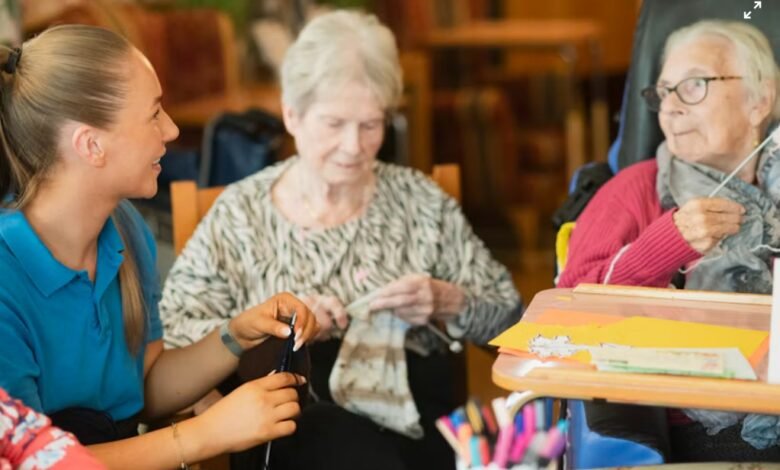
Social isolation represents one of the most significant threats to senior mental health, yet structured support programs are well positioned to address this challenge. Organized community centers, senior clubs, and group activities provide regular opportunities for seniors to interact with peers who face similar life circumstances. These connections reduce feelings of loneliness and depression that can develop when seniors spend prolonged periods alone. A structured program might offer weekly craft sessions, discussion groups, or exercise classes where seniors naturally build friendships and maintain active social lives.
Cognitive stimulation through structured activities also supports mental health and memory function. Programs that include puzzles, educational workshops, memory games, or technology classes keep seniors mentally engaged and provide a sense of purpose. When older adults participate in meaningful activities within an organized framework, they report higher life satisfaction and improved mood. The predictability of scheduled activities offers emotional comfort as well, since seniors know what to expect and can plan their days around engaging pursuits.
Nutritional Support and Dietary Management
Proper nutrition becomes increasingly important for seniors, yet many struggle to plan meals, shop for groceries, or prepare food safely. Structured support programs address these challenges through meal delivery services, nutrition counseling, and group dining experiences that ensure seniors receive balanced, adequate nutrition. Senior centers, for example, often provide subsidized or free lunch programs where older adults gather, enjoy a healthy meal, and engage in conversation. When seniors participate in these organized meal programs, they benefit not only from nutritious food but also from the social dimension of shared dining.
Dietary management is particularly important for seniors with conditions like diabetes, heart disease, or high blood pressure, where specific food choices directly impact health outcomes. Structured nutritional support can include personalized meal planning that accounts for medical needs, food allergies, and individual preferences. Seniors working with a registered dietitian through organized programs learn how to read nutrition labels, make healthier choices at restaurants, and adapt favorite recipes to meet dietary restrictions. This comprehensive nutritional support helps seniors maintain better health outcomes and greater independence in managing their own wellness.
Cognitive and Functional Decline Management
Structured programs designed for seniors experiencing cognitive decline provide essential support while helping them retain as much independence as possible. These programs often include cognitive assessment services, memory training, and supervised activities that engage various mental functions. For seniors with early-stage dementia or memory loss, structured environments with clear routines and familiar faces reduce confusion and anxiety. Adult day programs specifically designed for cognitive decline offer activities, meals, medication management, and social engagement in a safe, supervised setting while allowing seniors to return home in the evenings.
Family caregivers benefit considerably from structured programs that address cognitive decline, as these services provide respite care and expert guidance on managing behavioral and communication challenges. Organized support systems often include caregiver training workshops where family members learn evidence-based strategies for navigating specific situations. This type of structured education empowers caregivers and improves the quality of care seniors receive at home. When seniors with cognitive decline have access to structured activities and supervision, they experience fewer accidents, better medication compliance, and reduced behavioral difficulties.
Coordination of Care and Medical Services
Structured support systems excel at coordinating the various medical and social services seniors need, eliminating confusion about who provides what care. A well-organized care coordination program ensures that physicians, specialists, therapists, and social workers communicate effectively about a senior’s needs and progress. This coordination prevents dangerous gaps in care, such as medication conflicts between providers or duplicated services that waste time and resources. A structured care management team might include a primary physician, physical therapist, social worker, and home health aide, all working from a single care plan to address health and functional needs comprehensively.
When seniors and families navigate healthcare without structured coordination, important details can slip through the cracks, leading to preventable hospitalizations. Families researching residential options such as Lehigh Acres Assisted Living rely on these structured coordination frameworks to ensure their loved ones receive consistent oversight across medical, social, and personal care services. Organized systems create accountability and transparency throughout the care process. This approach to care coordination leads to better health outcomes, reduced emergency room visits, and more efficient use of healthcare resources.
Maintaining Independence and Autonomy
One of the most important benefits of structured support is how it enables seniors to maintain independence rather than diminishing it. Organized programs are designed around the principle that seniors should do as much as possible for themselves while receiving assistance only where needed. A structured in-home support program might help with heavy cleaning and laundry while allowing the senior to continue managing personal care, light cooking, and financial tasks on their own. This balanced approach preserves the senior’s sense of control and self-determination, which significantly affects overall quality of life.
Structured support systems also offer flexibility and scalability, adjusting as a senior’s needs change over time. A program can begin with minimal assistance for transportation and grocery shopping, then expand to include more personal care or medical support if health circumstances change. This gradual approach allows seniors to accept help without feeling overwhelmed by sudden major life changes. When seniors remain actively involved in decisions about their own care within a structured framework, they retain dignity and agency throughout the aging process.
Conclusion
Structured support systems provide comprehensive solutions to the many challenges seniors face in maintaining health, independence, and quality of life. From physical safety and medical coordination to emotional well-being and cognitive support, organized programs address the complex needs of older adults in ways that informal arrangements often cannot. These systems benefit not only seniors but also their families, who gain peace of mind knowing their loved ones receive consistent, well-coordinated care. By understanding the various ways structured support improves everyday living for seniors, families can make confident decisions about care options that allow their older loved ones to age with dignity, maintain independence, and continue enjoying meaningful lives.