If you are looking for the best facturas near me, you are searching for the classic sweet pastries sold in Argentine bakeries. These small, glazed treats come in many shapes and fillings, and the best ones are baked fresh each morning. Locals buy them by the dozen for breakfast or the afternoon merienda, usually with coffee or mate.
The search for the best facturas near me usually leads to Argentine or Uruguayan panaderías. These shops keep a wide selection on the counter, from plain medialunas to filled pieces with dulce de leche or quince paste. Freshness matters most, so the top spots bake early and often sell out by midday. Checking recent reviews and visiting in the morning gives the best results.
What Are Facturas?
Facturas are the everyday sweet pastries of Argentina. They cover a range of baked and fried goods made from enriched dough, often finished with a light sugar syrup glaze that leaves them shiny and slightly sticky. The category includes both sweet and a few savory pieces, though the sweet ones dominate most bakery counters.
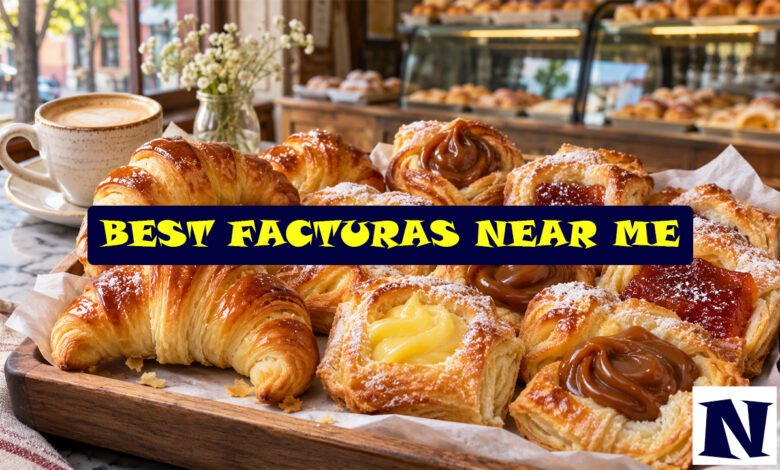
Unlike a single pastry name, “facturas” describes the whole group. You will see them arranged in trays behind the glass, ready for customers to pick a mixed dozen. The dough is usually laminated or enriched, giving a tender texture when made well. Fillings such as dulce de leche, crema pastelera, membrillo (quince paste), or batata (sweet potato paste) appear in many varieties. Argentines treat them as ordinary food rather than a special dessert, which is why buying twelve at once is normal.
In Uruguay the similar items are often called bizcochos, and the tradition overlaps enough that Uruguayan bakeries also serve good options. Outside South America, the best facturas near me appear in neighborhoods with Argentine or broader Southern Cone communities.
History and the Meaning Behind the Names
Facturas arrived with European immigrants in the late 19th and early 20th centuries. Italian, German, and French bakers brought techniques that Argentine workers adapted to local tastes and ingredients. The modern names, however, come from a period of labor organizing in Buenos Aires.
In the 1880s, the bakers’ union—influenced by anarchist ideas—gave many pastries mocking names aimed at the church, police, and military. Bolas de fraile means “friar’s balls.” Vigilantes referred to police officers. Cañoncitos means “little cannons.” Sacramentos nodded at religious rites. These names stuck and are still used today without most people thinking about the original politics. The word “factura” itself, which normally means invoice or bill in Spanish, was also tied to the idea of the value of the workers’ labor.
Medialunas have an older story linked to the crescent shape and the 1529 siege of Vienna, though the Argentine version developed its own character. The result is a set of names that sound unusual to outsiders but feel completely ordinary in an Argentine bakery.
Popular Types of Facturas
The best facturas near me will offer several of these common varieties rather than only one or two. Medialunas are the most popular. The butter version (de manteca) is richer, smaller, and glazed. The fat version (de grasa) is thinner and less sweet. Both can be plain or filled.
Bolas de fraile are round, often fried pieces filled with dulce de leche or pastry cream and dusted with sugar. Vigilantes are long and usually topped with quince paste, sweet potato paste, or crema pastelera. Cañoncitos are tube-shaped puff pastry pieces filled with dulce de leche or cream. Libritos look folded like little books. Sacramentos are rectangular and often filled. Tortitas negras are flatter rounds topped with dark caramelized sugar.
Bakeries also sell mixed dozens called surtidas or docena mixta. This is the usual way to try several types at once. Prices stay modest because facturas are everyday items. Exact availability varies by shop, but a good counter shows clear variety and recent baking.
How to Find the Best Facturas Near Me
Start by searching Google Maps or similar tools for “Argentine bakery,” “panadería argentina,” or “facturas” plus your city or neighborhood. Look for places that specifically mention Argentine or Uruguayan baked goods. Check recent reviews for comments on freshness, medialunas, or dulce de leche fillings. Photos of full trays in the morning are a positive sign.
Timing helps. The best facturas near me are usually made early. Many bakeries bake a second batch for the afternoon merienda around five or six. Visiting soon after opening or asking when the latest batch came out improves your chance of getting soft, flaky pieces. High-turnover shops are generally better because facturas dry out quickly.
Neighborhoods with Argentine communities are the strongest starting points. In some cities this means specific districts with Latin American shops. Uruguayan bakeries often carry the same or very similar items. Broader Latin American bakeries can work if they list facturas or medialunas, but dedicated panaderías usually offer the widest and freshest selection.
Call ahead if you need a large order, especially on weekends. Some shops sell out of popular items by late morning. Online menus or Instagram posts from the bakery can show the daily selection before you go.
What Makes Good Facturas
Freshness is the clearest sign of quality. Pieces baked that morning should feel light and slightly soft. Day-old facturas become dry and heavy. A shop that restocks frequently is more likely to deliver good results.
The dough should show layers and stay tender rather than dense or bready. A proper glaze is thin and glossy, not thick or overly sugary. Fillings should be generous and taste of real dulce de leche, quince, or custard instead of artificial flavors. A wide display with eight or more varieties suggests the bakery takes the category seriously.
Medialunas de manteca should have a soft interior and crisp exterior when fresh. Fried pieces like bolas de fraile should not taste greasy. If the counter looks sparse or the pastries sit under harsh lights for hours, it is better to try another place. Asking staff when the last batch was baked is a simple way to judge.
How to Order Like a Local
Most people order a docena (dozen) or media docena (half dozen). Buying one piece is possible but less common. You can request specific types or ask for a mixed selection. Staff often pack them in a box or paper bag tied with string.
Learning a few names helps. Saying “medialunas de manteca” or “bolas de fraile” shows what you want. If you are unsure, a mixed dozen lets you sample the shop’s style. Prices are usually listed per piece or per dozen, and the cost stays accessible compared with many other pastries.
In some places you can also find savory options such as medialunas filled with ham and cheese. These work well as a light meal. Always check the display or ask, because the exact lineup changes during the day.
When and How People Eat Them
Facturas belong to breakfast and the merienda, the mid-afternoon snack that is a daily habit in Argentina. They pair with coffee, café con leche, or mate. The glazed surface and fillings make them easy to eat by hand.
People also bring a box to offices, gatherings, or someone else’s house. The dozen format fits this custom. They are not typically served as a formal dessert after dinner. Eating them the same day they are baked keeps the texture best. Leftovers can be warmed briefly, but the quality drops after several hours.
Interesting Facts About Facturas
The names still used today come directly from 1880s labor protests in Buenos Aires. Most customers no longer connect “bolas de fraile” or “vigilantes” to that history. Dulce de leche appears in more varieties than any other filling, reflecting Argentine taste. The word factura in this food sense is almost unique to Argentina; elsewhere in Spanish it means invoice.
Medialunas de manteca and de grasa are treated as distinct products even though both are crescent-shaped. Some bakeries still use traditional animal fat for the grasa version. The tradition of buying by the dozen rather than individually remains strong because the items are everyday food.
Conclusion
Finding the best facturas near me comes down to locating an Argentine or Uruguayan panadería with high turnover and a wide selection. Focus on freshness, light layered dough, and a proper glaze. Order a mixed dozen in the morning or early afternoon, and you will taste the classic Argentine bakery style. These pastries remain a simple, shared part of daily life wherever the tradition continues.
Frequently Asked Questions
What are facturas?
Facturas are the group of sweet Argentine pastries that include medialunas, bolas de fraile, vigilantes, and other small glazed pieces. They are sold mainly in panaderías.
Where can I find the best facturas near me?
Search for Argentine or Uruguayan bakeries. Check recent reviews that mention freshness and specific items like medialunas. Visit in the morning for the newest batches.
Do I need to order a whole dozen?
Most people buy a docena or media docena. Single pieces are available at many shops, but the dozen is the standard way locals buy them.
What is the difference between medialunas de manteca and de grasa?
De manteca uses butter and is richer and glazed. De grasa uses fat, is thinner, and tastes less sweet. Both are common.
How long do facturas stay fresh?
They are best the same day, ideally within a few hours of baking. After that they dry out and lose their light texture.
See more amazing Information visit Novira Magazine