How Your Implant Actually Fuses to Your Jaw, The Science Behind Osseointegration

A dental implant may look like a simple replacement tooth once treatment is complete. What sits beneath the gum, however, is doing something far more important. The implant post becomes securely connected to the jawbone through a natural healing process called osseointegration.
This process is the reason an implant can support a crown for a single missing tooth. It is also why implant treatment needs careful planning, healthy gums and enough time for healing. A crown may be the visible part of the treatment, but the real foundation is built inside the jaw.
For people considering a single tooth replacement, understanding osseointegration can make the treatment journey feel less mysterious and help them ask better questions at a consultation.
What Is Osseointegration?
Osseointegration means that bone grows tightly against the surface of a dental implant. In simple terms, the jawbone accepts the implant and forms a strong connection around it.
A dental implant is usually a small screw shaped post placed in the jawbone where the missing tooth root used to be. Once it has healed, it can support a replacement crown. The crown replaces the part of the tooth seen above the gum, while the implant post acts as the replacement root.
The process is not the same as a bone healing around a broken bone. The implant does not become a natural tooth root. Instead, the bone forms a close, stable relationship with the implant surface. This gives the implant the support needed to handle normal biting and chewing forces.
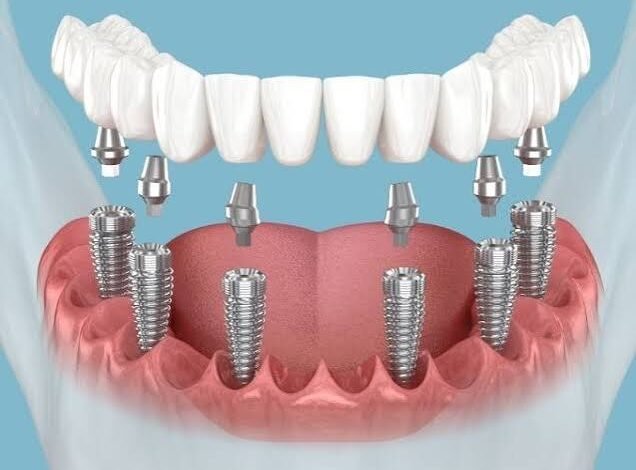
A typical single tooth implant has three main parts:
- The implant post, placed in the jawbone
- The abutment, which connects the post to the crown
- The crown, which replaces the visible tooth
The dental information published at denmarkstreetdentalpractice.co.uk describes osseointegration as an important part of implant stability and durability.
What Happens After Implant Placement?
Implant treatment begins with a detailed assessment. The dentist considers the gap, the condition of the gums, the remaining teeth, the bite and the available jawbone. X rays and 3D imaging may be used where needed to help plan the implant position.
Once the implant is placed, the healing process begins.
In the early stage, the body responds to the surgical site in the same way it responds to other healing wounds. Blood supply and healing cells move into the area. Over time, new bone develops around the implant surface.
As healing continues, the connection between the jawbone and implant becomes stronger. This stage cannot be judged by appearance alone. The gum may look settled long before the bone has fully healed around the implant.
This is why dentists do not simply place a final crown immediately in every case. The implant needs a stable foundation before it is asked to carry full biting pressure.
Why Healing Times Vary
Many implant treatment plans include a healing phase lasting several months. The practice information for single tooth implants describes a general recovery period of four to eight months. However, this should be understood as a guide, not a guaranteed timeline for every patient.
Healing time can vary because every mouth is different.
Factors that can affect the process include:
- The amount and quality of bone at the missing tooth site
- Whether the tooth was lost recently or has been missing for some time
- The position of the tooth, particularly whether it is at the front or back of the mouth
- The condition of the gums
- Smoking and vaping habits
- General health and certain medicines
- Teeth grinding or heavy bite forces
- Whether bone grafting or gum treatment is needed first
A person with healthy gums, good bone support and a straightforward gap may have a simpler treatment journey. Another person may need preparation before an implant can be placed safely. Neither situation is unusual.
Why Bone and Gum Health Matter
Bone is the key material that holds an implant in place. If bone has shrunk after tooth loss, there may not be enough support for an implant in the ideal position. In some cases, bone grafting may be discussed to build up the area before or during implant treatment.
Gum health matters just as much. Gum disease can damage the tissues and bone that support natural teeth. It can also affect the tissues around an implant. Active gum disease is usually treated and stabilised before implant placement is considered.
Good oral health gives the implant the best environment to heal. This does not mean every patient needs perfect teeth before treatment. It means that current problems, such as decay, infection or gum inflammation, need to be identified and managed as part of the plan.
What Can Affect Osseointegration?
Osseointegration is a natural process, but it is not automatic. The body needs the right conditions to heal well.
Smoking is one of the most important lifestyle factors. It can reduce blood flow and affect wound healing. Research has linked smoking with a higher risk of implant complications and failure. Dentists may encourage patients to stop smoking or reduce it before and after surgery.
Poorly controlled diabetes may also affect healing. This does not automatically mean someone cannot have an implant, but it needs to be discussed honestly during the medical assessment.
Daily cleaning is another major factor. An implant cannot develop tooth decay, but plaque can still collect around the gum line. If plaque is left in place, the gums around an implant can become inflamed. Over time, this may affect the bone supporting it.
Grinding and clenching can place added pressure on the implant and crown. A dentist may assess the bite and discuss whether protective treatment is needed.
The Final Crown Comes Later
Once the implant has healed and the dentist is satisfied that it is stable, the final crown can be fitted. The crown is designed to sit alongside the natural teeth and restore the missing tooth space.
The shape, contour and colour of the crown are important, especially for a visible front tooth. However, appearance should never come before a stable implant position and healthy gum support.
This stage highlights an important point. Implant success is not only about whether the post remains in the jawbone. The final crown also needs to function properly, fit the bite and remain easy to clean.
The treatment page on denmarkstreetdentalpractice.co.uk explains that a single implant can replace one missing tooth while keeping the surrounding teeth intact. This is one reason implants may be considered when neighbouring teeth are healthy.
How Implants Compare With Bridges and Dentures
An implant is not the only option for a missing tooth.
A traditional bridge replaces the gap with an artificial tooth supported by neighbouring teeth. It is fixed in place and does not require implant surgery. However, the support teeth usually need to be prepared for crowns.
A removable partial denture can replace one or more teeth without surgery. It can be removed for cleaning and may need little alteration to adjacent teeth. Some people find dentures less stable or less comfortable than fixed options, but they can still be suitable in selected cases.
An implant differs because it replaces the tooth root as well as the visible tooth. It can preserve neighbouring teeth, but it also involves surgery, a healing period and long term maintenance. No option is best for every patient.
Questions Worth Asking Before Treatment
A consultation should provide clear answers about the planned treatment and healing process. Helpful questions include:
- Do the gums and jawbone look healthy enough for an implant?
- Will bone grafting or gum treatment be needed first?
- How long is the expected healing period in this case?
- Will a temporary tooth be provided while the implant heals?
- How will smoking, grinding or medical conditions affect the plan?
- What cleaning and review appointments will be needed after treatment?
- Would a bridge or removable denture be more suitable?
Final Verdict
Osseointegration is the science that makes dental implants possible. It is the gradual bonding process between bone and implant, creating the stable base needed for a replacement crown. It takes time, depends on healthy tissues and requires ongoing care after treatment.
For a single missing tooth, an implant may be a useful option when the gums, bone and general health support it. It is not a quick fix, and it is not suitable for every situation. A proper assessment is the only way to know whether it is appropriate.
Anyone considering treatment can use denmarkstreetdentalpractice.co.uk as a starting point for learning about single tooth replacement, then discuss their own bone, gum health, treatment stages and alternatives with a dental professional.