Small differences in tooth shape can stand out more than people expect. An uneven edge, a visible gap or an old chip may draw attention whenever someone smiles, even if the teeth are otherwise healthy. For those who want to change these details, cosmetic treatment can offer a way to achieve a more balanced appearance without extensive dental work.
Composite bonding uses tooth-coloured resin to reshape selected areas of the teeth. For patients considering treatment in Middlesbrough, it can be a practical option for addressing minor cosmetic concerns while keeping most of the natural tooth structure intact. A dentist can assess the teeth and explain whether bonding is likely to produce the desired result.
Patients exploring cosmetic dental treatments can visit westmountdentalsurgery.co.uk to find relevant information before discussing their options with a dentist.
What Actually Happens During Composite Bonding?
Composite bonding is a hands-on process done entirely in the dentist’s chair. There’s no lab work, no temporary fittings, and usually no need for injections unless you’re particularly sensitive.
First, the dentist examines your teeth and talks through what you’d like to change. They’ll check for any underlying issues, like decay or gum problems, that need addressing before cosmetic work begins. If everything looks healthy, they move on to preparing the tooth.
Preparation is minimal. A gentle etching gel is applied to create a slightly textured surface, helping the resin stick securely. This step removes far less enamel than veneers require, keeping your tooth as intact as possible.
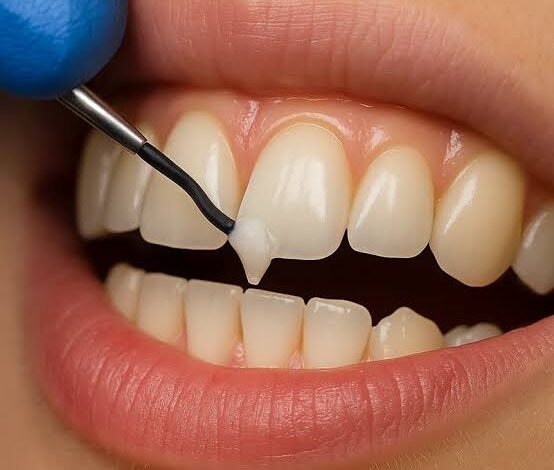
Next comes the resin itself, a putty-like material matched carefully to your natural tooth colour. The dentist builds it up in thin layers, shaping each one to restore contour, close a gap, or rebuild a chipped edge. After each layer, a blue curing light hardens the material in seconds.
Once the final shape is achieved, the dentist trims away any excess and polishes the surface until it shines just like your other teeth. The whole process typically takes under an hour per tooth, and most patients leave with their new look the same day.
Is It Right for You?
Composite bonding shines when it comes to small, visible fixes. It’s well suited for:
- Minor chips or cracks along the biting edge
- Small gaps between front teeth (especially if orthodontics isn’t wanted)
- Teeth that appear slightly too short or uneven
- Localised staining that doesn’t improve with whitening
- Covering white or dark spots on enamel
But it’s not a one-size-fits-all answer. Teeth with large fillings, significant wear, or structural weakness may need stronger restorations. Similarly, if your main concern is crookedness or bite alignment, braces or clear aligners might be more effective long term.
Your dentist will assess not just how your teeth look, but how they function together. Bite pressure, grinding habits, and gum health all play a role in deciding whether bonding is the best path forward.
How Long Does It Last, and What Needs Looking After?
With everyday care, composite bonding can stay looking good for several years. But it’s not indestructible. The resin is softer than natural enamel or porcelain, so it can scratch, chip, or pick up stains over time.
Daily habits matter. Brushing twice a day with a soft brush and using floss gently around bonded areas helps prevent plaque buildup. Try to avoid biting hard objects, nuts, pen lids, ice, as these can crack the material. If you grind your teeth at night, mention it during your consultation; a protective guard might be recommended.
Staining is another consideration. Coffee, tea, red wine, and tobacco can dull the surface faster than natural teeth. Regular hygienist cleanings help maintain shine, and minor surface repairs are often possible if the bonding starts to look worn.
Most patients find that occasional touch-ups are simpler and cheaper than replacing entire veneers. And because bonding doesn’t require permanent enamel removal, it leaves options open for future treatments if needed.
Bonding vs Other Options: What Sets It Apart?
Unlike porcelain veneers, which involve removing a thin layer of enamel and waiting weeks for custom shells, composite bonding is immediate and reversible. It’s also kinder to your budget, though exact costs vary by case complexity.
It’s different from fillings too. While both use similar materials, fillings focus on repairing decay, whereas bonding is designed to reshape or enhance appearance. You might think of it as a cosmetic upgrade that also restores function when part of a tooth is missing.
For people unsure about committing to veneers, bonding can serve as a trial run. It lets you see how a new shape or size feels in your mouth before considering more permanent changes.
Taking the First Step in Middlesbrough
If you’re curious whether composite bonding could help your smile, start with a conversation. A good dental practice will listen to your concerns, explain what’s feasible, and outline any alternatives worth considering.
During your visit, ask about aftercare, expected lifespan, and what happens if something goes wrong. Reputable clinics are upfront about limitations, not because they want to discourage you, but because they want your results to last.
Many people find that addressing even small dental concerns makes a big difference in daily confidence. And with modern techniques, achieving a natural-looking result is easier than ever.
To explore composite bonding in Middlesbrough, visit westmountdentalsurgery.co.uk.