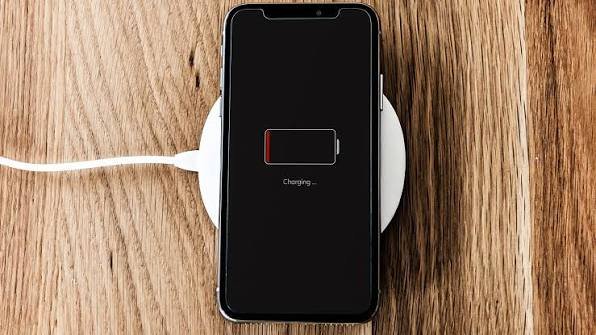
Choosing the right charger for your iPhone is important for safe, efficient, and reliable charging. With different charger types, power ratings, cable connections, and charging technologies available, it can be confusing to decide which option is best for your device. Using a suitable charger can help your iphone charge efficiently while supporting long-term battery performance. If your phone is charging slowly, becoming unusually warm, or losing power quickly, the charger and cable may be part of the problem. Understanding compatibility and charging requirements makes it easier to select a dependable option. This guide explains the key factors to consider when choosing an iphone charger and how proper charging habits can support your device.
Check Your iPhone Model and Charging Port
The first step is to identify your iphone model and the type of charging port it uses. Newer iPhone models use USB-C, while some older models use a Lightning connector. The cable must have the correct connector for your particular device. You should also check whether your existing charging adapter has a compatible output and connection. Choosing a cable simply because it physically fits is not enough; it should also meet appropriate charging and safety standards. Checking your iPhone’s specifications before purchasing can prevent compatibility problems and unnecessary expense.
Understand the Significance of an iPhone Charger
An iPhone charger plays an important role in delivering power safely and efficiently to the battery. A reliable charger can provide stable power and support faster charging when the iPhone and adapter are designed to work together. Poor-quality or damaged charging accessories may cause inconsistent charging, excessive heat, or connection problems. The quality of the charger therefore matters just as much as its compatibility. A suitable adapter and cable can make everyday charging more convenient while helping you avoid common charging issues.
Choose the Right Charging Power
Power output is another important factor when selecting an iPhone charger. A higher-wattage adapter does not automatically mean that your iPhone will receive that entire amount of power. The device manages how much energy it accepts according to its charging requirements. For faster wired charging, choose an adapter that supports the appropriate charging standard and sufficient power for your iPhone model. USB-C Power Delivery is commonly used for modern fast-charging setups. It is also important to purchase adapters from reputable manufacturers rather than selecting an unknown product based only on a high wattage claim.
Consider Cable Quality and Compatibility
A good adapter needs to be paired with a suitable cable. Look for cables that are designed for your iPhone’s connector and support the required charging capabilities. Damaged, extremely thin, or poorly constructed cables can lead to unreliable connections and slower charging. When replacing a cable, consider durability, connector quality, length, and power support. If you frequently charge your phone while working or traveling, a durable cable with an appropriate length can make charging easier. Keeping the cable clean and avoiding sharp bends can also help extend its useful life.
Why Is My Battery Draining So Fast After Charging?
If you are wondering why is my battery draining so fast, the charger may not always be the main cause. Battery age, high screen brightness, background applications, weak cellular signals, location services, and demanding apps can all increase power consumption. However, an unsuitable or damaged charging accessory can contribute to charging problems that make the battery seem less reliable. Check your iPhone’s Battery settings to identify apps and activities using significant power. If battery health has declined considerably, replacing the battery may be more helpful than simply purchasing a stronger charger.
Select Safe and Reliable Charging Options
Safety should always be considered when buying an iphone charger. Choose accessories from reputable brands and avoid suspiciously cheap products with unclear specifications. Look for appropriate safety certifications and make sure the adapter and cable are designed for the electrical standards in your region. Wireless charging is another convenient option if your iphone supports it, although wired charging may be preferable when you need faster or more consistent charging. Keep chargers away from moisture and replace cables or adapters that show signs of damage. These simple precautions can reduce charging risks and improve everyday reliability.
Conclusion
Finding the right iphone charger involves more than choosing the cheapest or highest-powered adapter. Start by checking your iPhone model and charging port, then consider charging power, cable compatibility, build quality, and safety. A reliable charger can provide convenient and consistent power while supporting better charging habits. If you are asking why is my battery draining so fast, also examine battery health and background power usage rather than assuming the charger is the only cause. By choosing compatible, high-quality charging accessories and using them properly, you can keep your iPhone powered safely and efficiently.