Statens Luftfartsvæsen: History, Role, Responsibilities, and Legacy in Danish Aviation

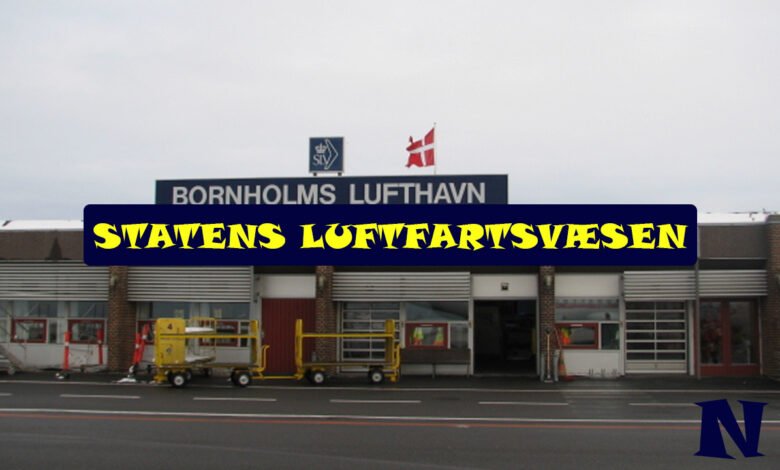
Statens Luftfartsvæsen was Denmark’s former civil aviation authority and played a central role in regulating and supervising Danish aviation. Commonly abbreviated as SLV, the organization operated under the Danish transport authorities and was responsible for areas including aviation safety, regulation, supervision, certification, and other public aviation functions.
The organization no longer exists as an independent authority. On 1 November 2010, Statens Luftfartsvæsen became part of Trafikstyrelsen, and its statutory responsibilities were transferred to the new authority. Its history, however, remains important for understanding how Denmark developed its modern system of civil aviation regulation.
The dates and institutional history are supported by Danish archival records and aviation references. Rigsarkivet records the Statens Luftfartsvæsen name for the period leading up to 2010, while Lex dates the underlying aviation authority to 1 March 1938.
What Was Statens Luftfartsvæsen?
Statens Luftfartsvæsen was the Danish state organization responsible for major parts of civil aviation administration. Its purpose was not to operate like a commercial airline. Instead, it created and enforced the framework within which airlines, pilots, airports, aviation schools, maintenance organizations and other parts of civil aviation could operate.
A 2009 Danish regulation formally described Statens Luftfartsvæsen as an authority under the Transport Ministry. It assisted the transport minister and other authorities with aviation matters while regulating and supervising civil aviation. At that time, it also operated the state-owned Bornholm Airport.
History of Statens Luftfartsvæsen
The institutional history behind Statens Luftfartsvæsen reaches back further than the familiar SLV name. According to Lex, the national aviation authority was established on 1 March 1938 as Luftfartsdirektoratet under the Ministry of Public Works. The name Statens Luftfartsvæsen was introduced in 1985.
Danish National Archives records provide additional detail about the changing administrative names. They list earlier bodies including Luftfartskommissionen from 1918, Luftfartsrådet from 1926 and later aviation authorities that eventually developed into Statens Luftfartsvæsen. The archive lists SLV as the abbreviation used for Statens Luftfartsvæsen before its 2010 merger.
Early Development of Danish Civil Aviation
Understanding Statens Luftfartsvæsen also requires looking at the development of Danish aviation itself. As commercial aviation expanded during the twentieth century, governments needed formal systems for airfields, aircraft standards, air traffic services, navigation, weather information and operational safety.
Aviation meteorology offers one example. DMI records that a flight meteorological service was established in Denmark in 1926 because early commercial flight crews needed better information about weather conditions. That service later developed under Statens Luftfartsvæsen before Denmark reorganized its meteorological services.
The Main Responsibilities of Statens Luftfartsvæsen
One of the central responsibilities of Statens Luftfartsvæsen was regulating and supervising civil aviation. Danish legislation from 2009 explicitly stated that the authority regulated and supervised civil aviation and assisted the minister and other public authorities on aviation matters.
Its work covered a broad aviation environment rather than a single activity. Historical aviation regulations dealt with aircraft, aviation equipment, workshops, airports, flight operations, training, air routes and safety systems. Statens Luftfartsvæsen therefore formed part of the regulatory framework connecting government oversight with the everyday operation of Denmark’s civil aviation sector.
Aviation Safety and Supervision
Safety was one of the most important parts of the work associated with Statens Luftfartsvæsen. Historically, the authority included Luftfartstilsynet, or the aviation inspectorate, which established safety requirements and supervised compliance with them.
This oversight mattered because aviation safety depends on standards being applied consistently across many different activities. Aircraft operations, technical maintenance, airports, personnel qualifications and aviation organizations all operate within detailed regulatory systems. SLV’s role was therefore largely preventive: regulations, approvals and inspections were intended to establish conditions in which civil aviation could function safely and efficiently.
Bestemmelser for Civil Luftfart
An important term connected with Statens Luftfartsvæsen is “Bestemmelser for Civil Luftfart,” usually shortened to BL. These civil aviation provisions covered numerous areas of aviation and were used by aviation organizations when planning and conducting their activities.
Historical BL documents remain available through Denmark’s official legal information system. For example, regulations issued under Statens Luftfartsvæsen covered subjects such as air traffic services and fees for public aviation services and supervision. A 2009 fee regulation specifically addressed charges connected with approvals, examinations, supervision and other official activities performed by SLV.
Statens Luftfartsvæsen and Air Traffic Control
For part of its history, Statens Luftfartsvæsen had responsibilities extending beyond regulatory supervision. Its Flyvesikringstjenesten handled air traffic control and other air navigation services and was involved in establishing and operating technical aviation systems.
That structure eventually changed. From 1 January 2001, Flyvesikringstjenesten was separated from Statens Luftfartsvæsen and established as an independent state enterprise. The organization became Naviair. Official legislative material explains that the separation was intended to establish a clearer distinction between operational air-navigation functions and government regulatory functions.
Why Naviair Was Separated From SLV
The creation of a separate air-navigation organization marked an important change in Danish aviation administration. Before 2001, Statens Luftfartsvæsen combined functions connected with aviation oversight and the provision of air navigation services.
Separating Flyvesikringstjenesten created a clearer organizational, legal and financial division between the operator providing air traffic services and the authority supervising aviation. Naviair subsequently became the organization responsible for important civil air traffic services, while Statens Luftfartsvæsen continued with its authority functions until the later 2010 reorganization.
Statens Luftfartsvæsen and Danish Airports
Statens Luftfartsvæsen also had historical connections with airport operations. Lex states that SLV operated Bornholm Airport and Vágar Airport in the Faroe Islands during part of its history. Its responsibilities therefore extended beyond writing regulations and conducting inspections.
Airport administration changed over time as Denmark reorganized aviation infrastructure and separated different functions. For example, legislation concerning Copenhagen’s airports in the early 1970s transferred airport-related rights and responsibilities to a separate Copenhagen airport organization while leaving services such as air traffic control and aviation-related support functions within the state aviation structure at that stage.
Organization and Professional Workforce
Unlike a person or private company, Statens Luftfartsvæsen cannot meaningfully be described through physical appearance, relationship status or similar biographical characteristics. It was a public authority staffed by specialists working across different aviation disciplines.
Historical records show the variety of professions associated with the organization. These included administration, air traffic control, radio services, technical functions, airport activities and supervision. Records concerning the staff organization also mention groups connected with flight radio, air traffic control, airport administration, meteorological work and inspection, illustrating how broad the aviation workforce had become.
Statens Luftfartsvæsen and Aviation Regulation
Regulation was a fundamental part of SLV’s identity. Official historical regulations demonstrate that Statens Luftfartsvæsen had authority to issue detailed rules under powers delegated through Danish aviation legislation and ministerial regulations.
For example, a historical regulation concerning the establishment of air traffic services states that Statens Luftfartsvæsen issued the rules under authority from the relevant ministry. Such documents show how broad legislation was translated into technical requirements that aviation organizations could apply in actual operations.
Security Responsibilities
Aviation security was another area in which Statens Luftfartsvæsen exercised official responsibilities. Security in this context is different from operational flight safety. It concerns protection against unlawful acts and threats affecting civil aviation.
A Danish regulation from 2010 shows that SLV had responsibilities connected with security approvals. Among other provisions, it addressed security clearance for certain personnel who required access to classified aviation security information. The document was issued shortly before Statens Luftfartsvæsen ceased operating as an independent authority.
Fees and Funding
As a government authority, Statens Luftfartsvæsen did not have a personal “net worth.” The concept is therefore not relevant in the way it would be for an individual, celebrity or privately owned business.
However, SLV did collect fees and charges for certain regulatory activities. Historical regulations show charges for approvals, individual official services and continuing supervision. The 2010 fee rules covered activities performed for companies and individuals within the aviation sector, illustrating how parts of aviation supervision were financed through user payments.
The End of Statens Luftfartsvæsen
The most important organizational change occurred on 1 November 2010. On that date, Statens Luftfartsvæsen ceased to exist as an independent authority because it became part of Trafikstyrelsen.
This did not mean that Denmark stopped regulating civil aviation. Instead, the responsibilities continued within a different administrative structure. Later legislative changes replaced references to Statens Luftfartsvæsen with references to Trafikstyrelsen, reflecting the fact that the successor authority had taken over the relevant responsibilities. The SLV name disappeared, but its regulatory functions continued.
What Replaced Statens Luftfartsvæsen?
Trafikstyrelsen became the successor for the aviation authority functions previously associated with Statens Luftfartsvæsen. Today, aviation remains one of Trafikstyrelsen’s areas of responsibility, and the authority functions as Denmark’s national civil aviation authority.
Modern aviation regulation is also strongly international. Danish aviation operates within standards and regulatory frameworks established through organizations and systems including ICAO and the European Union/EASA framework. According to Lex’s description of Trafikstyrelsen’s aviation activities, implementing internationally and regionally established aviation rules and standards is a central part of the authority’s work.
Social Media and Online Presence
Statens Luftfartsvæsen does not maintain a current independent social media presence because the organization ceased to exist as a separate authority in 2010. Any social accounts using the historical name should therefore not automatically be assumed to represent an official current Danish aviation authority.
People searching online for current Danish civil aviation information should look for information published by the relevant Danish authorities rather than expecting an active SLV website or social profile. Historical information about Statens Luftfartsvæsen can also be found through official legal records, the Danish National Archives and established Danish reference works.
Legacy of Statens Luftfartsvæsen
The legacy of Statens Luftfartsvæsen is visible in the institutional development of Danish civil aviation. For decades, the organization helped administer rules, supervision and safety requirements during a period when aviation became increasingly complex, international and technically advanced.
Its history also reflects a broader shift toward separating different aviation functions. Air navigation services were separated into Naviair in 2001, while SLV’s remaining authority functions were incorporated into Trafikstyrelsen in 2010. Those changes created organizational boundaries between service provision and regulatory supervision that continue to shape Danish aviation administration.
Interesting Facts About Statens Luftfartsvæsen
The name Statens Luftfartsvæsen was introduced in 1985, but the underlying Danish aviation authority dated back to 1938. Earlier administrative bodies dealing with aviation can be traced even further back through Denmark’s archival records.
Another notable fact is that air traffic services were once contained within the same wider organization. Flyvesikringstjenesten was separated from SLV in 2001 and became Naviair. Nine years later, Statens Luftfartsvæsen itself disappeared as an independent authority when it became part of Trafikstyrelsen on 1 November 2010.
Why Statens Luftfartsvæsen Still Appears in Searches
People still encounter the term statens luftfartsvæsen because decades of Danish aviation documents were produced while the authority existed. Historical regulations, legal documents, archival records and aviation publications naturally contain the former organization’s name.
This can sometimes create confusion for readers searching for a current authority. Statens Luftfartsvæsen should be understood as a historical organization rather than the present name of Denmark’s aviation regulator. References in older documents need to be read in their historical context, especially when determining which authority handles the same subject today.
Conclusion
Statens Luftfartsvæsen was a major institution in the history of Danish civil aviation. Originating from the national aviation authority established in 1938 and operating under the Statens Luftfartsvæsen name from the 1980s, it handled important responsibilities involving aviation regulation, supervision, safety and administration.
Its structure changed as Danish aviation evolved. Air navigation services were separated into Naviair in 2001, and on 1 November 2010 Statens Luftfartsvæsen became part of Trafikstyrelsen. The SLV name is therefore historical, but many of the public functions associated with it remain essential parts of Denmark’s modern civil aviation system.
FAQs About Statens Luftfartsvæsen
What was Statens Luftfartsvæsen?
Statens Luftfartsvæsen, commonly abbreviated SLV, was Denmark’s former civil aviation authority. It was responsible for regulating and supervising civil aviation and assisting Danish government authorities with aviation matters. During different periods of its history, the organization was also connected with airport operations and air navigation services. Its purpose was to support a safe and properly regulated civil aviation system rather than operate as a commercial airline.
When was Statens Luftfartsvæsen established?
The aviation authority from which Statens Luftfartsvæsen developed was established on 1 March 1938 as Luftfartsdirektoratet under the Ministry of Public Works. The name Statens Luftfartsvæsen was introduced later, in 1985 according to Lex, while archival records document the evolution of several earlier aviation bodies. The institution continued under the SLV name until its incorporation into Trafikstyrelsen in 2010.
Does Statens Luftfartsvæsen still exist?
No. Statens Luftfartsvæsen ceased to exist as an independent Danish authority on 1 November 2010 when it became part of Trafikstyrelsen. Official legislative material confirms that responsibilities assigned to the former authority were subsequently handled by Trafikstyrelsen. The name may still appear frequently in historical aviation regulations, archived documents and older publications, but it should not be confused with the current name of Denmark’s civil aviation authority.
What was the connection between Statens Luftfartsvæsen and Naviair?
Naviair developed from Flyvesikringstjenesten, which had previously been part of Statens Luftfartsvæsen. On 1 January 2001, the air navigation service was separated from SLV and established as an independent state enterprise. The change created a clearer separation between providing operational air traffic services and performing government aviation oversight. Naviair subsequently continued as Denmark’s major provider of civil air navigation services.
Who handles the former responsibilities of Statens Luftfartsvæsen today?
Following the 2010 reorganization, the aviation authority responsibilities of Statens Luftfartsvæsen were transferred to Trafikstyrelsen. Official legislative records state that tasks previously assigned to SLV were subsequently performed by Trafikstyrelsen. Denmark’s aviation regulation now also operates within a strongly international framework involving standards and rules developed through ICAO and European aviation institutions, including the EU/EASA system.
See more amazing Information visit Novira Magazine