
How to Plan Your Recovery After Ethnic Rhinoplasty via Open Rhinoplasty Surgery in London


Undergoing cosmetic facial surgery is a significant decision, particularly when seeking to preserve your unique cultural heritage while enhancing your facial harmony. If you are considering ethnic rhinoplasty in London, understanding the recovery phase is just as vital as choosing the right surgeon. Proper preparation ensures that your body heals efficiently and your final results align with your expectations. Because this specialised procedure often requires structural modifications, planning your post-operative timeline helps reduce anxiety and promotes optimal healing. This guide offers practical advice on how to organise your recovery period, ensuring a smooth transition from the operating theatre to your daily routine.
Understanding the Surgical Approach and Early Recovery
To plan your recovery effectively, you must first understand the surgical technique your surgeon will employ. Many specialist surgeons recommend open rhinoplasty surgery in London for complex structural adjustments. Unlike a closed procedure, the open technique involves a small incision across the columella, the narrow strip of tissue separating the nostrils. This approach gives the surgeon direct visibility and access to the nasal framework, which is crucial for reshaping thick nasal skin or reinforcing weak cartilage.
The Initial Forty-Eight Hours
The first two days after your procedure require absolute rest. You will likely wake up with a nasal splint, internal packing, and external stitches. While the open approach allows for precise modifications, it also tends to cause slightly more initial swelling than closed techniques. During this early phase, keep your head elevated at a forty-five-degree angle, even while sleeping, to minimise fluid retention. You should arrange for a relative or friend to collect you from the London clinic and stay with you for at least the first night. Stock your bedside table with prescribed pain relief, lip balm to combat dry mouth from mouth-breathing, and plenty of water. Avoid any strenuous movements, bending forward, or lifting heavy objects, as these actions increase blood pressure in the face and can trigger bleeding.
Preparing Your Home and Support System
A successful recovery begins long before you arrive at the surgical clinic. Setting up a comfortable recovery space in your home ensures you do not have to exert yourself during the crucial first week. Create a dedicated resting area equipped with extra pillows or a reclining chair to maintain head elevation.
Essential Supplies and Meal Planning
Prepare a recovery kit containing cold compresses, soft tissues, and non-prescription saline nasal sprays recommended by your clinical team. You should also prepare easy-to-digest, low-sodium meals in advance. High sodium levels encourage fluid retention, which can prolong facial swelling and delay your healing timeline. Opt for soft foods like soups, smoothies, and yoghurts, as vigorous chewing can cause discomfort around the nasal base and upper lip.
Securing Social and Professional Leave
Plan to take at least ten to fourteen days off work. While you may feel physically capable of working from home sooner, the visible swelling and bruising, along with the physical splint, make resting a priority. If your job involves physical labour or public interaction, you might need to extend this leave. Inform your employer well in advance to eliminate professional stress, allowing your body to direct all its energy toward cellular repair.
Managing Swelling and Post-Operative Symptoms
Swelling and bruising are natural responses to structural nasal surgery, and managing them requires patience and adherence to your surgeon’s instructions. When undergoing ethnic rhinoplasty in London, patients often present with thicker nasal skin, which can retain fluid longer than thinner skin types. Consequently, swelling may persist for several months, with the final definition taking up to a year to fully emerge.
Using Cold Compresses Correctly
During the first seventy-two hours, apply cold compresses or ice packs wrapped in clean towels to your cheeks and forehead. Never place ice directly on the bridge of your nose or the surgical splint, as pressure can shift the newly positioned cartilage and bone. Apply the compress for fifteen minutes at a time to soothe the surrounding tissues and constrict blood vessels, which limits bruising.
Nasal Hygiene and Congestion
You will experience nasal congestion, resembling a severe cold, due to internal swelling and mucosal irritation. Resist the urge to blow your nose under any circumstances for at least three to four weeks, as the pressure can rupture delicate sutures and cause internal bleeding. Instead, use a saline spray to gently moisturise the nasal passages and loosen crusts, keeping the airway clear without causing trauma to the healing structures.
Long-Term Healing and Protecting Your Results
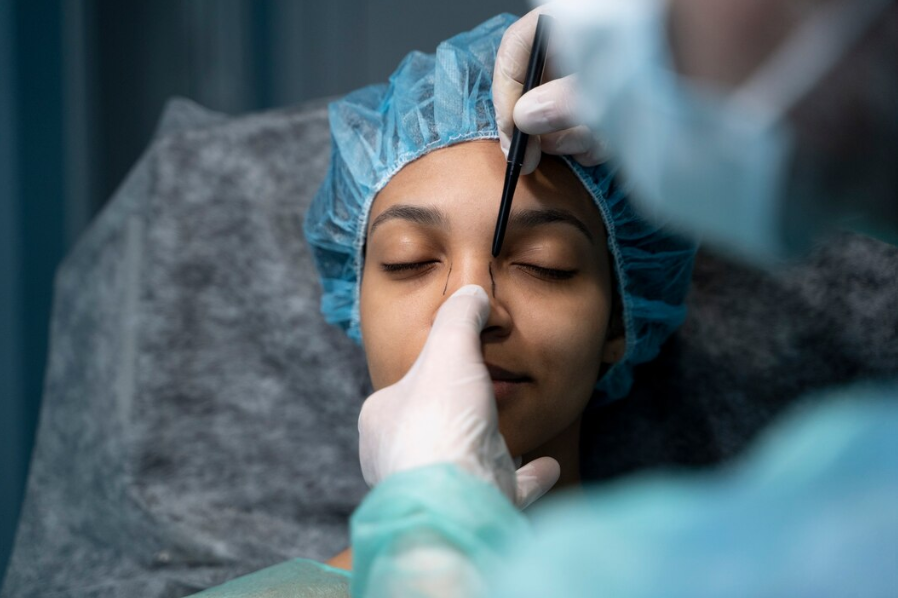
As you transition past the first fortnight, your splint and sutures will be removed, revealing the preliminary shape of your nose. However, the healing process continues beneath the surface for many months. Protecting your nose from physical trauma and environmental factors is essential during this delicate phase, especially after undergoing open rhinoplasty surgery in London, where the columellar scar is still maturing.
Sun Protection and Scar Management
The incision site on the columella requires careful attention. Once the stitches are removed and the wound has closed, apply a high-factor sunscreen (SPF 50) to the area whenever you go outside. Ultraviolet radiation can permanently darken healing scars, making them more visible. Wearing a wide-brimmed hat provides additional shade and safeguards the delicate skin from hyperpigmentation.
Activity Restrictions and Eyewear
Avoid contact sports and intense cardiovascular workouts for at least six weeks. Increased heart rate and blood pressure can cause delayed swelling. Additionally, do not rest heavy spectacles or sunglasses directly on the bridge of your nose for the first two months. If you must wear glasses, tape them to your forehead or use light contact lenses to prevent pressure from altering the soft, healing nasal bones.
Final Thoughts
Careful preparation is the cornerstone of a successful recovery. By understanding what to expect from ethnic rhinoplasty in London and arranging your home, work, and social life accordingly, you can undergo your procedure with confidence. While open rhinoplasty surgery in London requires a commitment to a structured healing timeline, the long-term rewards of a balanced, culturally respectful result are well worth the wait. Focus on resting, maintaining open communication with your surgical team, and allowing your body the necessary time to heal. Following these steps ensures your journey toward facial harmony is safe, comfortable, and ultimately satisfying.
