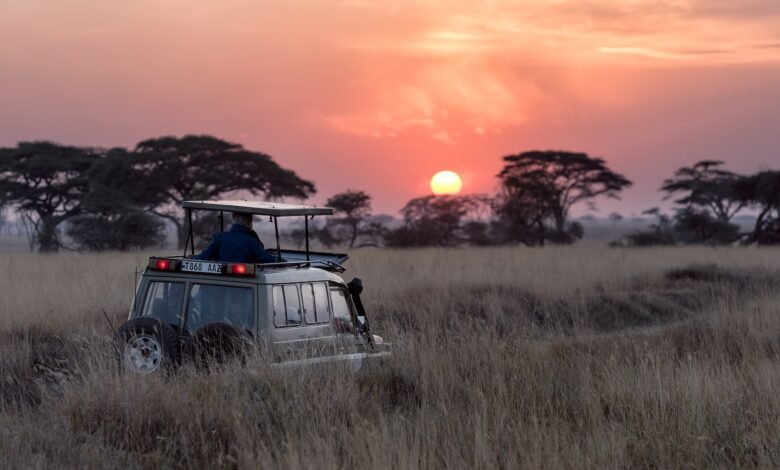
Travel habits have shifted noticeably over the past few years. Holidaymakers are spending less time on packed itineraries and more on experiences that feel personal, unhurried and tied to a sense of place. One style of trip that fits neatly into that change is the safari, which has moved from a once-in-a-lifetime bucket list item to a regular fixture in the plans of travellers who value space, nature and privacy.
Why Experience-Led Travel Is Growing
A growing number of travellers appear to favour spending on memorable experiences rather than things. That mindset has pushed interest towards trips built around wildlife, landscapes and local culture, where the main attraction is simply being somewhere remarkable. Safaris tick those boxes, because every day is different and no two sightings are the same. There’s a wellbeing element too, since days spent outdoors and away from screens appeal to people who feel permanently connected at home.
What a High-End Safari Looks Like
Safaris come in many forms, but the upper end of the market has a recognisable shape. A luxury safari typically involves small, thoughtfully designed camps with a limited number of guests, private guides and vehicles, and all-inclusive rates covering meals, drinks and game drives. Accommodation often leans towards spacious tents or suites with private decks, plunge pools or outdoor showers. The emphasis is on privacy and time: more hours in the field, fewer people sharing each sighting, and the flexibility to stay with an animal rather than moving on to keep to a schedule.
The Rise of Multigenerational Holidays
Another shift is the popularity of trips that bring several generations together. Grandparents, parents and children are increasingly travelling as one group, and safaris suit that format well, since there’s something for every age. Many luxury family safaris now offer child-friendly activities such as tracking lessons, bush walks suited to young guests and family units with connecting rooms. Private vehicles let groups set their own pace, which is a big advantage when you’re travelling with very different energy levels.
Sustainability and Conservation
Environmental awareness is shaping how people choose where to go. Many travellers now look for lodges that support local communities and wildlife protection, whether through conservation fees, anti-poaching work or employment for people living near reserves. Community-run conservancies in Kenya and Namibia, for example, share tourism income with residents who live alongside wildlife. Choosing accommodation that’s open about this kind of work has become part of the decision-making process for a lot of visitors.
The Role of Expert Guides
A guide can make or break a safari. Experienced guides read animal behaviour, track footprints and know where to position the vehicle for the best light, and many spend years training and qualifying through recognised programmes. Their storytelling adds depth, turning a sighting of a lion on a rock into a lesson in territory, pride dynamics and survival. It’s a big reason travellers rate guiding quality so highly when choosing a camp.
Where Interest Is Heading
Destinations across East and Southern Africa continue to attract strong interest, with Kenya, Tanzania, South Africa and Botswana among the best-known names. Interest is also building in less visited areas such as Zambia, Rwanda for gorilla trekking, and parts of Namibia, where desert landscapes add variety to a wildlife-focused itinerary. Travellers increasingly combine a safari with a beach stay, a city break or a wine region to round out a longer trip.
Choosing the Right Season
Seasons play a big role in what travellers see and spend. The dry season, roughly June to October across much of East and Southern Africa, brings the best wildlife viewing and the highest prices, while the green season offers lower rates, lush scenery and fewer crowds. Calving season in the southern Serengeti, usually between January and March, draws visitors keen to see newborn wildebeest and the predators that follow them. Travellers with flexible dates often find that the shoulder months strike a good balance.
Planning and Budgeting
Costs vary significantly depending on destination, season and level of service. Nightly rates at higher-end camps often include accommodation, meals, drinks and daily activities, which can make comparing prices more straightforward than it first appears. It’s worth checking what’s covered, such as park fees, transfers and flights between camps, because inclusions differ from one operator to the next. Many travellers build in extra days for rest, particularly after long-haul flights.
Practical Considerations
Safaris involve more planning than a typical beach holiday. Vaccinations and malaria precautions depend on the region, so it’s worth checking official health guidance well ahead of travel. Light aircraft transfers often come with strict baggage limits, which makes soft bags the practical choice. Booking early also helps, since the best camps have few rooms and peak season can fill up months in advance. Travel insurance that includes medical evacuation is worth considering for remote areas, and it’s wise to check passport validity and visa requirements well before departure.
Conclusion
Safari holidays sit comfortably alongside wider travel trends: a preference for experiences, a desire for space and an interest in responsible tourism. As more travellers look for trips that feel meaningful as well as relaxing, it’s easy to see why the safari keeps winning fans. For anyone weighing up a first trip, a little research into seasons, regions and camp styles goes a long way.