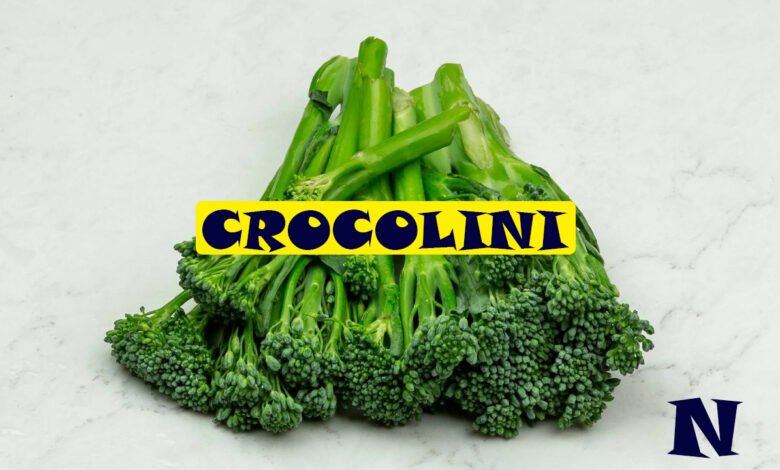
Crocolini is a term appearing increasingly in food-related searches, but its meaning can be confusing. In most culinary contexts, Crocolini is used informally for a slender green vegetable resembling broccolini, with long edible stems, small florets, and a mild taste. It is not a widely standardized botanical name. The established vegetable most closely matching these descriptions is broccolini, which is related to broccoli and Chinese broccoli.
This distinction is important because online sources do not always use Crocolini consistently. Some describe it as if it were a separate vegetable, while others use the word interchangeably with broccolini. For practical purposes, people searching for Crocolini recipes, nutrition, storage, or cooking advice are generally looking for information about this tender-stemmed green vegetable. This guide separates the useful facts from the confusion surrounding the name.
What Is Crocolini?
Crocolini is best understood as a food term rather than the formally established botanical name of a separate vegetable. Current online usage frequently associates the word with broccolini, a green vegetable recognizable by its narrow stems and small broccoli-like florets. Some websites present Crocolini as its own hybrid, but reliable documentation establishing it as a distinct botanical variety under that exact name is limited. For that reason, claims that Crocolini is a completely separate species or recognized cultivar should be treated carefully.
When Crocolini appears in a recipe or food article, the surrounding description usually makes the intended meaning clearer. References to long stems, florets, roasting, steaming, garlic, lemon, or stir-frying normally point toward broccolini or a similar tender-stem brassica. Broccolini itself is an established cultivated vegetable associated with broccoli and Chinese broccoli. It should not simply be described as ordinary broccoli harvested when young.
Why Is the Name Crocolini Confusing?
The main source of confusion is spelling. “Crocolini” sounds extremely similar to “broccolini,” and many recent websites use the two words interchangeably. Other sources have attempted to define Crocolini independently, creating conflicting explanations across search results. There is currently much stronger recognition for broccolini as a food name than for Crocolini as an established botanical term.
This is a useful reminder that frequently appearing online does not automatically make a term scientifically standardized. New spellings, typing mistakes, brand-like names, and repeated descriptions can spread rapidly across websites. Someone buying the vegetable should therefore look at the actual product rather than relying on the word alone. Long green stems topped by small florets generally indicate the vegetable commonly sold as broccolini or a comparable tender-stem broccoli product.
The Origin and Early History Behind Crocolini
A separate historical origin for a vegetable officially named Crocolini is not publicly confirmed. The more established history belongs to broccolini, the vegetable with which the term is commonly associated. Broccolini was developed through plant breeding involving conventional broccoli and Chinese broccoli, also known as gai lan. This heritage helps explain why the vegetable combines broccoli-like flower buds with thinner, longer stems.
The development of tender-stem brassicas reflects a practical breeding goal: producing vegetables that combine desirable characteristics from related plants. Instead of a large broccoli crown and substantial central stalk, broccolini produces smaller florets attached to relatively slim stems. These characteristics make most of the vegetable convenient to prepare and eat. Claims about a separate Crocolini breeding program, exact creator, launch date, or original location remain not publicly confirmed.
How Crocolini Looks
The vegetable generally described as Crocolini has a distinctive appearance. Rather than the broad, dense crown associated with standard broccoli, it consists of several long green stems ending in smaller groups of flower buds. Small green leaves may also grow along the stems. Nearly the whole vegetable can be used in cooking, although dry or particularly tough stem ends can be removed before preparation.
Fresh specimens should generally have firm stems and healthy-looking green florets. Yellowing flowers, very soft stems, extensive wilting, or an unpleasant smell can indicate that the vegetable is past its best. Its slim structure is more than an aesthetic difference. Thin stems cook relatively quickly, meaning the florets and stalks can often be prepared together rather than requiring extensive chopping or separate cooking times.
What Does Crocolini Taste Like?
Crocolini, when the name refers to broccolini, has a mild green-vegetable flavor. It is often considered slightly sweeter and less strongly cabbage-like than standard broccoli. The stems can retain a gentle crunch when cooked briefly, while the florets become tender. A slight earthy or peppery quality may also be noticeable, particularly when the vegetable is raw or lightly cooked.
Cooking method changes its flavor considerably. Steaming produces a fresh, delicate result, while roasting encourages browning and brings out deeper sweetness. Grilling introduces smoky notes, and sautéing allows ingredients such as garlic, chili, ginger, sesame oil, or lemon to contribute more strongly. Its relatively restrained taste is one reason it works in many different cuisines without dominating the other ingredients on the plate.
Crocolini vs. Broccolini
For everyday food searches, Crocolini and broccolini are often referring to the same or essentially the same type of vegetable. The crucial difference is terminology. Broccolini is the established food name, while Crocolini has much less standardized usage. It is therefore safer to search for broccolini when looking for established growing information, nutrition data, recipes, or products.
If a shop actually labels a vegetable “Crocolini,” examine the product information rather than assuming what the name means. A proprietary variety or regional product could potentially use similar terminology. Without additional information, however, descriptions of Crocolini as long-stemmed broccoli with small florets closely match broccolini. This article therefore uses established broccolini information where appropriate instead of inventing a separate history or nutritional profile for an unstandardized Crocolini variety.
Crocolini vs. Regular Broccoli
Regular broccoli is easy to identify by its substantial central stalk and large, tightly packed crown. Broccolini has multiple narrower stems and considerably smaller flowering heads. These structural differences affect preparation. Broccoli stalks sometimes require peeling or cutting into smaller pieces, whereas tender broccolini stems can generally be cooked and eaten with little preparation.
There is also a subtle difference in flavor. Standard broccoli tends to have a stronger traditional brassica taste, while broccolini is commonly described as milder and somewhat sweeter. Neither should automatically be called healthier than the other. Both belong to the cruciferous vegetable family and can contribute useful nutrients and plant compounds to a varied diet.
Nutritional Value of Crocolini
Because Crocolini does not have a clearly established identity as a separate botanical vegetable, a unique official nutritional profile for that exact name is not publicly confirmed. When the word refers to broccolini, however, it can reasonably be discussed as a nutrient-rich green cruciferous vegetable. Broccolini provides dietary fiber along with vitamins and minerals, while naturally containing relatively few calories.
Like related brassica vegetables, broccolini can contribute vitamin C, vitamin K, carotenoid-derived vitamin A activity and minerals to the diet. Exact quantities depend on the variety, serving size, growing conditions and cooking method. Rather than relying on one universal number attributed specifically to “Crocolini,” consumers who need precise nutrition information should check the package label for the particular product they purchase.
Potential Health Benefits
The strongest nutritional reason for eating Crocolini or broccolini is straightforward: it is a vegetable that can help increase the amount and variety of plant foods in a person’s diet. Fiber contributes to normal digestive function, while vitamins and minerals support numerous processes throughout the body. Cruciferous vegetables also contain naturally occurring phytochemicals that continue to be studied by nutrition researchers.
It is better to view these qualities as part of an overall eating pattern rather than treating Crocolini as a miracle food. No single vegetable can prevent disease or compensate for an otherwise poor diet. A varied diet containing vegetables, fruits, whole grains, suitable protein sources and other nutrient-rich foods remains more important than focusing heavily on one ingredient.
How to Choose Fresh Crocolini
When shopping for the vegetable, look for fresh green stems that appear firm rather than limp. The florets should generally be compact and healthy-looking, without extensive yellowing or deterioration. Leaves attached to the stems can also provide clues about freshness. Bright, unwilted leaves are preferable to severely dry or damaged ones.
Size does not necessarily determine quality. More useful signs include firmness, color, smell, and the overall condition of the bunch. Avoid vegetables with extensive sliminess, strong unpleasant odors, or obvious decay. If Crocolini is being used as a store-specific name, reading the package can also help determine whether the product is broccolini, tender-stem broccoli, or another related brassica.
How to Prepare Crocolini
Preparation is one of the easiest parts of using this vegetable. Rinse it thoroughly under clean running water and inspect the florets and leaves for dirt. Remove damaged leaves and cut away any dry or noticeably tough portion from the bottom of the stems. The remaining stems normally do not need to be discarded.
If some stalks are much thicker than others, splitting the thick ones lengthwise can encourage more even cooking. Keeping preparation simple also reduces waste because the stems, florets, and tender leaves are edible. Once cleaned, Crocolini can be steamed, sautéed, roasted, grilled, blanched, or incorporated directly into cooked dishes.
Best Ways to Cook Crocolini
Sautéing is particularly convenient because the slender stems cook rapidly. Heat a modest amount of cooking oil in a pan, add the cleaned vegetable, and cook until the stems are tender while retaining some texture. Garlic can be added for extra flavor, while lemon juice works well as a fresh finishing ingredient.
Steaming offers another simple approach and preserves the vegetable’s clean, fresh character. Roasting creates a different result, with lightly browned florets and deeper flavors. Crocolini also works in stir-fries because its narrow stems are suitable for quick, high-heat cooking. Whichever method you choose, excessive cooking can leave the vegetable unnecessarily soft.
Roasting Crocolini
Roasting is useful when you want a richer flavor and slightly crisp edges. After washing the vegetable, dry it thoroughly so excess water does not interfere with browning. Toss it lightly with oil and suitable seasoning, spread the stems without overcrowding them, and roast until they become tender and develop browned areas.
Garlic, black pepper, lemon zest, chili flakes, grated hard cheese, or toasted seeds can complement roasted Crocolini. The exact cooking time depends on stem thickness and oven temperature, so visual appearance and texture are better guides than assuming every bunch will cook identically. Check it early because narrow florets can brown quickly.
Steaming and Blanching Crocolini
Steaming is useful when a softer texture is desired without adding much fat during cooking. Place the cleaned stems over simmering water and cook briefly until they become tender enough for your preference. They can then be seasoned with lemon, pepper, herbs, or a small amount of olive oil.
Blanching involves briefly cooking the vegetable in boiling water and then cooling it rapidly. This technique can be helpful before using it in certain salads, stir-fries, or other dishes where additional cooking will follow. Avoid leaving it in boiling water for too long, because the slender structure generally requires less cooking than thick pieces of conventional broccoli.
Using Crocolini in Everyday Meals
Crocolini can work as much more than a standalone vegetable side. Chopped stems and florets can be incorporated into pasta, noodles, grain bowls, soups, omelets, frittatas, salads, and stir-fries. Its mild taste pairs naturally with ingredients such as garlic, lemon, ginger, chili, sesame, nuts, seeds, beans, cheese, fish, poultry, tofu, and lentils.
For a quick meal, sauté it and combine it with pasta, olive oil, garlic, and lemon. For a grain bowl, roasted stems can be served alongside rice or another grain, beans, and a dressing. It also makes an uncomplicated side for protein-rich dishes. The main advantage is flexibility rather than the need for specialized recipes.
How to Store Crocolini
Fresh Crocolini or broccolini should be refrigerated and protected from excessive moisture loss. Keeping it in an appropriate produce bag or container can help maintain its condition. Washing immediately before cooking rather than leaving the vegetable wet in storage can also help reduce unnecessary moisture around the florets.
Use freshness cues rather than relying exclusively on a fixed number of days. Firm green stems and fresh-looking florets indicate better quality, whereas severe wilting, slime, decay, or unpleasant odors suggest deterioration. For longer preservation, broccolini can be blanched, cooled, drained thoroughly, and frozen. Frozen vegetables will generally become softer after thawing and cooking.
Can You Eat Crocolini Raw?
Broccolini can be eaten raw, so Crocolini can also be consumed raw when that is the vegetable the term describes. Raw stems provide a firmer and crunchier texture than cooked ones, while the flavor can seem slightly more pronounced. Thinly sliced pieces can work in salads or crunchy vegetable dishes.
Some people prefer lightly blanching or steaming it because heat softens the stems and changes the flavor. People who find raw cruciferous vegetables difficult to digest may also find cooked versions more comfortable. As with other fresh produce, proper washing, clean preparation surfaces, and appropriate refrigeration are important food-safety practices.
Can Crocolini Be Frozen?
Yes, broccolini and similar tender-stem vegetables can be frozen for later cooking. Blanching before freezing is commonly used to help preserve quality. After blanching, cool the vegetable promptly, drain and dry it thoroughly, and transfer it to a freezer-safe container or bag.
Frozen Crocolini is particularly convenient for dishes where perfectly crisp texture is unnecessary. Soups, casseroles, pasta sauces, noodles, and stir-fries can all make good use of it. Freezing will change the texture, so previously frozen stems are unlikely to have exactly the same crisp bite as freshly purchased ones.
Growing Crocolini
Anyone interested specifically in growing “Crocolini” should first identify the actual seed variety being sold. Because Crocolini is not clearly established as a standardized cultivar name, purchasing seeds solely on that term could cause confusion. Broccolini and related tender-stem brassicas are better-established search terms for gardening information and seed selection.
Growing requirements vary by cultivar and local climate, but brassicas generally perform best when their temperature, soil, water, light, spacing, and pest-management requirements are properly matched. Gardeners should follow the instructions supplied with their chosen seed variety. Claims about a unique Crocolini growing cycle, yield, plant height, or harvesting schedule are not publicly confirmed without identification of a specific cultivar.
Crocolini in Modern Cooking
Tender-stem vegetables fit modern cooking particularly well because they require relatively little preparation. Instead of removing a large central stalk and breaking down a substantial broccoli head, cooks can often wash, trim, season, and cook an entire bunch. The narrow stems also look attractive when served whole.
That visual quality makes broccolini common in restaurant-style presentations, but there is nothing complicated about using it at home. Simple preparations often work best. A lightly roasted bunch finished with lemon, for example, can accompany an everyday meal without requiring an elaborate sauce. Its flexibility across Mediterranean-inspired, East Asian, and Western-style dishes further broadens its usefulness.
Interesting Facts About Crocolini
The most interesting fact about Crocolini is the uncertainty surrounding the word itself. Despite numerous recent web pages discussing it as a vegetable, the name lacks the clear botanical standardization that established terms such as broccoli and broccolini possess. Some current sources explicitly identify Crocolini as an informal variation or mistaken spelling of broccolini.
Another common misunderstanding involves “baby broccoli.” Broccolini is sometimes marketed using that phrase, but it should not simply be understood as ordinary broccoli picked at an immature stage. Its distinctive form comes from its breeding background. The edible leaves are also worth remembering: they do not need to be automatically discarded along with the stems.
Why Crocolini Has Attracted Online Attention
Unusual terms naturally create search interest because people want to understand what they mean. Crocolini is a good example. Someone seeing the name in an article or social post may reasonably wonder whether it is a new vegetable, a particular broccoli variety, or simply another spelling of broccolini.
Recent search results show that numerous websites now discuss the term, although their definitions are not completely consistent. That inconsistency makes careful sourcing especially important. Until stronger botanical or commercial documentation establishes Crocolini as a specific standardized product, the safest explanation is that its dominant food-related usage is closely associated with broccolini and similar tender-stem greens.
Conclusion
Crocolini is a useful example of how an unfamiliar food term can spread online before its definition becomes standardized. In current food-related usage, the word most often points toward broccolini or a similar long-stemmed green vegetable. Broccolini has tender edible stems, small florets and leaves, and a generally mild flavor that works with many cooking methods.
Rather than presenting Crocolini as a scientifically established new vegetable without evidence, it is more accurate to acknowledge the naming uncertainty. For shoppers and home cooks, the practical lesson is simple: check the label and appearance. If Crocolini refers to broccolini, it can be steamed, roasted, sautéed, grilled, or added to numerous everyday dishes.
Frequently Asked Questions
1. What is Crocolini?
Crocolini is an emerging or informal food term commonly associated online with broccolini, the slender green vegetable with long edible stems and small florets. Crocolini itself is not a widely standardized botanical name. Because different websites use the term differently, the context and product label should be checked before assuming it refers to a distinct variety. In most recipe and cooking contexts, descriptions of Crocolini closely match established descriptions of broccolini.
2. Is Crocolini the same as broccolini?
In many current online food references, Crocolini is used as an alternative or mistaken spelling of broccolini. Broccolini is the more established name and is associated with broccoli and Chinese broccoli. There is insufficient reliable evidence to treat every use of “Crocolini” as the official name of a separate vegetable. If a retailer sells something specifically under that name, read its product information because a seller could potentially be referring to a particular cultivar or branded product.
3. What does Crocolini taste like?
When Crocolini refers to broccolini, expect a mild, fresh flavor with gentle sweetness and some of the earthy character associated with cruciferous vegetables. It is generally less robust in flavor than conventional broccoli. Cooking affects the result considerably: steaming keeps the taste delicate, roasting creates sweeter browned notes, and grilling adds smokiness. Garlic, lemon, chili, ginger, sesame, olive oil, herbs, nuts, and cheese can all complement its relatively mild flavor.
4. Can you eat all parts of Crocolini?
If Crocolini is being used to mean broccolini, its stems, florets, and tender leaves are edible. Usually, only damaged material and the dry or particularly tough ends of the stems need to be removed. This makes the vegetable convenient because very little preparation is required. Wash it thoroughly, trim where necessary, and cook the remaining portions together. Particularly thick stems can be split lengthwise so that they finish cooking at approximately the same time as thinner stems and delicate florets.
5. Is Crocolini healthy?
When the term describes broccolini, it refers to a nutrient-rich cruciferous vegetable that can contribute fiber, vitamins, minerals, and naturally occurring plant compounds to a balanced diet. However, a unique nutritional profile specifically for a standardized vegetable called Crocolini is not publicly confirmed. It is therefore more accurate to use established broccolini nutrition information when appropriate rather than inventing separate figures. Like other vegetables, it is most beneficial as one component of a varied and balanced eating pattern.
See more amazing Information visit Novira Magazine