


The pursuit of youthful vitality has shifted from obvious alteration to subtle refinement. Anyone seeking a facelift in London will notice that modern procedures prioritise natural-looking results over the tight, wind-tunnel appearance of previous decades. This shift reflects a broader global movement within aesthetic surgery towards customisation and anatomical preservation. Instead of simply pulling the skin tight, contemporary surgeons address the underlying structural changes that occur as we age. This article examines how these sophisticated techniques have revolutionised facial rejuvenation, offering patients safer procedures, shorter recovery times, and results that harmonise with their natural features.
The Shift from Skin Tightening to Deep-Plane Rejuvenation
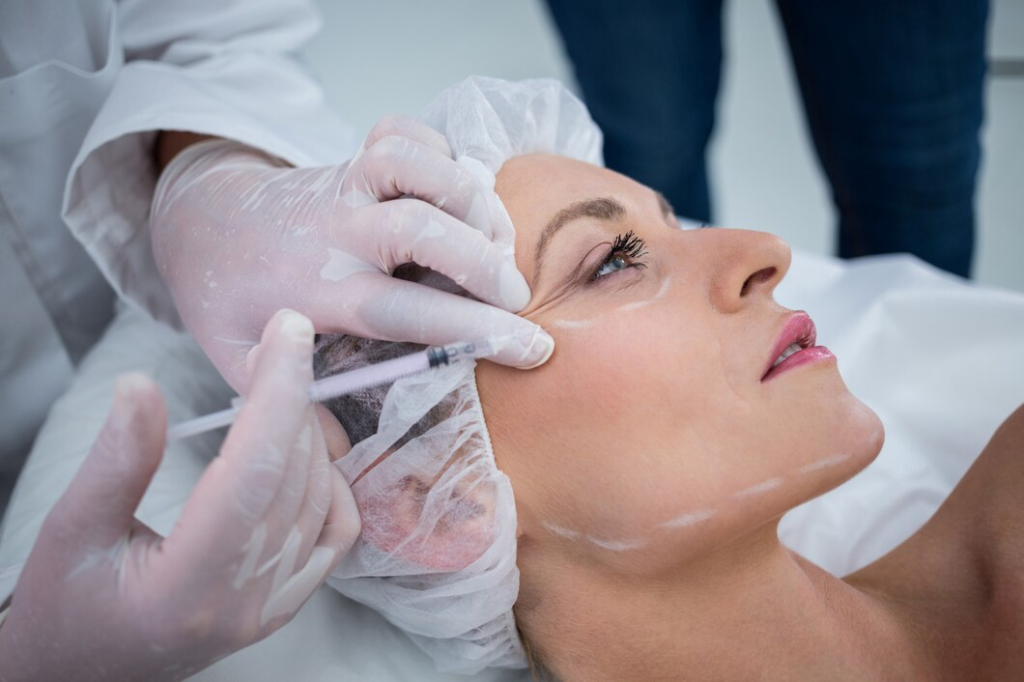
Historically, early cosmetic procedures focused almost exclusively on the skin. Surgeons pulled the outer layer tight and trimmed the excess, which often resulted in an unnatural, swept-back appearance. Modern aesthetic surgery has moved away from this superficial tension. Today, the gold standard is the deep-plane facelift. This technique targets the deeper muscle and tissue layers, specifically the Superficial Musculoaponeurotic System (SMAS) and the retaining ligaments.
By releasing these deep ligaments, surgeons can lift the entire midface, jawline, and neck as a single, cohesive unit. Because the tension is placed on these sturdy, deep structures rather than the delicate skin, the final result looks remarkably natural. Patients do not look like they have had work done; rather, they look like a refreshed version of themselves from a decade prior. Furthermore, this approach preserves the natural blood supply to the skin, which accelerates the healing process and minimises visible scarring. This anatomical precision ensures that the results are not only more natural but also significantly more durable than those achieved through older, skin-only methods. The incisions are carefully hidden along the natural contours of the ear and into the hairline, making them virtually invisible once fully healed. This meticulous attention to detail ensures that the structural integrity of the face is restored without leaving obvious tell-tale signs of intervention.
Minimally Invasive Innovations and Short-Scar Techniques
While the deep-plane technique offers comprehensive rejuvenation, not every patient requires extensive structural repositioning. For younger individuals or those with early signs of jowling, minimally invasive options have become highly popular. The MACS lift (Minimal Access Cranial Suspension) represents a major milestone in this category. This procedure uses shorter incisions, typically restricted to the front of the ear, and employs permanent sutures to loop and suspend the sagging tissues.
Choosing a facelift in London now means having access to these refined, short-scar techniques that can often be performed under local anaesthetic or twilight sedation. This reduces the risks associated with general anaesthesia and allows patients to return home the same day. Recovery times are drastically shortened, with most individuals returning to their social calendars within ten to fourteen days. These modern variations ensure that patients do not have to undergo major, invasive surgery to achieve significant improvement in the lower face and jawline. By tailoring the invasiveness of the procedure to the specific anatomical needs of the patient, surgeons can deliver highly targeted corrections with minimal disruption to daily life. This customisation is particularly beneficial for professionals who cannot afford lengthy periods of downtime but still desire a sharp, defined jawline and a youthful neck contour.
Combining Modalities for a Holistic Outcome
Modern facial rejuvenation is rarely a one-dimensional procedure. Aging involves not just gravity-induced sagging, but also a loss of volume and changes in skin texture. Consequently, the most successful outcomes in modern aesthetic surgery combine surgical lifting with volume restoration and skin resurfacing. Surgeons frequently perform autologous fat transfer during the lifting procedure. This involves harvesting fat from another part of the patient’s body, purifying it, and micro-injecting it into areas that have lost volume, such as the temples, cheeks, and under-eye hollows.
In addition to fat grafting, non-surgical treatments like chemical peels or laser resurfacing are often integrated into the treatment plan. While a surgical lift corrects structural laxity, it cannot fix sun damage, fine lines, or uneven skin tone. By addressing these superficial concerns at the same time, patients achieve a comprehensive glow that surgery alone cannot provide. This multi-layered approach ensures that the restored facial structure is matched by healthy, radiant skin. It transforms the procedure from a simple pull-and-tuck into a comprehensive facial restoration that looks completely natural from every angle. This synergy of surgical and non-surgical therapies represents the pinnacle of contemporary clinical practice, ensuring that the overall aesthetic is balanced, harmonious, and highly personalised to the individual’s unique aging pattern.
The Role of Advanced Technology and Pre-Operative Planning
The evolution of surgical techniques is heavily supported by advancements in pre-operative planning technology. Today, patients preparing for a facelift in London benefit from sophisticated 3D imaging systems. These tools allow surgeons to create a highly accurate digital model of the patient’s face and simulate the potential outcomes of different surgical approaches. This visual aid helps align the patient’s expectations with realistic clinical possibilities, fostering open communication and reducing pre-surgery anxiety.
Furthermore, high-definition endoscopes are now routinely used in brow lifts and midface lifts. These tiny cameras allow surgeons to work through microscopic incisions with extreme precision, avoiding major nerves and blood vessels. This level of accuracy minimises tissue trauma, which translates directly to less post-operative swelling and bruising. By combining advanced visualisation tools with refined surgical skill, modern practices offer a level of predictability and safety that was simply unattainable in the past. Patients can step into the operating theatre with absolute confidence, knowing that their bespoke surgical plan is backed by rigorous scientific preparation and state-of-the-art technology. This technological integration has redefined the patient journey, transforming it from a process of hopeful anticipation into a highly structured, predictable, and reassuring clinical experience.
Conclusion
Facial rejuvenation has evolved from simple skin tightening into a highly sophisticated, multi-layered art form. Modern techniques focus on deep structural restoration, volume replenishment, and minimal invasiveness, ensuring that patients receive natural-looking and long-lasting results. Whether opting for a comprehensive deep-plane lift or a targeted short-scar procedure, patients now enjoy safer surgeries and significantly faster recoveries. By choosing a qualified surgeon who understands these advanced methods, individuals can achieve a refreshed, youthful appearance that preserves their unique facial identity. The era of the over-pulled, obvious facelift is firmly in the past, replaced by a modern philosophy that celebrates subtlety, precision, and individualised care.
