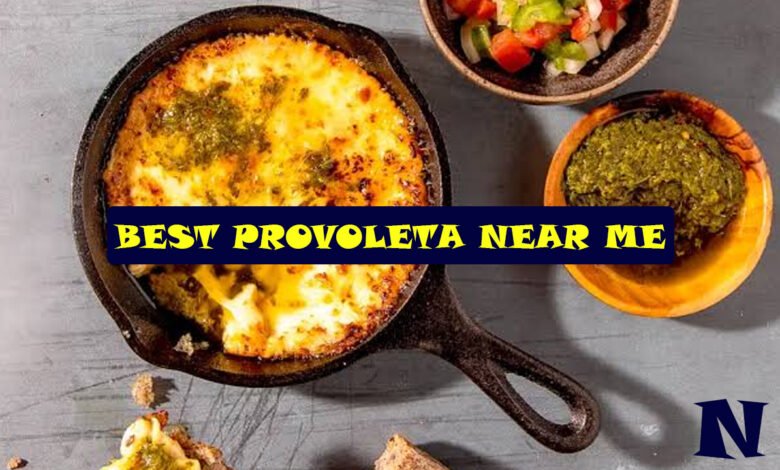
Searching for the best Provoleta near me usually means you want more than ordinary melted cheese. Authentic provoleta is an Argentine grilled-cheese dish with a browned, slightly crisp outside and a warm, soft center. It is traditionally served as an appetizer during an Argentine asado, often with oregano, olive oil, chimichurri, and crusty bread.
The best place to start your search is an Argentine steakhouse, parrilla, or South American restaurant that prepares food over a grill. Because recipes and menus vary by restaurant, checking the current menu before visiting is important. Understanding what authentic provoleta should look and taste like can also help you choose a restaurant that prepares the dish properly.
Traditional provoleta is based on an Argentine version of provolone designed to withstand grilling. The cheese is generally firm and low in moisture, helping it develop color on the outside without immediately losing its shape.
What Is Provoleta?
Provoleta is a classic Argentine cheese preparation closely associated with the country’s asado tradition. A thick piece of firm provolone-style cheese is exposed to high heat until the exterior becomes browned while the middle turns warm and soft. It can be cooked directly over a grill or in a small iron or cast-iron pan. The result combines the salty flavor of aged cheese with the smoky character that comes from grilling.
Unlike ordinary slices of provolone melted on a sandwich, provoleta is intended to stand on its own as a dish. It is usually brought to the table hot and shared before grilled meats arrive. Oregano is one of its traditional seasonings, while olive oil, chili flakes, chimichurri, and bread may accompany it. The exact preparation varies between restaurants, so two versions can taste noticeably different while still following the same basic Argentine tradition.
The History and Origin of Provoleta
Provoleta reflects the influence of Italian immigration on Argentine food culture. Historical accounts associate its development with Natalio Alba, an Italian immigrant from Calabria who adapted Italian cheese traditions to Argentina’s passion for asado. The cheese was developed during the 1940s as something suitable for cooking alongside foods prepared on the Argentine grill.
The concept combined a provolone-style cheese with the Argentine parrilla. According to historical summaries, the product entered Argentina’s food code in 1955 under the name Queso Provolone Hilado Argentino. Its firm structure and stretched-curd production helped make it suitable for grilling. Over time, provoleta became closely connected with the opening stage of an asado and developed an identity distinct from the Italian cheeses that inspired it.
How Provoleta Became Part of Argentine Food Culture
An Argentine asado is about more than placing meat over heat. It is a social meal built around the grill, and provoleta commonly appears near the beginning of that experience. Its relatively quick cooking time makes it suitable as an appetizer while larger items continue cooking. Traditionally, people share the hot cheese with bread before moving on to the other courses of the meal.
This role helps explain why provoleta remains strongly associated with Argentine steakhouses and parrillas. The dish brings together two major culinary influences: Italian cheesemaking and Argentine grilling. Today, restaurants may add their own toppings or presentation, but the central idea remains simple. Firm cheese meets intense heat, creating a browned exterior and a soft center that should be eaten while it is still hot.
How to Find the Best Provoleta Near Me
When searching for the Best Provoleta Near Me, begin with Argentine restaurants rather than general cheese-focused restaurants. Search terms such as “Argentine steakhouse,” “Argentine parrilla,” “provoleta restaurant,” and “Argentinian grilled cheese” can uncover places that may not rank for the exact word “provoleta.” Restaurant menus are especially useful because a place can serve Argentine food without offering this particular appetizer every day.
Look at recent menu information and customer photographs rather than relying only on an overall restaurant rating. A useful photo should show a thick serving of cheese with visible browning rather than a thin layer of completely liquid cheese. Reviews mentioning provoleta specifically can be more useful than general comments about steaks, service, or atmosphere. Calling the restaurant is sensible when the online menu is old or unclear.
What Makes a Good Provoleta?
Texture is one of the most important qualities. A properly prepared version should have enough structure on the outside to contrast with the softer center. Traditional descriptions emphasize a golden or crisp exterior with a soft interior. The cheese itself needs to be firm enough to tolerate strong heat without instantly turning into a shapeless pool.
Flavor matters just as much. Provoleta naturally has a rich, salty cheese flavor, while grilling can introduce toasted and smoky notes. Oregano is traditional, and some preparations include dried chili flakes. Chimichurri may add acidity, garlic, herbs, and freshness that balance the richness of the cheese. A good restaurant should allow the cheese to remain the main attraction instead of covering it with excessive toppings.
Provoleta vs. Regular Provolone
Provoleta and standard Italian provolone are related, but the terms should not automatically be treated as identical. Provoleta refers to an Argentine provolone-style cheese as well as the grilled preparation associated with it. Traditional Argentine provoleta was specifically developed with grilling in mind, giving it properties that help it maintain its form under heat.
Outside South America, authentic Argentine provoleta cheese can be harder to obtain. Some restaurants and home recipes therefore use firm or aged provolone as an alternative. That can produce a similar grilled-cheese experience, although the exact texture and flavor may differ. If authenticity matters to you, ask whether the restaurant uses Argentine provoleta, Argentine-style provolone, or another type of provolone before ordering.
How Provoleta Is Traditionally Cooked
Traditional preparation begins with a thick piece of firm cheese. It may be cooked directly over the parrilla or placed in an iron, ceramic, or cast-iron vessel. The goal is to apply enough heat to brown the exterior while warming and softening the inside. Olive oil or other techniques may be used to reduce sticking, depending on the cooking surface.
Timing is important because melted cheese changes quickly. Once ready, provoleta is normally served immediately rather than being left to sit. As the cheese cools, it begins to firm again and loses some of the soft texture that makes freshly cooked provoleta appealing. This is one reason the dish may arrive at the table still bubbling in its cooking pan.
Common Provoleta Toppings and Sides
Traditional provoleta does not need a long ingredient list. Oregano is among its most recognizable seasonings, and olive oil is also commonly used. Dried chili flakes can provide additional heat. Chimichurri is another popular accompaniment, bringing herbs and acidity to a dish that is naturally rich. Crusty or grilled bread provides an easy way to share and eat the melted cheese.
Restaurants sometimes move beyond the basic preparation. Variations can include peppers, vegetables, olives, basil, or other ingredients. Stuffed versions can contain additional fillings as well. These variations are not necessarily a sign of poor quality, but diners seeking the traditional experience may prefer a simpler version where the grilled cheese, oregano, and smoky character remain prominent.
What to Check Before Choosing a Restaurant
A little research can make your Best Provoleta Near Me search much easier. First, check whether provoleta appears on the restaurant’s current menu. Next, examine recent customer photos to see the portion, cooking style, and presentation. Reviews that mention the dish by name can provide useful clues about its texture and whether it arrives properly hot.
Also consider the restaurant’s overall specialization. An Argentine steakhouse or parrilla is more likely to understand how provoleta fits into a traditional asado. However, never assume that every Argentine restaurant serves it. Menus change, ingredients can become unavailable, and seasonal dishes may disappear temporarily. Confirming availability directly with the restaurant can prevent an unnecessary trip.
What Does Provoleta Taste Like?
The exact taste depends on the cheese, its age, seasonings, and cooking method. In general, expect a savory, salty and cheese-forward flavor. The high heat creates browned areas that provide deeper toasted notes, while the center remains softer. Grilling over charcoal or a traditional parrilla can introduce additional smoky character.
Oregano gives the dish a familiar herbal aroma without overpowering the cheese. Chili flakes can provide gentle heat, while chimichurri creates a brighter contrast. Bread is useful because it balances the intensity of the cheese and makes the dish easier to share. Anyone who enjoys aged cheese and grilled flavors is likely to understand why provoleta became such a recognizable asado appetizer.
Is Provoleta Vegetarian?
A basic serving of provoleta consists primarily of cheese and seasonings, but diners should not automatically assume that every restaurant’s version meets their dietary requirements. Cheese production can involve different enzymes or rennet, while restaurant variations may include meat toppings or be cooked alongside meat products. Cross-contact can also matter to some diners.
If you follow a vegetarian diet, ask the restaurant about the specific cheese and toppings it uses. People with dairy allergies should be particularly cautious because cheese is the central ingredient. Provoleta contains milk, and individual restaurant recipes can contain additional allergens. Only the restaurant can reliably confirm the ingredients and preparation practices for the serving it offers.
How to Order Provoleta at an Argentine Restaurant
Look for the appetizer, starter, entradas, or parrilla section of the menu. The dish may simply be listed as “Provoleta,” although some restaurants use descriptions such as grilled provolone or Argentine grilled cheese. If several versions are available, the traditional preparation is usually the easiest choice for someone trying it for the first time.
Ask how the restaurant prepares it if the menu description is unclear. You can also ask whether it comes with bread or chimichurri and whether extra toppings are included. Since provoleta is rich, sharing one serving can make sense when it is part of a larger Argentine meal that includes grilled meats, vegetables, empanadas, or other starters.
Provoleta Beyond the Restaurant
You do not necessarily need a restaurant to experience the basic idea behind provoleta. Home versions can be prepared using a grill, cast-iron pan, or, in some recipes, a broiler. The most important factor is choosing a firm cheese that can brown before completely melting. Aged provolone is commonly suggested when authentic Argentine provoleta is unavailable.
Still, a traditional Argentine restaurant can provide a different experience because provoleta is closely connected with parrilla cooking and the wider asado meal. Eating it fresh from a grill alongside other Argentine dishes gives more context to what would otherwise appear to be a very simple plate of melted cheese.
Interesting Facts About Provoleta
Provoleta is both a cheese-related term and the name commonly used for the prepared grilled dish. Its history is tied to Italian immigration, yet it developed into a distinctly Argentine food tradition. The stretched-curd cheese was designed to cope with grilling, which helps explain its characteristic exterior and soft center.
Another interesting feature is its place in the sequence of an asado. Provoleta is commonly served before the main grilled meats rather than as a cheese course at the end. Its simple preparation also leaves plenty of room for variation. Different restaurants may change the seasonings, cooking vessel, toppings, accompaniments, or degree of browning while keeping grilled cheese at the center of the dish.
Conclusion
Finding the Best Provoleta Near Me starts with knowing what makes the dish special. Authentic provoleta is closely tied to Argentine asado culture and is built around firm provolone-style cheese cooked at high heat until browned outside and soft inside. Oregano, olive oil, bread, chili, and chimichurri may complete the experience, but the quality and preparation of the cheese remain central.
When choosing where to eat it, focus on Argentine steakhouses and parrillas, check recent menus and food photographs, and look for reviews that discuss provoleta specifically. Since restaurant menus change, confirm availability when necessary. Once served, eat it while it is hot—the contrast between the grilled exterior and warm center is a defining part of the traditional provoleta experience.
FAQs About the Best Provoleta Near Me
Where can I find the Best Provoleta Near Me?
Start with Argentine steakhouses, parrillas, and South American restaurants in your area. Check current menus for “provoleta,” “grilled provolone,” or similar descriptions. Recent food photographs and reviews mentioning the dish specifically can help you narrow the choices. Because menus and ingredient availability change, contact the restaurant before traveling if provoleta is the main reason for your visit.
What is authentic provoleta made from?
Traditional Argentine provoleta uses a firm, stretched-curd provolone-style cheese developed for grilling. It is commonly seasoned with oregano and may include olive oil or chili flakes. Bread and chimichurri are popular accompaniments. Restaurant versions can differ considerably, so ask about the ingredients when you want a traditional preparation or have dietary restrictions.
Is provoleta the same as mozzarella?
No. Provoleta is associated with an Argentine version of provolone, while mozzarella is a different cheese with its own flavor, moisture level, and texture. Provoleta is intended to develop a browned exterior while becoming soft inside during grilling. Substituting mozzarella would create a substantially different result.
Is provoleta spicy?
Traditional provoleta does not have to be strongly spicy. Oregano is a common seasoning, while some versions include dried chili flakes or spicy accompaniments. The level of heat therefore depends on the restaurant and recipe. If you avoid spicy food, ask about the seasonings and sauces before ordering.
What should I eat with provoleta?
Crusty or grilled bread is one of the most common accompaniments, and chimichurri can provide a fresh, acidic contrast to the rich cheese. In an Argentine-style meal, provoleta is typically enjoyed as an appetizer before grilled meats. It can also be shared as a starter with other small dishes.
See more amazing Information visit Novira Magazine