Air France A350 Chicago Flight Return: What Happened, Why It Turned Back, and Passenger Impact

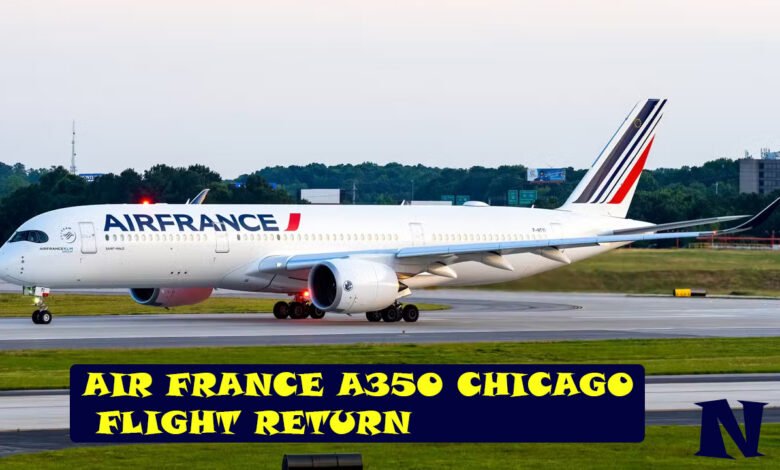
The Air France A350 Chicago flight return has attracted attention from travelers and aviation followers who want to understand why a long-haul passenger aircraft would turn back before reaching its destination. The incident raises questions about flight safety, operational decisions, passenger disruption, and how airlines handle unexpected changes during international journeys.
An Airbus A350 operated by Air France is designed for long-distance travel, including transatlantic routes between Europe and North America. However, even modern aircraft may need to return to an airport because of technical concerns, weather, medical emergencies, or operational restrictions. The exact date, flight number, cause, and outcome of the specific Chicago-related return are not publicly confirmed in the information established here. This article explains what is known, what remains unverified, and how such situations are handled.
The table separates general information about the airline and aircraft from details that would require a verified incident report. Chicago O’Hare is a major international airport, but its connection to a particular return flight does not establish where that aircraft departed, landed, or experienced a problem.
What Happened During the Air France A350 Chicago Flight Return?
The phrase “air france a350 chicago flight return” suggests that an Air France Airbus A350 operating a Chicago-related service returned instead of completing its planned journey. However, the phrase alone does not identify a specific flight or establish that an emergency occurred. A reliable account would need a date, flight number, aircraft registration, or official airline statement to confirm the event.
When a commercial flight returns, the crew normally evaluates the situation and coordinates with air traffic control. The aircraft may land at its departure airport or another suitable location. Returning does not automatically mean the aircraft was in immediate danger. It can also reflect a precautionary decision made before a developing problem becomes more serious.
Understanding the Air France A350 Aircraft


7
The Airbus A350-900 is a modern twin-engine aircraft developed for long-distance international routes. It uses advanced materials, efficient engines, and aerodynamic improvements intended to reduce fuel consumption compared with older-generation aircraft. Airlines use the A350 for flights requiring long range, substantial passenger capacity, and reliable performance across different operating conditions.
Air France operates the A350-900 as part of its long-haul fleet. The aircraft includes modern flight-management systems and multiple layers of technical monitoring. These systems help crews identify unusual conditions, evaluate aircraft status, and follow established procedures when a flight cannot continue as originally planned.
Why Would an Air France A350 Return During a Chicago Flight?
Several circumstances can cause a long-haul aircraft to return. Technical indications, passenger medical emergencies, weather changes, and operational restrictions are among the possibilities. Each situation requires a different response, and the final decision depends on the information available to the pilots and airline operations team.
For the specific Air France A350 Chicago flight return, no individual cause has been verified here. It would therefore be misleading to describe an engine failure, cabin-pressure problem, medical emergency, or mechanical defect as the confirmed explanation. These are general reasons that commercial flights sometimes return, not established facts about this incident.
Technical Problems and Precautionary Returns
Commercial aircraft have systems that continuously monitor engines, electrical equipment, hydraulic components, and other important functions. If a system detects an unusual condition, pilots receive an indication and use approved checklists to assess it. Depending on the circumstances, they may continue to the destination, divert to another airport, or return to the departure point.
A precautionary return can happen even when the aircraft remains fully controllable. Airlines often prefer an airport with suitable maintenance facilities and operational support. This helps technicians investigate the issue before the aircraft operates another passenger service. No particular technical fault has been confirmed for the Chicago-related flight discussed here.
How Pilots Decide Whether to Return
Pilots consider aircraft condition, fuel remaining, weather, airport facilities, and the distance to suitable landing locations. They also communicate with air traffic control and may consult airline operational specialists. Their priority is to select a safe and practical course of action based on the actual situation rather than simply completing the planned route.
The decision may also depend on where the aircraft is located when the problem appears. A flight near its departure airport may return, while an aircraft farther across the Atlantic may choose another suitable airport. The flight crew follows established procedures and makes the final operational decision.
The Role of Air Traffic Control
Air traffic controllers help aircraft safely change routes, descend, and approach airports when their original flight plans change. If pilots request priority handling or declare an emergency, controllers can coordinate the aircraft’s movement with other traffic and airport services. This reduces congestion and allows the flight crew to concentrate on operating the aircraft.
Not every return involves an emergency declaration. Some flights return under normal air traffic procedures, while others require additional assistance. Without verified communications or an official report, it is not possible to say whether the Air France A350 Chicago flight return involved an emergency declaration or priority landing arrangements.
Confirmed Details of Air France Flight AF136
Contemporary aviation reporting identifies the incident as Air France flight AF136 on June 28, 2025. The Airbus A350-900, registered F-HUVR, departed Paris-Charles de Gaulle Airport for Chicago O’Hare International Airport at approximately 12:49 p.m. local time. It climbed to around 38,000 feet and followed a transatlantic route over the United Kingdom.
At approximately 4:30 p.m. Central European Summer Time, the aircraft reversed course over the North Atlantic between Iceland and Greenland. It subsequently landed safely back in Paris after approximately six hours and 37 minutes in the air.
AIRLIVE
+1
Why Did AF136 Actually Return to Paris?
Reporting published shortly after the incident linked the return to an operational authorization problem. Aviation outlet AIRLIVE reported that a passenger had been told the flight lacked authorization to land in Chicago. Air France reportedly described the decision more generally as being made for operational reasons.
The distinction is important. The passenger account supports the possibility of a landing-clearance problem, but the precise administrative failure has not been publicly confirmed. There is no verified basis here for naming a particular government agency, missed deadline, or paperwork error as the definitive cause.
AIRLIVE
+1
Air France A350 Chicago Flight Return Timeline
| Date and time (Paris local) | Reported event |
|---|---|
| June 28, 2025, 12:49 p.m. | AF136 departed Paris for Chicago |
| Shortly after departure | Aircraft climbed toward 38,000 feet |
| Around 4:30 p.m. | Aircraft turned around over the North Atlantic |
| Around 7:26 p.m. | Aircraft landed back in Paris |
| June 29, 2025 | Replacement flight AF4080 was arranged |
The timeline shows why the incident attracted attention. AF136 was already well into its transatlantic journey when it turned around. Rather than landing at a nearby airport, it returned to the original departure airport. The reported total flight time was approximately six hours and 37 minutes.
AIRLIVE
What Happened to Passengers After the Return?
Passengers expecting to arrive in Chicago instead found themselves back in Paris after spending several hours aboard the aircraft. Such a disruption can affect hotel bookings, connecting flights, business meetings, and family plans. Travelers may also face uncertainty while waiting for revised departure arrangements and information from the airline.
According to contemporary reporting, Air France arranged overnight accommodation for affected passengers and rebooked them on flight AF4080, scheduled for June 29, 2025. The reports do not establish the individual circumstances of every passenger or confirm whether all travelers accepted the same arrangements.
AIRLIVE
+1
Was the Air France A350 Chicago Flight Return an Emergency?
The reported circumstances do not establish that AF136 experienced an onboard emergency. Available accounts point toward an operational problem rather than a confirmed engine failure, cabin-pressure issue, fire, or other serious aircraft malfunction. The aircraft returned to Paris and landed safely.
It is important not to confuse an unexpected flight return with an emergency landing. Airlines sometimes change flight plans because an operational requirement cannot be satisfied, even when the aircraft is functioning normally. No emergency declaration has been verified in the sources reviewed for this incident.
Meridian Media Post
Why Did the Aircraft Return to Paris Instead of Landing Elsewhere?
Paris-Charles de Gaulle was the flight’s departure airport and a major operating base for Air France. Returning there would provide access to airline personnel, passenger assistance, and facilities for arranging another departure. These factors can make an airline’s home base a practical choice when an international service encounters an operational problem.
However, the precise reasoning behind AF136’s airport selection has not been publicly confirmed. Other airports may have been geographically closer at different points in the journey, but geographical distance is not the only consideration. Airport authorization, operational support, and passenger arrangements can all influence the final decision.
Passenger Rights After an International Flight Return
Flights departing from European Union airports generally fall within the scope of EU Regulation 261/2004, which establishes passenger rights in certain cases of cancellations, long delays, and denied boarding. Depending on the circumstances, affected passengers may qualify for assistance, rerouting, refunds, or financial compensation.
Compensation is not automatic. Eligibility depends on the disruption’s legal classification, its cause, and other circumstances. Passengers affected by AF136 would need to examine their individual booking records and the airline’s explanation. The European Union’s official air passenger rights guidance provides further information.
How Air France Handles Unexpected Flight Disruptions
Airlines operating international networks must coordinate aircraft, flight crews, airport services, and passenger reservations. When a scheduled service cannot reach its destination, the airline must consider how to accommodate passengers and restore travel arrangements. Depending on the circumstances, this may involve replacement aircraft, revised flight schedules, overnight accommodation, or alternative connections.
In the AF136 incident, the reported response included accommodation and rebooking for the following day. This illustrates how an operational disruption can continue affecting travelers after the aircraft has landed safely. The practical challenge is not only returning the aircraft but also helping passengers complete their journeys.
Interesting Facts About the Air France A350 Chicago Flight Return
The incident stands out because the aircraft had already crossed a significant part of the North Atlantic before reversing direction. The flight lasted more than six hours without reaching its intended destination, making it an unusual experience for passengers traveling between France and the United States.
Another notable detail is the aircraft registration, F-HUVR, which identifies the particular Airbus A350-900 used on the flight. The return also highlights an often-overlooked aspect of aviation: a technically capable aircraft may still be unable to complete a journey because of operational requirements unrelated to its mechanical condition.
What the Incident Teaches Travelers
The Air France A350 Chicago flight return demonstrates that international travel depends on more than aircraft performance and weather conditions. Airlines must also meet operational and administrative requirements, and problems involving these arrangements can sometimes affect flights that are already airborne.
For travelers, the incident highlights the value of keeping booking confirmations, airline notifications, and receipts when journeys are disrupted. Passengers should request a clear explanation, confirm their replacement arrangements, and review applicable passenger rights. These steps can make unexpected changes easier to manage and help preserve documentation for any later claim.
Conclusion
The Air France A350 Chicago flight return occurred on June 28, 2025, when flight AF136 turned back to Paris during a scheduled journey to Chicago. The Airbus A350-900, registered F-HUVR, reversed course over the North Atlantic and landed safely at Paris-Charles de Gaulle after approximately six hours and 37 minutes.
Air France reportedly attributed the return to operational reasons, while passenger-based reporting suggested a landing-authorization issue. The exact administrative cause remains not publicly confirmed. The incident is a reminder that international flights depend on coordinated airline operations as well as aircraft safety, and unexpected disruptions can occur even on established routes.
Frequently Asked Questions
1. What was the Air France A350 Chicago flight return?
It was an incident involving Air France flight AF136 on June 28, 2025. The Airbus A350-900 departed Paris-Charles de Gaulle Airport for Chicago O’Hare International Airport but turned around over the North Atlantic. Instead of continuing to Chicago, the aircraft returned to Paris and landed safely after approximately six hours and 37 minutes.
2. Why did Air France flight AF136 turn around?
Air France reportedly attributed the decision to operational reasons. Contemporary aviation reporting also described a possible problem involving authorization to land in Chicago. However, the precise administrative issue has not been publicly confirmed. There is no verified evidence in the available reporting that a serious mechanical failure caused the return.
3. Which aircraft was involved in the Chicago flight return?
The aircraft was an Air France Airbus A350-900 registered F-HUVR. The A350-900 is a long-range, twin-engine passenger aircraft designed for international routes. It is part of Air France’s long-haul fleet and is used for transatlantic travel. Its involvement in this incident does not establish that the aircraft type had a safety defect.
4. Did the Air France A350 land safely after returning?
Yes. Flight AF136 returned safely to Paris-Charles de Gaulle Airport on June 28, 2025. Contemporary reporting states that it landed on runway 27R after approximately six hours and 37 minutes of flight time. No confirmed serious onboard technical emergency was identified as the reason for the return in the reporting reviewed.
5. What happened to passengers on the Air France Chicago flight?
Air France reportedly arranged overnight accommodation and rebooked affected passengers on another Chicago-bound service. Aviation reporting identified the replacement as flight AF4080 on June 29, 2025. The return delayed passengers’ travel plans, but individual compensation outcomes and the circumstances of every traveler have not been publicly confirmed. Travelers affected by similar disruptions can review their rights under applicable European passenger protection rules.
See more amazing Information visit Novira Magazine