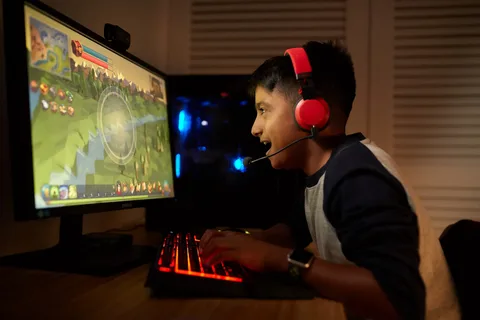
Imagine playing a game with someone who lives on the other side of the world. You can talk, share ideas, work as a team, and even become friends without meeting in person. This is one of the biggest changes online gaming has brought to our lives.
In the past, most people played video games alone or with friends sitting nearby. Today, online games let people connect with others from different cities and countries. Gaming is no longer just about winning. It is also about teamwork, communication, and building friendships.
In this article, we will explore how online gaming has changed social life, how players build relationships, and how to enjoy these connections safely.
1. Online Gaming Makes It Easy to Meet New People
One of the biggest benefits of online gaming is that it helps people meet others with similar interests.
You do not need to live in the same city or speak to someone face-to-face to enjoy a game together. All you need is a supported device, an internet connection, and a game that allows online play.
For example, a player in Pakistan can join a match with someone from the UK, Canada, or Australia. They can work together, share tips, and enjoy the same experience.
Making Friends Through Shared Interests
Many friendships start when people discover that they enjoy the same things. Online games create this chance naturally.
Players may meet through racing games, sports games, puzzles, or team-based adventures. After playing together several times, they may begin to recognise each other and talk about other interests.
These friendships can become meaningful, even when players live far apart. However, it is important to remember that not everyone online is who they claim to be.
2. Team Games Teach Communication Skills
Have you ever played a team game where one small mistake changed the result? In these games, clear communication can make a big difference.
Players often need to share information, explain plans, and warn teammates about danger. Good communication helps everyone understand what to do.
Learning to Work as a Team
Games such as team shooters, sports games, and multiplayer adventures often require players to work towards one goal.
For example, one player may defend an area while another collects items or helps teammates. Each person has a role, and the team works better when everyone understands their job.
These activities give players a chance to practise:
- Giving clear instructions
- Listening to other people
- Sharing useful information
- Solving problems together
- Respecting different ideas
These skills can also be useful at school, at work, and during group activities. Still, being good at teamwork in a game does not always mean someone will use the same skills well in every real-life situation.
3. Gaming Helps People Stay Connected Across Long Distances
Staying in touch with friends can be difficult when people move to different cities or countries. Online gaming offers another way to spend time together.
Instead of only sending messages, friends can join the same game, complete missions, and share exciting moments.
Spending Time Together Online
Imagine two friends who used to play football together after school. One moves to another city, but both still enjoy football video games. They can play online, talk during matches, and keep their friendship active.
This shared activity can make long-distance friendships feel more connected.
Online gaming can also help family members spend time together when they cannot meet in person. A parent, sibling, or cousin may join a game and enjoy a friendly match.
Of course, gaming is only one way to stay connected. Phone calls, messages, and face-to-face meetings are also important.
4. Gaming Communities Bring People Together
Online gaming is not limited to individual matches. Many games have large communities where players discuss strategies, share videos, and celebrate achievements.
These communities can exist on gaming forums, chat platforms, streaming services, and social media.
Joining Clubs and Groups
Some games allow players to join guilds, clans, teams, or groups. Members may take part in regular matches, help beginners, and work towards shared goals.
Being part of a group can give players a sense of belonging. It can also help them learn from people with more experience.
Sharing Skills and Ideas
Players often create guides, record gameplay, and explain how to complete difficult levels. Others can ask questions and learn from these resources.
For example, a beginner may struggle with a racing game. By joining a community, they can learn about steering, braking, and choosing the right vehicle.
This sharing of knowledge makes gaming a social learning experience as well as a form of entertainment.
5. Free Games Make Social Gaming More Accessible
Not everyone can afford expensive games or gaming equipment. Fortunately, many online games offer free entry options, allowing more people to join their friends.
A Free Game Download can help beginners explore different types of games without paying an upfront price.
However, free games may include advertisements, optional purchases, or paid features. It is wise to check these details before installing a game.
Here are a few simple tips for getting started:
- Choose a game that works on your device.
- Check whether your friends play the same game.
- Read reviews and age ratings.
- Download games from official stores or trusted websites.
- Check whether the game requires an internet connection.
- Review privacy settings before joining online matches.
You can explore gaming content through NEWGAMESZONE, while making sure that any game you download comes from a safe and legitimate source.
Free gaming can make it easier for people to connect, but always check the game’s costs and rules before playing.
6. Online Gaming Also Has Social Challenges
Although online gaming can help people build friendships, it also has some risks. Understanding these problems can help players enjoy games in a healthier way.
Cyberbullying and Toxic Behaviour
Some players use rude words, insults, or threats during matches. This behaviour can make gaming stressful and unpleasant.
If someone treats you badly, you can mute, block, or report them using the game’s available tools. You do not need to stay in a conversation that makes you uncomfortable.
Protecting Personal Information
Not everyone online has good intentions. Some people may try to collect personal details or trick others into sharing private information.
To stay safe:
- Do not share your home address or passwords.
- Avoid sharing private photos with strangers.
- Use strong passwords for gaming accounts.
- Be careful when clicking unknown links.
- Tell a trusted adult if someone makes you feel unsafe.
Young players should use suitable privacy settings and talk to a trusted adult about uncomfortable online experiences.
Keeping a Healthy Balance
Spending too much time gaming can reduce time for sleep, exercise, studies, and real-world friendships.
Set a reasonable gaming schedule and take regular breaks. Make time for outdoor activities and conversations with family and friends, too.
A healthy balance helps you enjoy gaming without allowing it to control your daily routine.
7. The Future of Social Gaming
Online gaming continues to change as technology improves. Voice chat, live events, cross-platform play, and virtual worlds give players new ways to interact.
Cross-platform gaming is especially useful because it allows people using different supported devices to play together. For example, some games let console and PC players join the same match.
Virtual reality may also create more ways for people to interact inside digital spaces. However, the experience depends on the game, equipment, and internet connection.
In the future, gaming communities may become even more connected. But respectful communication, privacy, and healthy habits will remain important.
Conclusion
Online gaming has changed the way people socialize by making it easier to meet new people, build friendships, and stay connected across long distances. It also gives players opportunities to practise teamwork, communication, and problem-solving.
At the same time, online friendships need care, and players should protect their personal information and avoid harmful behaviour.
The best approach is simple: choose games you enjoy, treat other players with respect, and balance screen time with real-world activities. When used wisely, online gaming can be a fun way to connect with people and share memorable experiences.