Best Caldereta de Cordero Near Me: A Guide to Finding Authentic Spanish Lamb Stew

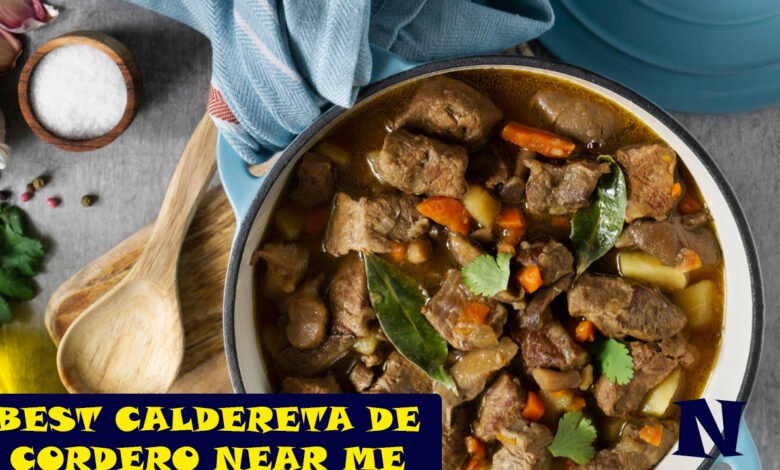
Searching for the Best Caldereta de Cordero Near Me usually means you want more than an ordinary lamb dish. Caldereta de cordero is a traditional Spanish lamb stew known for tender meat, a deeply flavored sauce, aromatic herbs, vegetables, wine, and paprika. Different regions and cooks have their own versions, so ingredients and preparation can vary.
Finding authentic caldereta de cordero locally may require looking beyond standard lamb dishes. Spanish restaurants, traditional Iberian kitchens, regional food events, and restaurants offering slow-cooked lamb are sensible places to start. Spain’s official tourism website identifies caldereta de cordero with Extremadura and provides a traditional preparation using lamb, onion, pepper, garlic, bread, paprika, wine, thyme, and oregano.
What Is Caldereta de Cordero?
Caldereta de cordero is a rustic stew built around pieces of lamb cooked until tender in a flavorful liquid. Traditional recipes commonly combine the meat with garlic, onion, peppers, wine, paprika and herbs. The exact combination changes according to the region and recipe. Spain’s official tourism information, for example, presents an Extremaduran version containing merino lamb, lamb liver, onions, red pepper, garlic, bread, paprika, wine, thyme and oregano.
The name also points toward the dish’s rustic cooking tradition. Caldereta dishes were historically associated with cooking in large pots or cauldrons, and lamb versions have strong links with rural Spanish food culture. Today, the dish can be prepared in an ordinary casserole or cooking pot while preserving its characteristic slow-cooked approach. Its appeal comes largely from the contrast between tender lamb and a concentrated, savory sauce.
The History Behind Caldereta de Cordero
Caldereta de cordero has strong connections with traditional Spanish rural cooking. Sources describing the dish frequently associate it with shepherds and simple outdoor cooking. Versions are particularly connected with regions such as Extremadura and Castilla. Rather than being a highly formal restaurant creation, caldereta developed as practical cooking based on lamb and ingredients that could produce a substantial meal.
There is no reliably documented single inventor or exact birth date for the recipe. It is better understood as part of a wider culinary tradition that developed over generations. Regional and family variations naturally appeared over time. This explains why two restaurants may both serve authentic caldereta de cordero while using somewhat different vegetables, herbs, wines or cooking techniques.
Why Caldereta de Cordero Is Closely Connected With Spanish Rural Cuisine
Lamb has long suited rustic stew preparation because tougher or bone-in pieces can become tender during extended cooking. Caldereta takes advantage of this characteristic by cooking lamb with strongly flavored supporting ingredients. Traditional preparations can include onion, garlic, peppers, wine and aromatic herbs, producing a sauce that develops as the meat cooks.
The dish’s association with shepherd cooking also helps explain its straightforward character. A traditional caldereta does not depend on elaborate presentation or complicated modern techniques. The focus is the meat, sauce and patient cooking. Some historical-style versions were prepared outdoors over a fire, while modern cooks can make the same type of stew using conventional gas, electric or induction cooking equipment.
Best Caldereta de Cordero Near Me: What to Look For
When searching for the Best Caldereta de Cordero Near Me, start by checking Spanish restaurants rather than searching for every restaurant that serves lamb. Look at current menus for “caldereta de cordero,” “cordero guisado,” Spanish lamb stew or regional lamb dishes. Because caldereta is traditional rather than universally available, some restaurants may serve it only as a seasonal or rotating special.
Pay attention to how the dish is described. A recognizable traditional preparation should emphasize slow-cooked lamb rather than grilled or roasted meat. Onion, garlic, peppers, paprika, wine and herbs are common signals, although no single ingredient list applies to every authentic version. The official Extremadura recipe uses wine, paprika, thyme and oregano, while other published Spanish versions include ingredients such as potatoes, carrots, bay leaf and parsley.
How to Find Authentic Caldereta de Cordero Locally
A useful local search should combine the Spanish dish name with broader descriptions. Search for “caldereta de cordero,” “Spanish lamb stew,” “traditional Spanish lamb dishes,” and “cordero guisado.” Restaurant menus do not always use exactly the same terminology, particularly outside Spain. Checking menu photographs and recent customer information can therefore reveal options that a simple keyword search misses.
Calling the restaurant can also save time when the menu is unclear. Ask whether caldereta is currently available and whether it needs to be ordered in advance. Traditional slow-cooked dishes are sometimes offered as specials rather than permanent menu items. Do not assume that a restaurant serving lamb automatically prepares caldereta, because grilled chops, roast lamb and lamb stew are very different dishes.
What Authentic Caldereta de Cordero Should Taste Like
A good caldereta should put lamb at the center of the experience. The meat should be tender after stewing, while the sauce should carry the flavors produced by the meat, vegetables, herbs and cooking liquid. Paprika can contribute warmth and depth, while garlic and onion provide the savory base. Wine is also found in traditional recipes and helps build the character of the sauce.
The final flavor can differ substantially between recipes. Some versions are gently spicy, while others are mild. Different recipes use white or red wine, and some incorporate additional vegetables. This variation is normal rather than evidence that one version is automatically incorrect. Traditional Spanish cooking often changes according to region, household and locally available ingredients.
Ingredients Commonly Found in Caldereta de Cordero
Lamb is naturally the defining ingredient. Traditional recipes generally use lamb cut into manageable pieces before cooking. Onion and garlic commonly form part of the aromatic base, while peppers and paprika contribute sweetness, color and additional flavor. Wine, stock or water provides the moisture needed to slowly cook the meat.
Herbs such as thyme, oregano and bay leaf appear in published versions. Potatoes and carrots may be included in some preparations, although they are not universal requirements. Spain’s Extremaduran recipe also uses bread and lamb liver as part of the preparation, demonstrating how traditional caldereta can be considerably different from a generic modern lamb-and-potato stew.
How Caldereta de Cordero Is Traditionally Prepared
Preparation usually begins by cutting and seasoning the lamb before browning or sautéing it. Browning develops flavor on the surface of the meat and creates a foundation for the stew. Aromatic vegetables are then cooked, followed by seasonings, wine and enough stock or water to allow the lamb to stew.
Cooking continues until the lamb becomes tender and the liquid develops into a sauce. Spain’s official Extremaduran recipe calls for slow cooking after the prepared ingredients and liquid have been combined. Another traditional recipe published by Spain’s tourism authority for Castilla y León similarly uses lamb, liver, onions, pepper, bread, garlic, paprika, wine, herbs and stock.
Regional Variations You May Encounter
There is no need to reject a restaurant simply because its caldereta differs from another version you have eaten. Caldereta appears across different areas of Spain, and regional variations are part of the dish’s identity. Extremaduran preparations are particularly well documented, while versions associated with Castilla and La Mancha are also widely described.
Some recipes emphasize peppers and aromatic herbs. Others incorporate potatoes, tomato or additional vegetables. The type of wine can change as well. These differences mean authenticity is better judged by the overall cooking tradition—lamb stewed patiently with a flavorful base—rather than demanding one rigid ingredient list.
Caldereta de Cordero vs. Ordinary Lamb Stew
Caldereta de cordero can be translated broadly as a lamb stew, but simply putting lamb into liquid does not necessarily reproduce its Spanish character. Paprika, wine, garlic and Mediterranean herbs frequently give caldereta a recognizable flavor profile. Its connection with Spanish regional and pastoral cooking is equally important.
An ordinary lamb stew might use ingredients associated with British, Irish, Middle Eastern, South Asian or other culinary traditions. Those dishes can be excellent, but they should not automatically be described as caldereta. If you specifically want the Spanish dish, checking the ingredients and restaurant’s culinary style is more reliable than ordering any menu item labeled “lamb stew.”
How to Judge a Good Restaurant Version
Start with the lamb. Slow cooking should make it tender without reducing every piece to dry strands. The sauce should taste integrated rather than like separate ingredients added at the last minute. There should also be enough sauce to complement the meat without turning the dish into a thin soup.
A restaurant version does not have to look elegant to be good. Caldereta is fundamentally rustic food. Traditional serving can be simple, and Spain’s official Extremaduran recipe specifically suggests presenting it in an earthenware casserole. What matters more is careful cooking, tender lamb and a sauce with enough depth to support the meat.
What to Eat With Caldereta de Cordero
Bread is an obvious partner because caldereta normally produces a rich sauce. A simple piece of crusty bread allows you to enjoy that sauce without distracting from the lamb. Potatoes are another natural accompaniment and are incorporated directly into some versions of the recipe.
Because the stew itself is substantial, complicated side dishes are usually unnecessary. Simple vegetables or a light salad can balance a heavy serving. If you are ordering at a restaurant, ask how the caldereta is served before adding several sides. A portion containing lamb, vegetables, potatoes and sauce may already be a complete main meal.
Is Caldereta de Cordero Spicy?
Caldereta de cordero is not automatically very hot. Paprika is common, but recipes may use sweet or hot paprika according to preference. Spain’s official Extremadura recipe explicitly allows either hot or sweet paprika, showing that the heat level can legitimately vary.
Other versions may add chili or another source of heat. If you dislike spicy food, ask the restaurant before ordering instead of assuming from the dish’s appearance. Likewise, people who enjoy strong heat should not expect every caldereta to be spicy. Its defining characteristics are the lamb and slow-cooked Spanish-style sauce rather than a particular level of chili heat.
Why Slow Cooking Matters
Lamb stew benefits from enough cooking time for the meat to tenderize and for the flavors in the pot to combine. Caldereta relies on this process. Rushing it can leave the meat firm and the sauce underdeveloped. This is one reason the dish has remained closely associated with patient, traditional cooking.
Published recipes differ in their precise timing because lamb cuts, portion sizes and methods vary. Some modern versions can be completed relatively quickly, while others involve considerably longer preparation. The useful standard for diners is therefore texture rather than a fixed number of minutes: the lamb should be tender and the sauce should taste cohesive.
Can You Make Caldereta de Cordero at Home?
Caldereta is very suitable for home cooking because it does not require specialized restaurant equipment. A heavy casserole, Dutch oven or similar pot can handle the entire process. Traditional recipes that were once associated with open-fire cooking can be adapted to ordinary kitchen equipment.
The basic approach is manageable: brown the lamb, prepare the aromatic ingredients, add seasonings and liquid, and stew until tender. Following an established Spanish recipe is preferable when making it for the first time. The official Spanish tourism recipe is especially useful for understanding an Extremaduran interpretation rather than turning the dish into a generic lamb stew.
Interesting Facts About Caldereta de Cordero
Caldereta is not limited to one fixed Spanish recipe. The term is associated with several traditional stews, and lamb versions have developed regional identities. The Extremaduran preparation is among the best-known, but versions connected with Castilla and La Mancha are also part of the broader culinary landscape.
Traditional recipes can contain ingredients modern diners may not expect. Lamb liver, bread, wine and a herb mixture, for example, appear in Spain’s official Extremaduran recipe. The dish also reflects a practical style of cooking in which inexpensive, straightforward ingredients could be transformed through careful preparation and slow cooking.
Tips for Searching “Best Caldereta de Cordero Near Me”
Location-based results can change frequently, so current restaurant menus and availability matter more than old recommendations. Search the exact dish name first, then broaden your search to Spanish restaurants and Spanish lamb stew. Check recent menus rather than relying entirely on older customer photographs or reviews.
Before making a special journey, confirm directly that the restaurant currently serves the dish. Availability can be seasonal, and a restaurant may change its menu without immediately updating every online listing. If no local restaurant offers authentic caldereta, making it at home from a reliable Spanish recipe is a practical alternative.
Conclusion
Searching for the Best Caldereta de Cordero Near Me is ultimately about finding a well-prepared example of one of Spain’s traditional lamb dishes. Authentic versions center on tender lamb cooked with a flavorful combination of aromatics, seasonings and liquid. Paprika, garlic, onion, wine and herbs frequently appear, although regional differences mean the exact recipe is not fixed.
Check Spanish restaurant menus, confirm current availability and look for a slow-cooked preparation rather than assuming every lamb stew is caldereta. When a local version is unavailable, the dish is also practical to prepare at home using a reliable traditional recipe. Whether served simply with bread or accompanied by potatoes, caldereta de cordero remains a hearty example of Spain’s rustic cooking tradition.
Frequently Asked Questions
What is caldereta de cordero?
Caldereta de cordero is a traditional Spanish lamb stew. Lamb is slowly cooked with a savory mixture that can include onion, garlic, peppers, paprika, wine, stock and aromatic herbs. Recipes vary by region, so there is no single ingredient list used everywhere. The dish is particularly associated with rustic Spanish cooking and regions such as Extremadura.
How can I find the Best Caldereta de Cordero Near Me?
Search current restaurant listings and menus using “caldereta de cordero,” “Spanish lamb stew,” “cordero guisado,” and similar terms. Give priority to Spanish restaurants or kitchens specializing in regional Spanish food. Always check current menu availability before traveling, because caldereta may be a seasonal dish or occasional special rather than a permanent menu item.
What meat is used in caldereta de cordero?
Cordero means lamb in Spanish, so lamb is the defining meat in caldereta de cordero. Recipes generally use lamb cut into pieces suitable for stewing. The precise cut varies between preparations. Slow cooking helps the meat become tender while contributing flavor to the sauce.
Is caldereta de cordero served with potatoes?
It can be, but potatoes are not mandatory in every traditional version. Some recipes incorporate potatoes into the dish or serve them alongside it, while other established versions focus primarily on lamb, aromatics, wine, herbs and sauce. This is one of the many differences you can encounter between regional and household recipes.
What makes caldereta de cordero different from regular lamb stew?
Its Spanish culinary identity is the main difference. Traditional caldereta commonly combines lamb with ingredients such as garlic, onion, peppers, paprika, wine and Mediterranean herbs. It is also linked historically with Spanish rural and pastoral cooking. Other lamb stews may use completely different spices, vegetables and cooking traditions, even when the basic technique of slowly cooking lamb in liquid is similar.
See more amazing Information visit Novira Magazine